

Semantic Search for Local Businesses in AI Engines
Learn how semantic search and intent matching help small US businesses show up in ChatGPT, Perplexity, Claude, and Gemini. Practical steps to match conversational queries.
Updated July 20, 2026 · 12 min read
Table of Contents
TL;DR: Semantic search in 2026 AI engines like ChatGPT, Perplexity, and Claude focuses on meaning and user intent rather than exact keywords. These tools pull from real-time sources and favor clear, structured content with strong authority signals. Local businesses win by matching natural questions about services, hours, and specifics with schema and direct answers. The result is better visibility when customers ask conversational queries instead of short phrases.
Small business owners notice fewer people typing short keywords into search bars. They type full questions into ChatGPT or Perplexity instead. A query like best local electrician near me becomes how do I find an electrician who fixes wiring issues fast and shows up on weekends. AI engines answer by understanding the full meaning and pulling relevant sources.
This shift changes what it takes to appear. Traditional keyword stuffing falls flat. Engines now compare content to the entire intent behind a question. They reward pages that speak plainly about services, match common follow-ups, and carry clear signals of trust.
Local businesses that adapt see their details surface in synthesized answers. Those that stay stuck on old SEO tactics stay invisible. The fix starts with understanding how these engines actually choose and cite sources today.
How AI Engines Read Intent Today
ChatGPT often relies on training data plus occasional browsing and favors high-authority sources like Wikipedia or established sites for quick answers. Perplexity performs live searches on nearly every query and always includes three to five inline citations from fresh sources. Claude pulls from Brave Search and prefers structured, helpful content with clear sections and bullet points.
These differences matter for local businesses. A customer asking about emergency electrical repair in winter gets an answer drawn from pages that explain response times, service areas, and real customer scenarios. Vague keyword pages get skipped.
Intent matching works by turning the query into a vector of meaning. Engines look for pages that cover related concepts like availability, pricing ranges, and common problems. They connect your content to the full context instead of isolated words.

AI engines interpret queries differently based on their unique retrieval methods.
Conversational Queries Change the Game
Users no longer hunt with three-word phrases. They describe the full situation: I need a local painter who works with insurance claims and can start this week. AI engines handle these long, natural questions by breaking them into components and retrieving matching details.
Local businesses gain an edge when content mirrors this style. A service page that lists typical jobs, turnaround times, and what customers usually ask next performs better. It supplies the exact pieces the engine needs to build a useful response.
Perplexity especially rewards fresh, definitive statements in answer-first paragraphs. Claude favors depth shown through organized lists. Both reward content that anticipates the next question in a conversation.
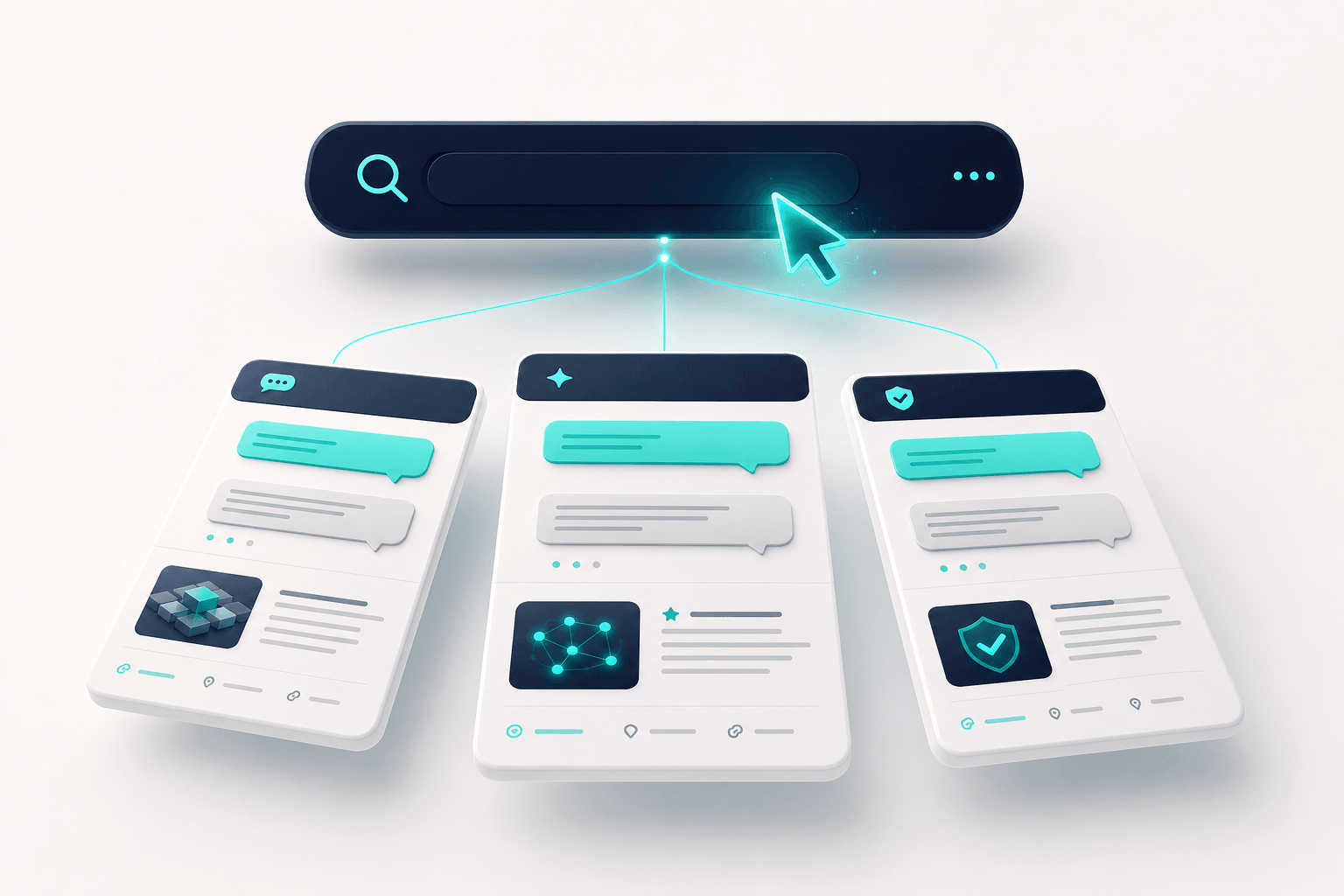
Conversational queries are broken into semantic components for precise retrieval.
Citation Patterns Across Major Engines
Recent analyses show clear preferences. ChatGPT cites Wikipedia at high rates and pulls branded domains more often than older systems. Perplexity leans on Reddit and official documentation while requiring real-time freshness. Claude selects technical depth and structured pages at higher rates than competitors.
For a local business, this means maintaining consistent details across your site and third-party profiles. Engines cross-check names, addresses, and offerings. Clear Organization schema and LocalBusiness markup help them recognize your entity quickly.
Pages with FAQ sections and direct answers to common questions get pulled more readily. Studies from 2026 confirm that bullet-pointed, scannable content increases citation likelihood on Claude and similar tools.
Schema That Supports Semantic Matching
FAQPage schema turns your most common customer questions into machine-readable pairs. Article schema signals expertise on service pages. LocalBusiness schema adds address, hours, and geo details that AI engines use for location-aware answers.
Stacking compatible schemas on key pages helps without overcomplicating the site. The goal is clarity for parsers that feed the generative models. Google notes that standard structured data still aids rich results even as generative features evolve.
Keep the markup accurate and up to date. Wrong hours or missing service areas break the trust signals engines rely on when deciding what to cite.
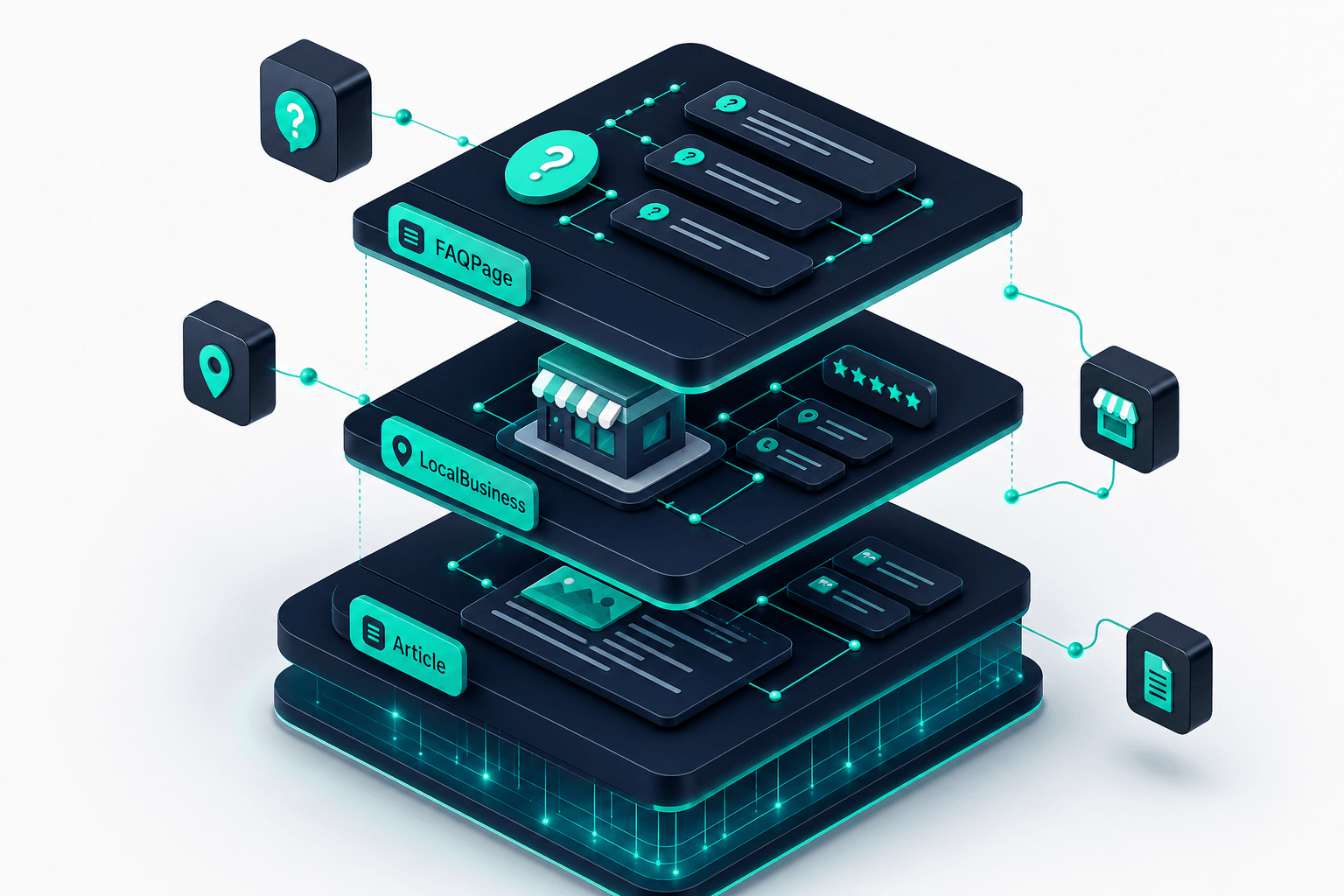
Compatible schema layers provide the structured signals AI engines need for semantic matching.
Building Content That Matches Real Questions
Write service descriptions in the language customers actually use. Include phrases like same-day response or handles commercial properties alongside technical details. Add short sections that answer the follow-ups people type next.
Use internal links to related topics such as pricing guides or preparation checklists. This creates a web of meaning that engines map during retrieval. Concrete examples beat general statements every time.
Update pages when offerings change. Freshness counts heavily on Perplexity and influences how often ChatGPT surfaces newer material in its browsing mode.
Local Examples That Work in Practice
A local repair service page that states typical response time for after-hours calls, lists zip codes served, and includes a short FAQ on insurance paperwork gets referenced more often. The content directly supplies answers to conversational queries about reliability and speed.
An electrical business that maintains current service hours, emergency availability, and common repair scenarios in plain paragraphs supplies the exact context engines need. Citations appear when the page matches both the main intent and the implied details.
Review and update these details quarterly. Engines notice consistency between your site and external directories.
Measuring What Matters in AI Visibility
Track mentions in actual AI responses rather than traditional rankings alone. Prompt the major engines with your target questions and note which sources appear. Tools that monitor citations across platforms give a clearer picture than keyword tools alone.
Watch for patterns in the answers you receive. Consistent appearance in Perplexity citations signals strong freshness and structure. Appearance in ChatGPT synthesized responses points to authority signals that stick.
Adjust content based on gaps. If engines miss a key detail you offer, add it in a direct, scannable format.
Perplexity almost always shows sources. ChatGPT shows them less consistently. Build content that earns the ones that do appear.
Key Takeaways
- Write pages that answer full conversational questions, not just keyword phrases.
- Add FAQPage and LocalBusiness schema to service and location pages.
- Keep details like hours, service areas, and response times current and specific.
- Structure content with clear headings, short paragraphs, and direct statements.
- Test target questions in ChatGPT, Perplexity, and Claude to see what surfaces.
FAQ
Does traditional SEO still matter for AI search?
Yes. Strong on-page structure, accurate business details, and authority signals remain foundational. AI engines build on the same crawlable web that powers traditional results.
How long before changes show up in AI answers?
Fresh content reaches Perplexity quickly due to real-time retrieval. Other engines update on varying schedules. Consistent updates and schema help accelerate recognition.
What if my business has multiple locations?
Use hierarchical schema with a parent Organization and separate LocalBusiness entries. Maintain consistent NAP data and unique details for each site to support accurate local matching.
Should I create separate pages for every possible question?
Focus on high-volume conversational questions first. One well-structured service page with an FAQ section often covers the main intents without fragmenting your site.
Related on L3ad Solutions
Or start with a free AI visibility check
Does AI Recommend You?
See if ChatGPT, Gemini, Grok, and Claude name your business. Free, emailed in minutes.