



How to Audit Your AI Discoverability
Run this step-by-step audit today to check if your business shows up in ChatGPT, Perplexity, Gemini, and other AI answers. Practical checklist for US small business owners.
Updated August 1, 2026 · 5 min read
Table of Contents
TL;DR: AI engines now answer questions directly and cite sources from the web. Most small businesses do not know if their content gets pulled in. This audit shows exactly where you stand. Run the checks, fix the gaps, and track progress over the next month.
Small business owners across the US are watching traffic patterns shift. People ask ChatGPT or Perplexity for service recommendations instead of typing into Google. If your site never appears in those answers, you lose the chance to be chosen before a user even visits a results page. The good news is you can measure this yourself right now with no paid tools. The audit below walks through what to test, what the major engines actually reward, and how to spot fixes that matter.
Run prompt tests across the main engines
Start by typing the exact questions your customers ask into ChatGPT, Perplexity, Gemini, and Bing Copilot. Use real phrases like "best plumber near me for emergency repairs" or "how to choose a digital marketing agency for a 20 person team." Note every brand or site mentioned and whether your own name or domain appears. Perplexity tends to show inline citations on almost every claim, while ChatGPT often gives fewer links unless you ask for sources. Gemini pulls from a broad mix that includes news and forums. Run the same ten prompts three times on different days because answers can vary. Save the results in a simple spreadsheet with columns for engine, prompt, brands cited, and links shown. This baseline tells you your current share of mentions before any changes.

Testing the same prompts across multiple AI engines helps establish your current visibility baseline.
Check if AI bots can reach your site
Open your robots.txt file and look for lines that block GPTBot, Google-Extended, or Anthropic. Some older setups still block these crawlers by default. If you see a disallow rule for any of them, remove it so the engines can read your pages. Next, test a few key pages with a simple fetch tool to confirm they load without heavy JavaScript that hides the main text. AI systems favor pages that render cleanly in plain HTML. Add your sitemap URL in Google Search Console and Bing Webmaster Tools so new content gets discovered faster. These checks take ten minutes and fix the most common reason content never reaches the models.
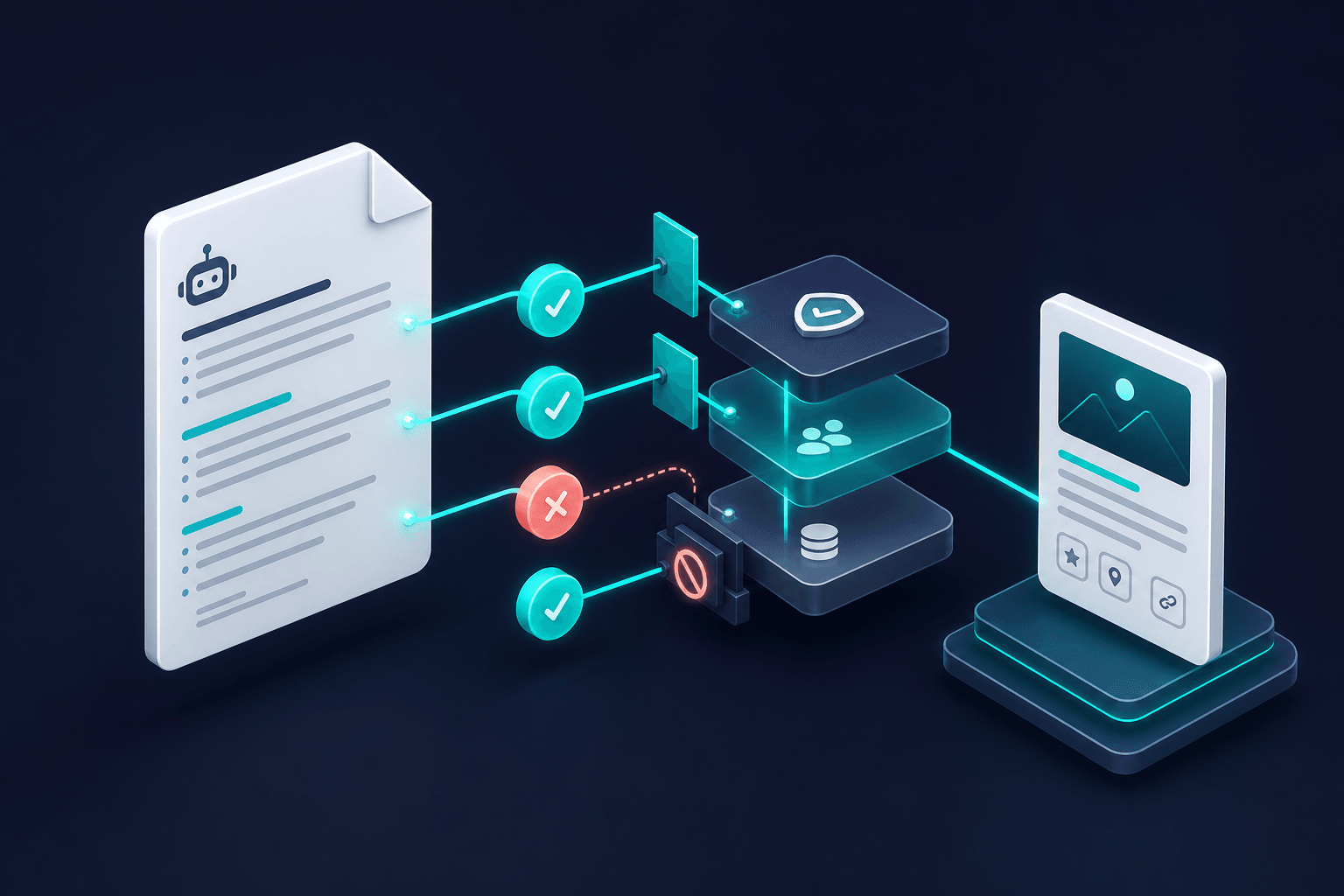
Ensuring AI crawlers have clear access is the foundation of discoverability.
Review your content structure for answer formats
Open your top service and blog pages. Look for clear question-and-answer blocks or short sections that start with a heading and give the answer in the first two sentences. Engines pull these patterns more often than long introductory paragraphs. Perplexity and similar tools especially like numbered lists and comparison tables when the query asks for options. Rewrite one page this week to lead with the direct answer, then add a short FAQ section at the bottom. Keep each answer under 60 words so it fits neatly into a generated response. This matches how the models break down and reuse content today.
Add the schema that helps engines understand your pages
Use standard schema markup on every important page. FAQPage schema on question sections and Article schema on blog posts give models extra signals about what the content contains. Organization schema on your homepage and contact page helps tie your brand name to the right details across answers. Many sites already have basic markup from plugins. Check yours with a validator and fill in any missing fields like service descriptions or review aggregates. The engines do not require special AI-only markup, but consistent structured data makes your pages easier to parse and cite correctly.
Measure E-E-A-T signals that build trust
List every page that mentions your team, client results, or specific data. Engines favor content that shows real experience and clear authorship. Add author bios with credentials on blog posts. Include recent case studies with numbers and dates instead of vague claims. Cross-check that your business name, address, and phone stay consistent everywhere from your site to directory listings. When prompts involve local or service queries, engines often pull from sources that demonstrate this consistency. Update three older pages this month to strengthen those signals.
Track citation patterns and close the gaps
Compare your prompt test results to what competitors receive. Note which sources the engines cite repeatedly for your topic. If they favor news sites or forums, consider publishing short updates or participating in relevant discussions that can earn links back to your site. Re-run the same prompts after two weeks of fixes and record any new mentions. Track how often your domain appears as a citation versus just a brand name. Perplexity shows the highest citation density, so improvements there often translate to better traffic when users click through.

Tracking which sources engines repeatedly cite reveals clear opportunities to close visibility gaps.
Set a simple monthly review process
Block one hour on the calendar every month to repeat the prompt tests and check for new citations. Keep the same ten questions so you can see trends. Note any engine updates that change citation style. Adjust one content piece based on what is missing. This keeps your audit current without turning into a full-time job. Most small teams see steady gains after three cycles once the initial gaps are closed.
Robots.txt rules that block GPTBot or Google-Extended stop many sites from appearing in AI answers even when the content is strong.
- Test the exact customer questions in ChatGPT, Perplexity, and Gemini this week.
- Remove any robots.txt blocks for major AI crawlers and confirm clean page rendering.
- Add FAQ sections and standard schema markup to your highest-traffic pages.
- Strengthen author bios, recent results, and consistent business details across the site.
- Re-run the same prompts monthly and record changes in mentions and citations.
FAQ
How long does an AI discoverability audit take?
The full first pass takes two to three hours spread over a couple of days. Most of that time is running prompts and checking your robots.txt plus schema.
Do I need special tools to track AI citations?
Free prompt testing across the engines gives you a solid start. Paid trackers exist for larger teams that want daily monitoring across dozens of prompts.
Will fixing AI discoverability hurt my Google rankings?
No. The same clean structure, schema, and trust signals that help AI engines also support traditional search performance.
How often should I update the audit?
Run the core checks once a month. Engines change citation habits, so fresh data keeps your content aligned with what they pull today.
Related on L3ad Solutions
Or start with a free AI visibility check
Does AI Recommend You?
See if ChatGPT, Gemini, Grok, and Claude name your business. Free report by email.