



AEO Best Practices to Get Cited in AI Answers
Learn AEO best practices that help small US businesses appear in ChatGPT, Perplexity, Claude, and Gemini answers. Focus on what actually gets picked: clear questions, structured content, and authority signals.
Updated June 12, 2026 · 7 min read
Table of Contents
TL;DR: Answer engines like ChatGPT, Perplexity, and Claude pull from sources that give direct, structured answers to real user questions. Small businesses win citations by leading with concise responses, using lists and FAQ sections, and maintaining consistent entity details across the web. Reddit and Wikipedia dominate many citations, while Perplexity favors primary sources and real-time data. Structured data like FAQPage and HowTo schema helps machines extract your content cleanly. Fresh updates and clear authority signals keep you in the mix.
Small business owners now face a new reality. Customers ask AI tools full questions instead of typing short keywords, and the answers that appear often come from just a handful of sources per response. If your site does not show up in those answers, you lose the chance to be considered before a prospect even visits a traditional search result.
The shift matters because zero-click outcomes are common. People get what they need from the AI summary and move on. For a US business selling services or products nationwide, this means optimizing so engines pick your content as the reliable answer.
AEO focuses on exactly that: making your pages the ones engines choose to quote or summarize. It builds on solid SEO but adds emphasis on extractable formats and question-first writing that matches how people actually talk to tools like Perplexity or Claude.
Start with the exact questions your customers ask
Research begins with listening to real phrasing. Tools that show People Also Ask boxes and related searches reveal the questions people type into AI platforms. A local service business might target "how to fix a leaking faucet without calling a professional" rather than broad terms like "service near me."
Write the question as an H2 or H3 heading. Then give the shortest complete answer right after it. Perplexity and similar engines often pull the first 100 to 200 words when they decide a page matches the query. Short paragraphs of two to four sentences work better than long blocks.
Small businesses see results when they audit their top service pages and add ten to fifteen common customer questions. One Midwest heating firm added a section answering "what size furnace do I need for a 2000 square foot home" and noticed more mentions in test prompts within weeks.
Lead with direct answers in plain language
Engines reward pages that deliver the answer immediately. Place a one-sentence definition or recommendation at the top of relevant sections. Follow with supporting details in short paragraphs.
Avoid burying the point after several sentences of setup. ChatGPT tends to favor consensus sources with clear statements, while Claude responds well to pages that define terms upfront and then expand. This pattern shows up repeatedly in citation studies from early 2026.
For example, a national e-commerce seller of office furniture starts product guides with "An ergonomic chair should allow your feet to rest flat on the floor and your screen at eye level." That format gets extracted more often than narrative intros.
Use lists, tables, and scannable blocks
AI systems prefer content they can break into clean pieces. Bullet lists for pros and cons or steps outperform dense paragraphs. Tables comparing options appear frequently in generated answers because they reduce ambiguity.
Perplexity pulls heavily from Reddit threads that use numbered steps or simple lists. Claude shows a measurable preference for pages heavy on bullet points and subheadings. Structure your comparison content the same way.
A small accounting firm created a table of "common tax deductions for sole proprietors" with columns for expense type, typical amount, and documentation needed. The page now surfaces in test queries about business taxes.

Scannable formats like tables and lists make it easier for AI engines to extract and cite your content.
Add FAQ and HowTo schema where it fits
Schema markup helps engines understand and pull your content accurately. FAQPage schema marks question-answer pairs so tools can lift them directly. HowTo schema works for step-by-step instructions.
Implementation stays simple with plugins or JSON-LD blocks. Place the schema near the matching visible content. Studies from 2026 show FAQ schema improves extraction rates across multiple platforms without requiring special files.
Keep the visible FAQ text identical to what the schema describes. Inconsistent markup and text reduces trust signals that engines use when choosing sources.
Build consistent entity details and authority
Engines look for signals that your business is real and reliable. Keep name, address, phone, and service descriptions identical across your site, Google Business Profile, and major directories. Inconsistent details hurt citation chances.
Off-site mentions on reputable industry sites and review platforms add weight. Perplexity favors primary sources and official documentation, while ChatGPT leans on established names with clear expertise.
A national pet supply retailer maintains the same brand description on its site and in supplier listings. This consistency helped the brand appear in AI answers for "best chew toys for aggressive chewers" after updates to product guides.

Consistent entity information across directories strengthens authority signals that AI engines rely on.
Keep content fresh with regular updates
Freshness influences selection on platforms that retrieve current web data. Update core pages every few months with new examples, revised numbers, or additional questions. Add a visible last-updated date near the top.
Perplexity rewards recent information on time-sensitive topics. Even evergreen service pages benefit from quarterly reviews that add current statistics or customer stories.
Small businesses can set a simple schedule: review top ten pages each quarter and add one new question or data point. This habit keeps content competitive without full rewrites.
Test your pages directly in the tools
Run the same customer questions through ChatGPT, Perplexity, Claude, and Gemini. Note which of your pages or competitors appear and how the answer is phrased. Adjust headings or add missing details based on gaps.
Repeat tests after updates. Track mentions over time rather than expecting instant results. Many small business owners discover that one well-structured FAQ section lifts visibility across several engines at once.
Document what works. A Midwest manufacturer of custom parts started testing prompts weekly and refined its guide pages accordingly, leading to more consistent citations in industrial queries.
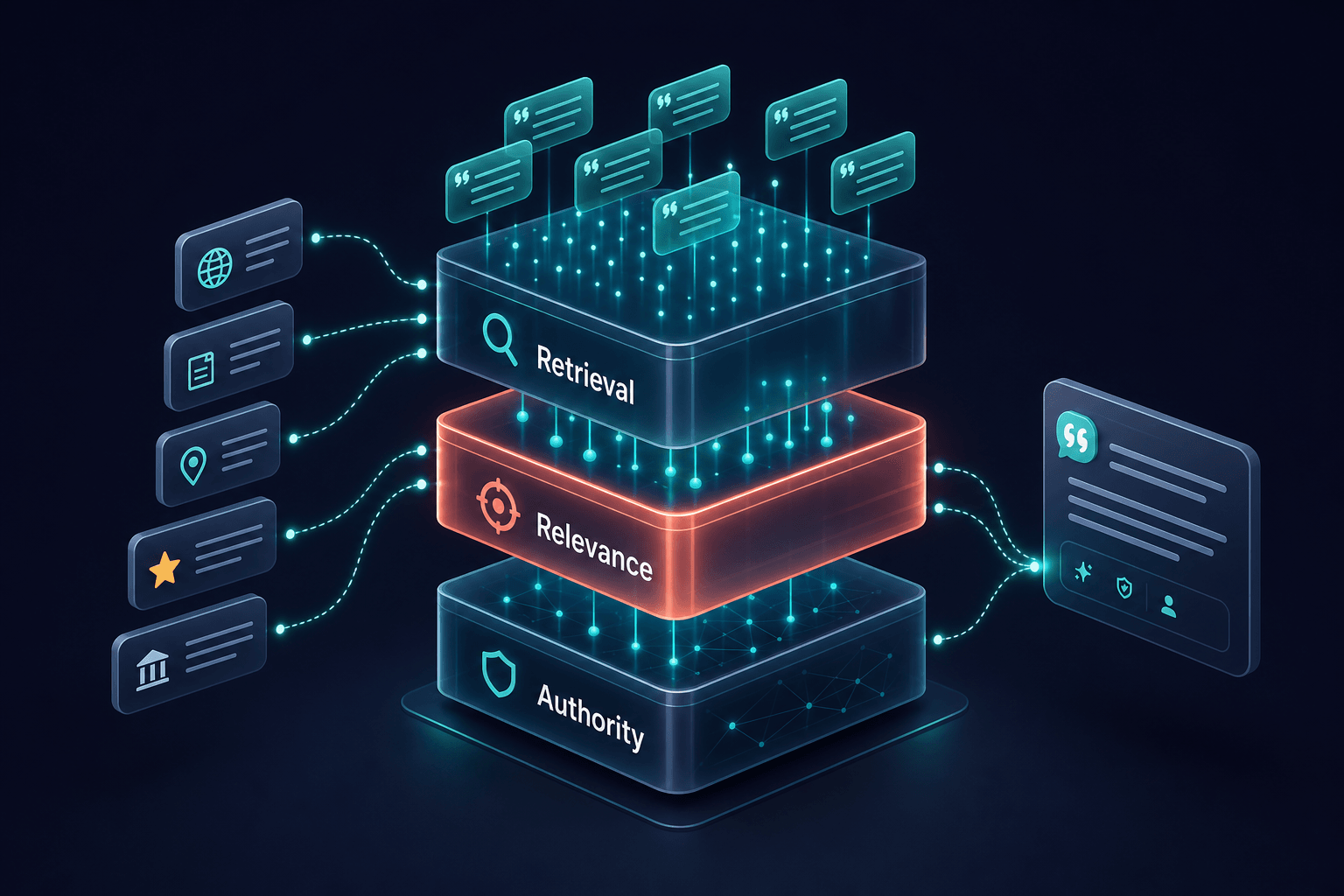
Regular testing in AI tools reveals which content structures earn citations.
Across 2026 citation data, Reddit appears at high frequency in Perplexity and other engines, while Wikipedia anchors many ChatGPT responses. Build your own clear, citable content to compete.
- Audit your site for the ten most common customer questions and turn each into a clear heading plus short answer.
- Place the direct answer in the first paragraph after every question heading.
- Format comparisons and steps as lists or tables so engines extract them easily.
- Add FAQPage schema to question sections and keep visible text identical to the markup.
- Update key pages quarterly and test the same prompts in major AI tools to measure progress.
FAQ
Tap a question to expand.
How long does it take to see results from AEO work?
Do I need to change my existing SEO strategy?
What if my competitors already rank in AI answers?
Is schema markup still worth adding in 2026?
Related on L3ad Solutions
Or start with a free AI visibility check
Does AI Recommend You?
See if ChatGPT, Gemini, Grok, and Claude name your business. Free, emailed in minutes.