


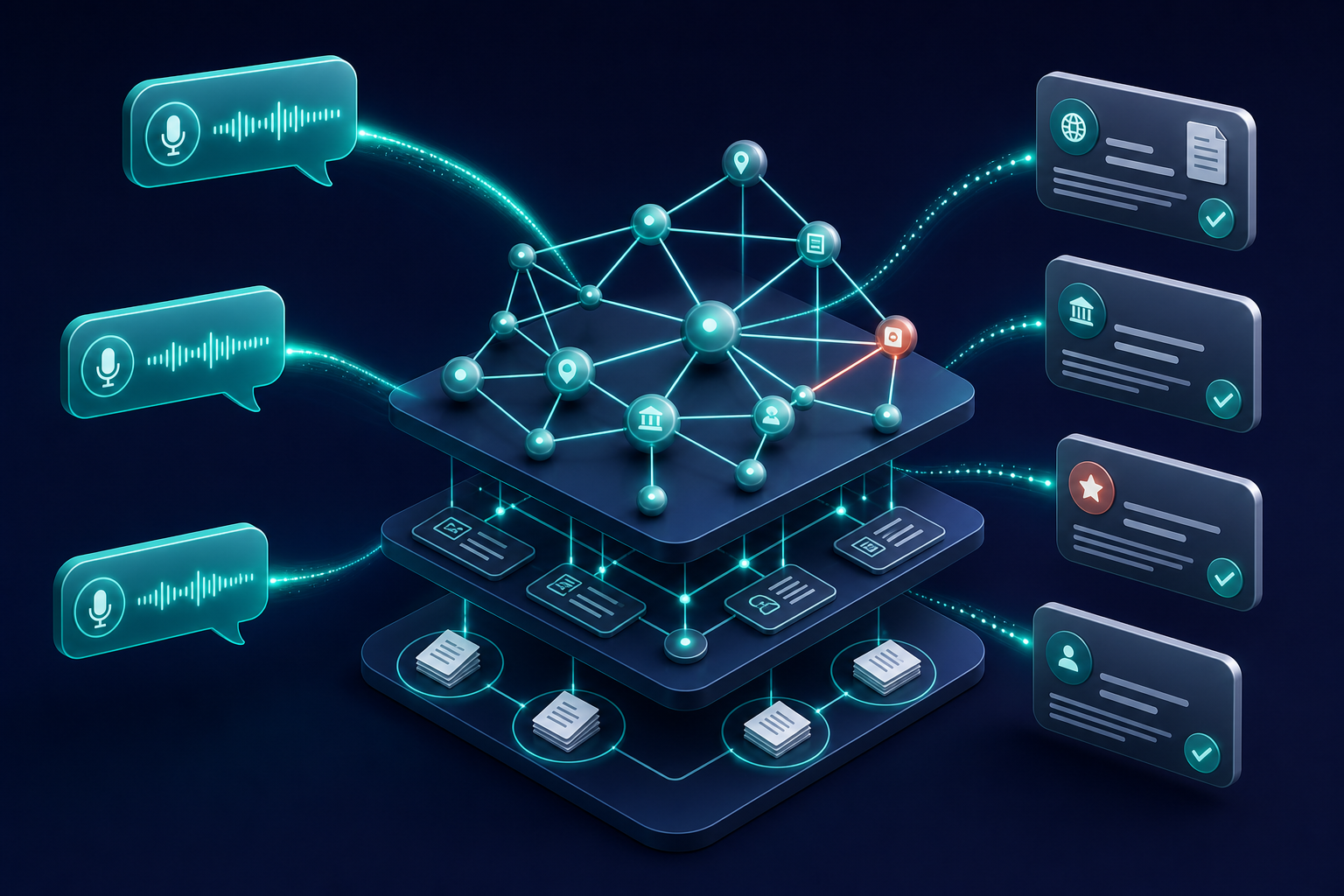
Voice Search Optimization Strategies for 2026
Learn practical voice search optimization tactics that help small and mid-size businesses appear in answers from ChatGPT, Claude, Perplexity, Gemini, and voice assistants in 2026.
Updated July 30, 2026 · 12 min read
Table of Contents
TL;DR: Voice search now overlaps heavily with AI answer engines. Success depends on conversational questions, direct 40-60 word answers, FAQ and Speakable schema, and mobile performance. AI tools like Perplexity favor cited, structured content while voice assistants pull from featured snippets and clean markup. Businesses that treat voice as part of broader AEO and GEO efforts see better citation rates and spoken results.
Voice queries have shifted from simple commands to full conversations with AI assistants. Small business owners notice fewer clicks but more spoken answers that decide purchases or service calls. Traditional keyword lists no longer cover how people actually speak to their devices or chatbots.
In 2026 the lines between voice search, featured snippets, and generative answers have blurred. ChatGPT and Gemini pull from the open web for many spoken responses. Perplexity emphasizes clear citations. Claude and Bing Copilot reward structured, question-led pages. Owners who ignore these patterns lose ground to competitors who structure content for extraction.
The good news is the fixes are concrete. They center on natural language, tight answer blocks, and specific schema types that AI crawlers already parse reliably. Here are the steps that move the needle without requiring new budgets or long-term contracts.
Match how people actually speak in 2026
Voice queries remain longer and more natural than typed searches. Users ask full questions such as how to fix a leaky faucet or what the best accountant near me charges for tax prep. Research from 2026 shows these conversational phrases dominate voice traffic on Google Assistant, Siri, and AI-native tools.
Study the exact prompts your customers type into ChatGPT or Perplexity. Tools that track prompt data reveal patterns like who versus what versus where questions. Build page titles and headings that mirror those full sentences.
L3ad Solutions clients test sample voice queries on their own devices every quarter. They update headings when new phrasing appears. This simple habit keeps content aligned with real usage instead of outdated keyword lists.
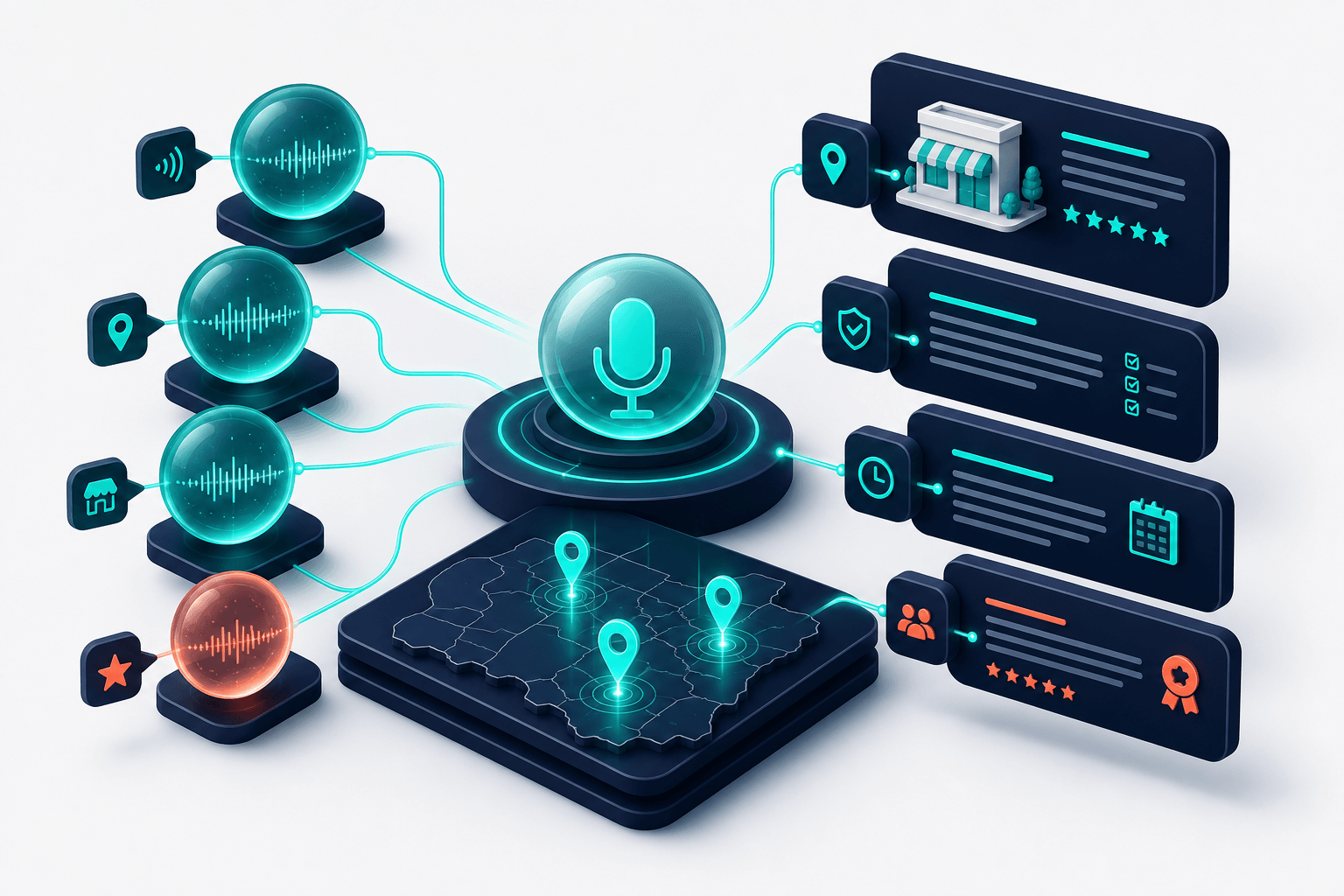
Voice queries in 2026 are full conversational sentences that must be mirrored in headings and opening paragraphs.
Lead with direct answers AI can quote
AI engines and voice assistants favor the first clear answer they encounter. Place a 40 to 60 word paragraph right after each H2 that states the solution in plain language. Follow it with supporting details, examples, or steps.
Perplexity and Google AI Overviews frequently cite these opening blocks when they match the query. ChatGPT does the same when content is concise and authoritative. Avoid burying the answer three paragraphs down.
Test the approach by pasting your page text into a new ChatGPT thread and asking the exact voice-style question. If the model pulls your wording, you are on the right track. Adjust until the direct answer surfaces cleanly.
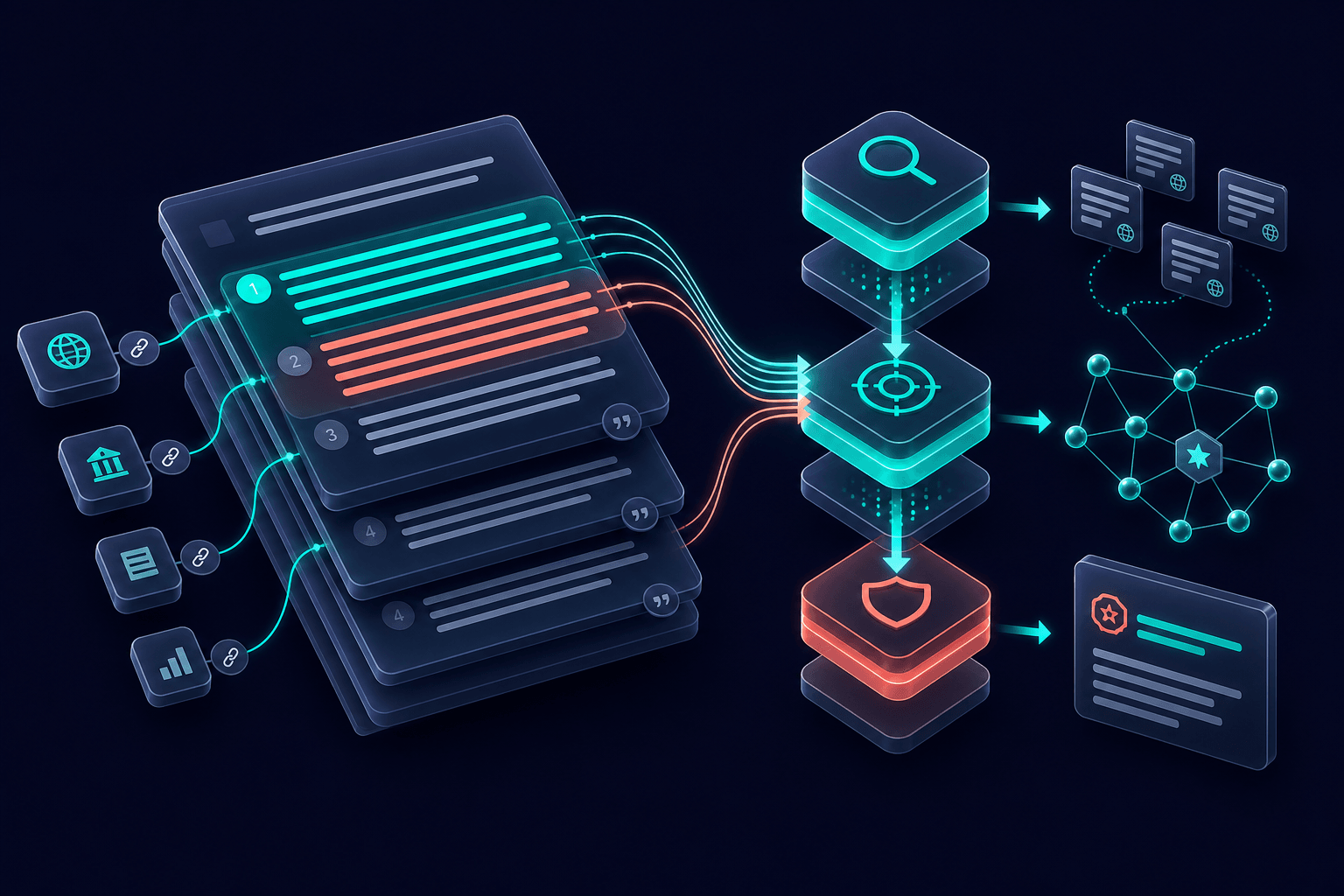
Direct 40-60 word answer blocks placed immediately after each H2 are the passages most frequently cited by AI engines.
Use FAQ and HowTo schema for extraction
FAQPage schema remains one of the highest-impact markup types for AI visibility. It labels question-answer pairs so models can pull them without guessing context. Add it to every informational page that targets spoken questions.
HowTo schema works well for step-by-step processes. Voice assistants and generative tools both reference it when users ask for instructions. Combine it with Article schema on blog posts to signal authorship and dates.
Multiple 2026 analyses show pages with proper FAQ and HowTo markup appear more often in AI summaries than unstructured competitors. Implement the JSON-LD once and refresh it when answers change. No ongoing maintenance beyond normal content updates is required.
Add Speakable schema for voice priority
Speakable schema marks specific passages as suitable for audio playback. Google and other assistants use it to select the exact text they read aloud. Place it on the direct-answer paragraphs and key bullet lists.
This markup is still underused compared with FAQ schema. Early adopters report higher selection rates for voice results on both smart speakers and mobile assistants. The code is straightforward and lives alongside your other structured data.
Pair Speakable with clear, spoken-language sentences. Short sentences and active voice work best. Avoid jargon that sounds awkward when read aloud.
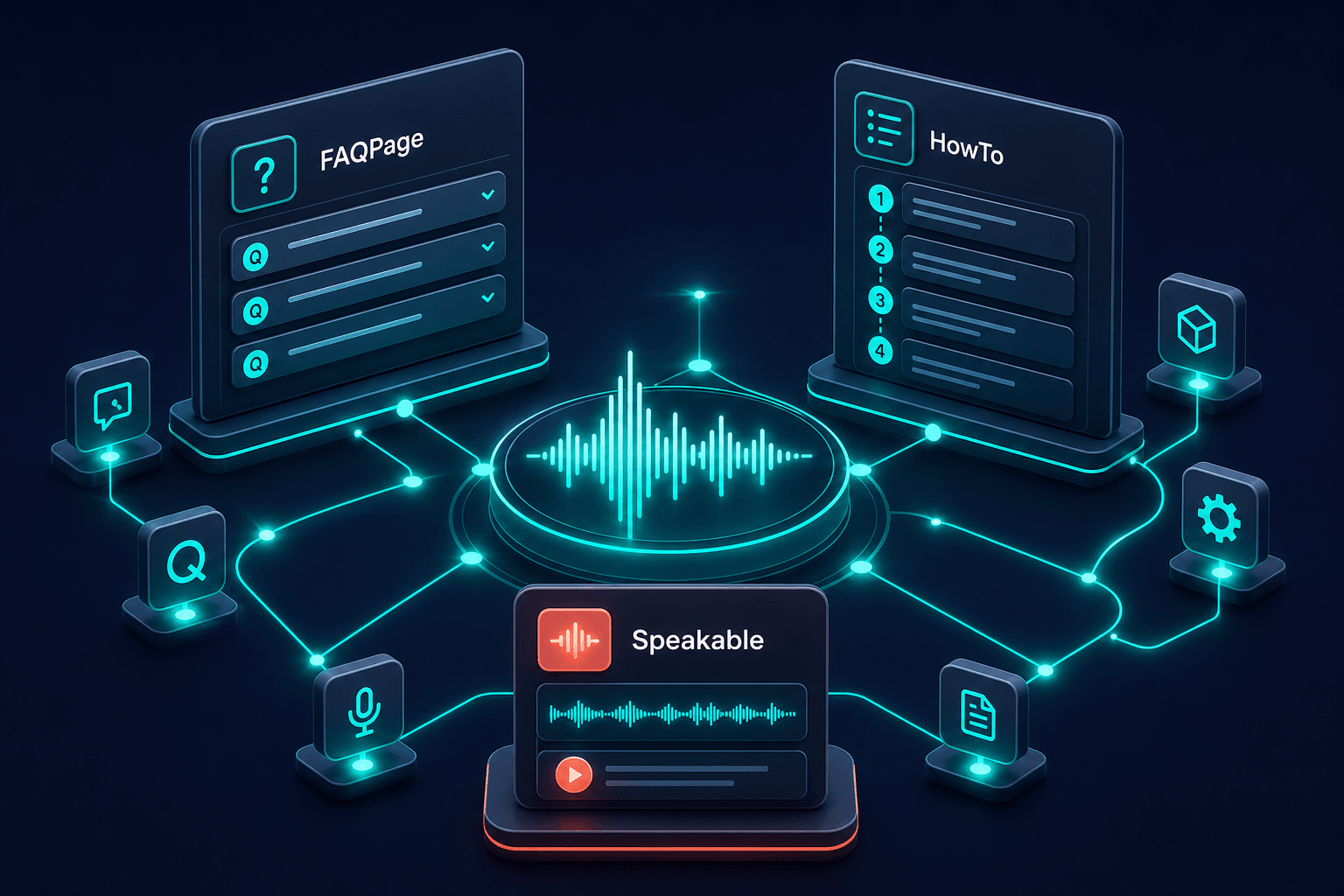
Speakable, FAQPage, and HowTo schema create clear extraction signals that increase the likelihood of voice playback and AI citations.
Keep pages fast and mobile-first
Voice searches happen mostly on phones and smart speakers. Core Web Vitals and mobile usability directly affect whether an answer engine selects your page. Slow load times cause assistants to skip to faster alternatives.
Compress images, enable caching, and reduce third-party scripts. Test on real devices rather than desktop simulators. Google’s own guidelines continue to tie mobile performance to rich results and AI citations.
Businesses that treat speed as a one-time project and then forget it lose ground quickly. Schedule quarterly audits and fix issues before they compound.
Strengthen authority signals AI trusts
Generative engines weigh expertise and trustworthiness. Publish original data, customer examples, and clear authorship on every page. Link to primary sources and update dates regularly.
Perplexity and similar tools cite pages with visible credentials more often than anonymous content. Add author bios with real experience. Include review schema where appropriate to show third-party validation.
Consistency across your site and external profiles helps. Use the same business name, address, and service descriptions everywhere. AI models reconcile these signals when deciding which source to quote.
Measure what actually moves citations
Track citations the same way you track rankings. Paste target questions into ChatGPT, Claude, Perplexity, and Gemini once a month. Note which pages appear and which do not.
Look for patterns in the sources AI chooses. Adjust your direct answers and schema when a competitor surfaces instead of you. Tools that monitor prompt results make this repeatable without manual effort.
Focus on lift in spoken answers rather than traditional click metrics. Voice traffic often converts at higher rates because the user is already committed to the query.
Add FAQPage, HowTo, Speakable, Article, and Organization schema to priority pages. These five types give AI crawlers the clearest signals for voice and generative answers.
Key Takeaways
- Write headings and opening paragraphs in full spoken sentences that match real voice queries.
- Lead every section with a 40-60 word direct answer followed by supporting points.
- Implement FAQPage and Speakable schema on every content page that targets questions.
- Keep mobile load times under two seconds and test Core Web Vitals quarterly.
- Audit citations monthly in the major AI tools and refine content that fails to appear.
FAQ
Does voice search still matter when most people use ChatGPT or Perplexity?
Yes. Voice assistants and AI chatbots increasingly share the same underlying data sources. Optimizing for one improves results in the others. Conversational content and schema help across both traditional voice and generative answers.
How long should direct answers be for voice optimization?
Keep the lead paragraph between 40 and 60 words. This length gives AI engines enough context to quote accurately without overwhelming a spoken response. Shorter or longer blocks are less likely to be selected.
Is Speakable schema worth the extra code?
It remains one of the most direct ways to influence what voice assistants read aloud. Many sites still skip it, which creates an easy competitive edge for those who add it to key passages.
How often should we test our content in AI tools?
Run monthly checks on the main questions you target. Note new citations and adjust direct answers or schema accordingly. Consistent testing reveals what actually changes results faster than any guesswork.
Related on L3ad Solutions
Or start with a free AI visibility check
Does AI Recommend You?
See if ChatGPT, Gemini, Grok, and Claude name your business. Free report by email.