


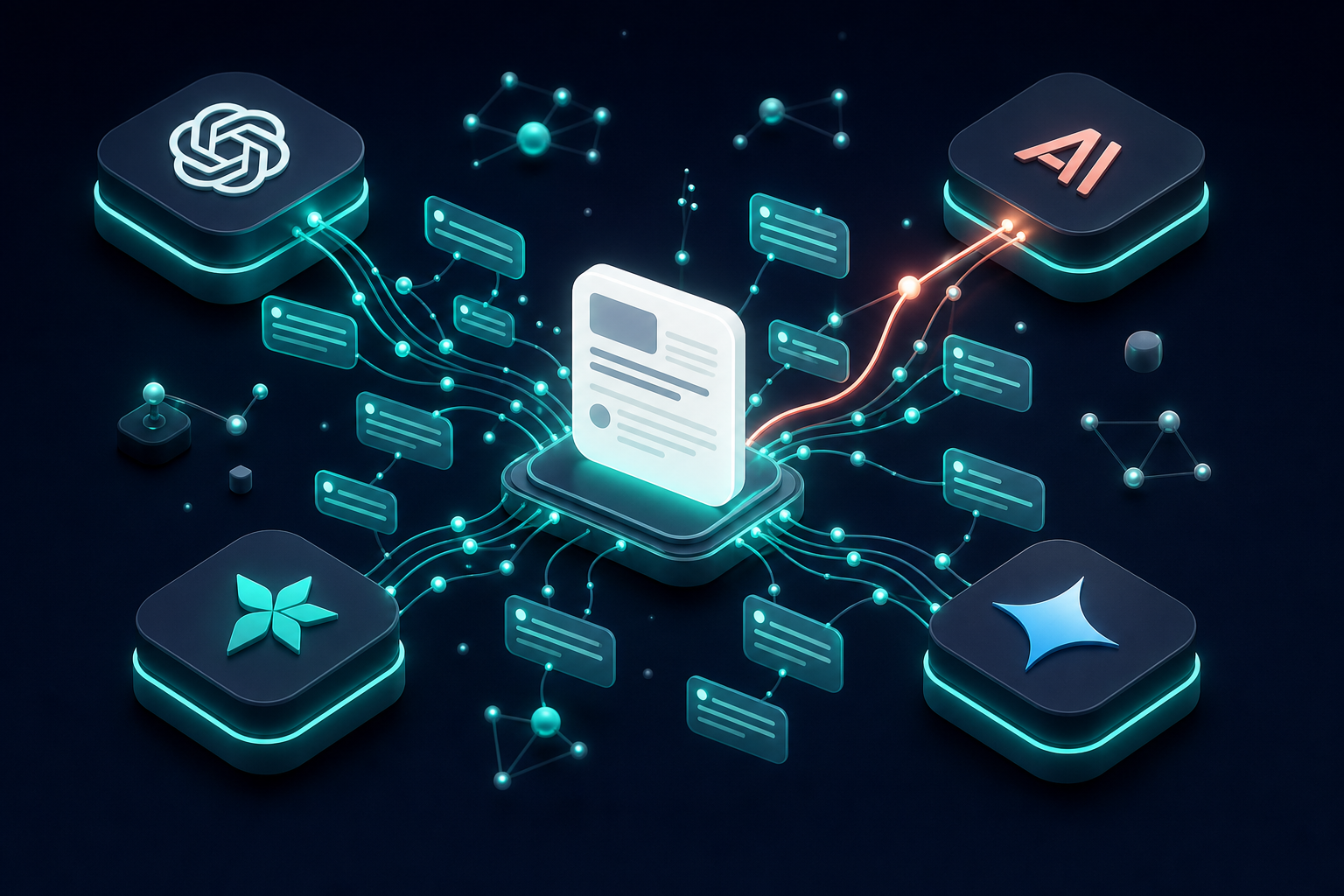
Track AI Citations: Tools for ChatGPT, Claude, Perplexity
Learn what to monitor for AI search visibility and which tools track brand citations across ChatGPT, Claude, Perplexity, and Gemini in 2026.
Updated July 8, 2026 · 12 min read
Table of Contents
TL;DR: AI engines cite sources differently. ChatGPT uses footer links from training data and Bing. Perplexity adds inline numbered citations from live searches. Claude favors structured pages. Tracking tools like Semrush One, Profound, Otterly.AI, and Evertune monitor mentions, citations, and competitor visibility across these platforms. Small businesses need to watch frequency, source quality, and sentiment to adjust content.
Small business owners now see their sites appear in answers from ChatGPT or Perplexity. That visibility only helps if the AI names you as a source. Without tracking, you miss whether changes to your site actually move the needle.
Traditional SEO reports show Google rankings. They miss what happens inside AI responses. Citation tracking fills the gap by logging when and how each engine references your brand or content.
The right tools reveal patterns across platforms. They show which queries trigger citations and which competitors win more often. This data guides content updates without guesswork.
What Counts as an AI Citation Worth Tracking

Three core signals define valuable AI citations: brand mentions, direct links, and sentiment context.
Track three main signals. First, brand mentions: does the AI name your company even without a link. Second, actual citations: direct links or footnotes to your pages. Third, context and sentiment: is the mention positive, neutral, or tied to competitors.
Frequency matters. Log how often citations appear for core queries like product comparisons or how-to questions. Also note position in the response. Early citations carry more weight than buried footnotes.
Compare against competitors. Tools that show side-by-side visibility scores highlight where you lag. This prevents chasing every new query and focuses effort on high-impact topics.
Finally, watch source type. Perplexity often pulls from Reddit or recent articles. ChatGPT leans on established sites. Knowing the difference helps you create matching content formats.
ChatGPT Citation Behavior in 2026
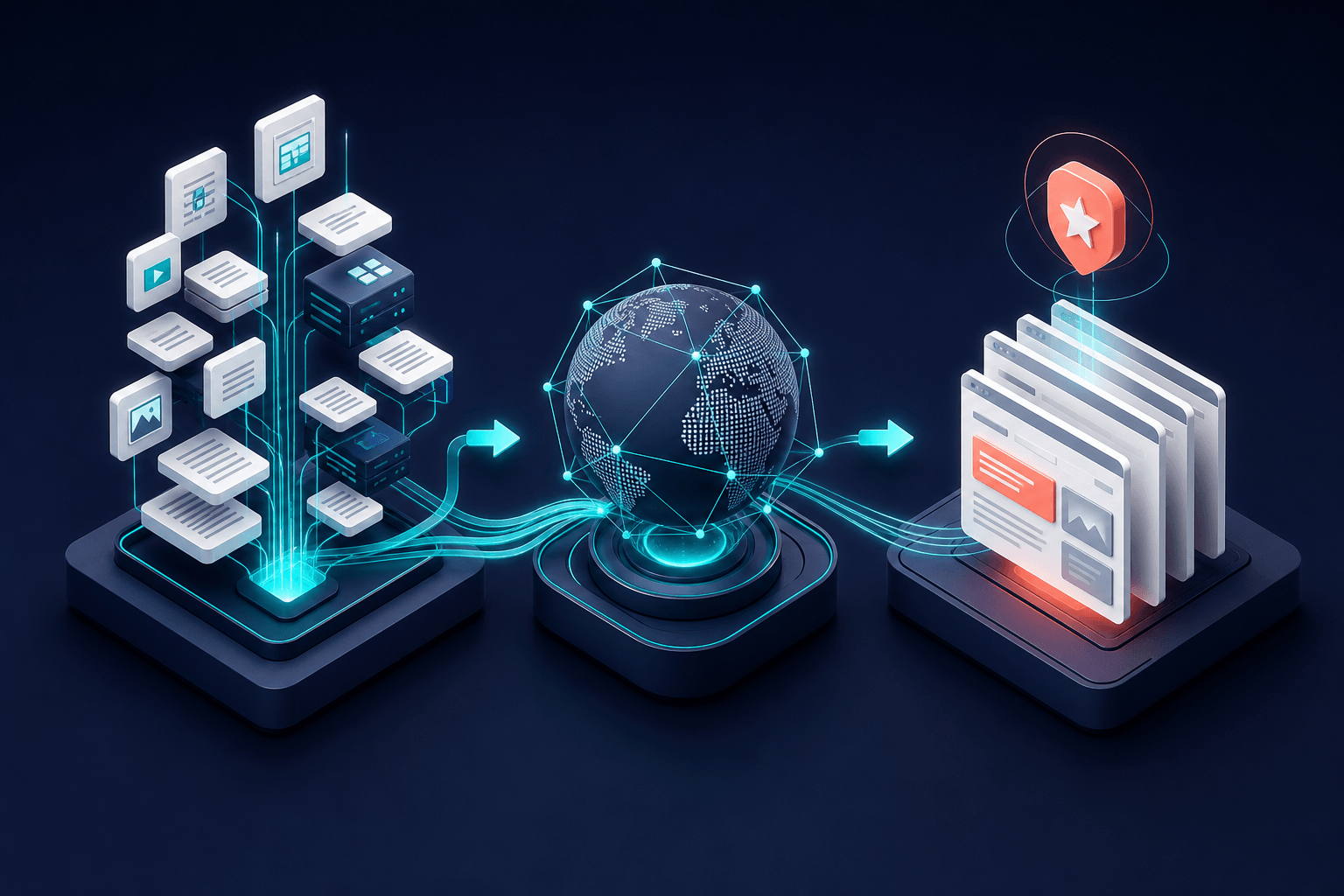
ChatGPT citation flow combines training data with Bing web access, favoring stable authoritative pages.
ChatGPT pulls from training data plus Bing web access. Citations often appear as footer links rather than inline references. The engine favors Wikipedia, news sites, and established domains for authority.
Recent analyses show ChatGPT cites brands less frequently than real-time engines. When it does cite, the links tend to be stable pages with clear entity signals. Adding Organization schema and author bios improves chances.
Updates to the model change citation patterns. Track over weeks, not days, to spot real trends. Free manual checks work for a few queries. Paid tools scale this across hundreds of prompts and log historical shifts.
Perplexity Citation Style and Tracking Needs
Perplexity runs live web searches for most answers. It includes numbered inline citations on nearly every response. Sources often include Reddit threads, official docs, and fresh articles.
This platform shows higher citation volume than ChatGPT. Links are clickable and direct. Tracking tools that capture full response text reveal exactly which of your pages get chosen.
Recency helps here. Content updated in the last few months earns more citations. Tools that alert on new citations let you replicate winning page structures quickly.
Claude and Gemini Differences to Watch
Claude prioritizes structured, helpful content. It uses inline citations and draws from sources like Brave Search. Pages with clear headings, lists, and definitions appear more often.
Gemini blends Google search signals with its own knowledge. It shows some overlap with traditional rankings but adds brand mentions in AI Overviews. Tracking requires coverage of both Google AI features and standalone Gemini chats.
Each engine values slightly different signals. One tool may excel at Perplexity depth while another captures Claude's preference for technical depth. Multi-platform dashboards give the full picture.
Leading Tools and Platform Coverage
Semrush One includes an AI Toolkit that tracks ChatGPT, AI Overviews, and other models. It combines traditional SEO data with visibility scores.
Profound and Evertune focus on enterprise-level monitoring across ChatGPT, Claude, Gemini, and Perplexity. They offer competitor comparison and brand perception maps.
Otterly.AI and Promptmonitor target smaller teams with daily checks and lower starting prices. Indexly and Topify add citation detail plus workflow features for agencies.
Free options exist through manual prompt testing, but they miss scale and history. Paid plans start around thirty dollars per month for basic multi-model tracking.
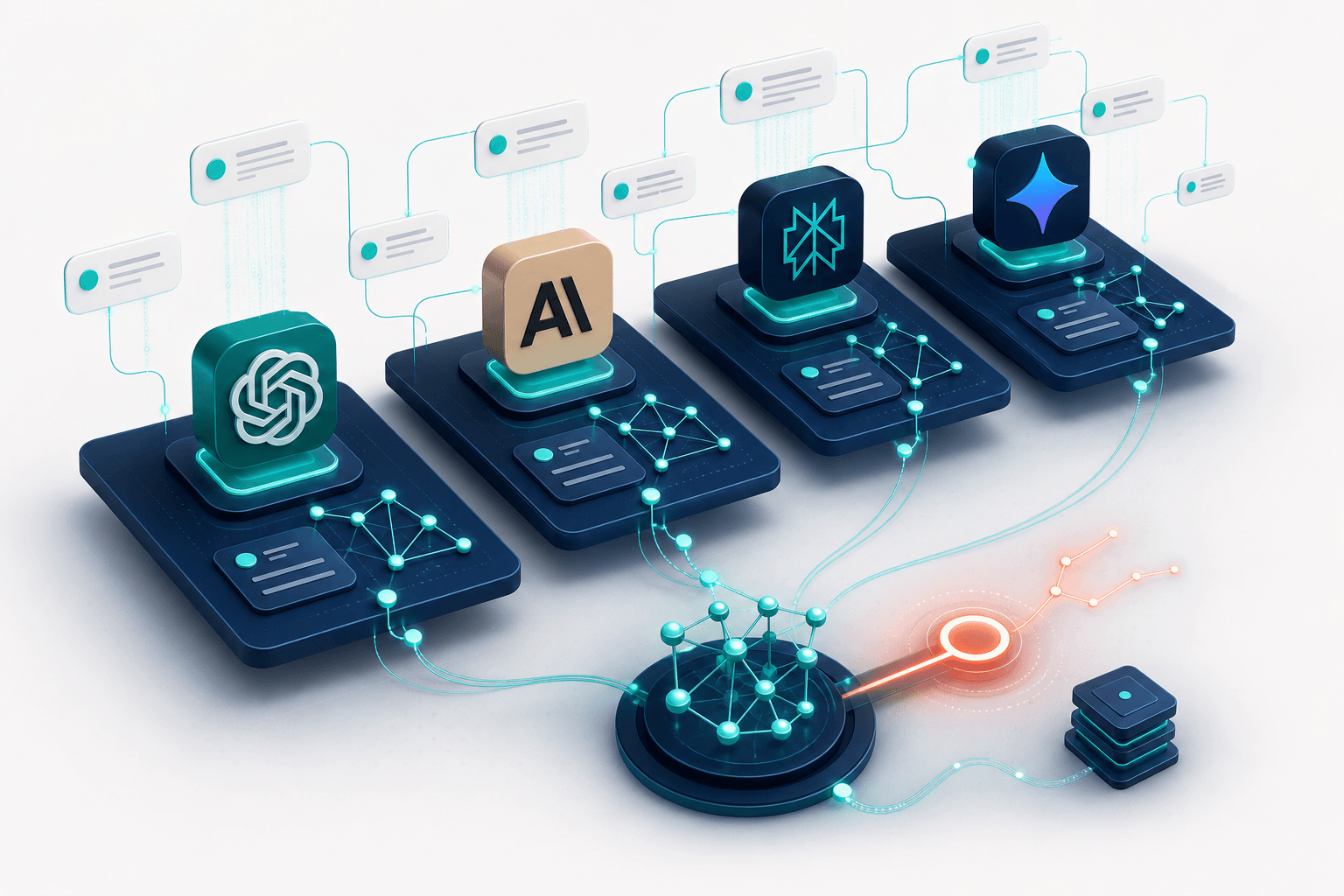
Multi-platform dashboards provide a complete view of citation performance across AI engines.
Setting Up Tracking Without Overkill
Start with your top ten customer questions. Run them weekly in each major engine and log results in a simple spreadsheet at first.
Move to a dedicated tool once volume grows. Connect your site and target keywords. Set alerts for new citations or drops in visibility.
Review reports monthly. Look for patterns like certain content types winning more often. Update those pages with fresh data or clearer structure.
Share findings with your content team. Tie citation wins back to specific articles or schema additions so the process repeats.
Common Tracking Mistakes to Avoid
Do not rely on one engine snapshot. Citation rates vary by day and model version. Consistent monitoring over time reveals the real trend.
Ignore competitor context at your own risk. A tool that only shows your numbers leaves you guessing why visibility stays flat.
Avoid tools limited to a single platform. Most businesses need coverage across at least ChatGPT, Perplexity, and Claude to match where customers actually ask questions.
Finally, treat tracking as input for action. Data alone does not improve rankings. Use it to guide schema updates, content refreshes, and entity building on your site.
Only a small percentage of domains get cited across multiple AI engines at once. Tracking one platform misses most of the opportunity.
- List your top customer questions and test them manually across ChatGPT, Perplexity, and Claude this week.
- Choose a tool that covers at least three major engines plus competitor visibility scores.
- Add Organization and FAQ schema to key pages to improve entity clarity for AI parsers.
- Review citation reports monthly and refresh content that earns mentions with fresh examples or data.
- Focus on clear structure and cited sources in your own writing to match what engines prefer.
Tap a question to expand.
Do I need a paid tool or can I track citations manually?
Which tool tracks Claude citations best?
How often should I check AI citation reports?
Does schema markup actually increase citations?
Related on L3ad Solutions
Or start with a free AI visibility check
Does AI Recommend You?
See if ChatGPT, Gemini, Grok, and Claude name your business. Free, emailed in minutes.