AI Snippets vs Google Snippets: How They Differ
See exactly how AI snippets from ChatGPT, Perplexity, and Google AI Overviews pull content differently than traditional Google featured snippets, plus what that means for your optimization strategy.
Updated July 26, 2026 · 6 min read
Table of Contents
TL;DR: Google featured snippets pull a short verbatim excerpt from one top-ranking page. AI snippets in ChatGPT, Claude, Perplexity, and Google AI Overviews synthesize longer answers from multiple sources and often add citations. Pages already strong on featured snippets earn higher citation rates in AI results. The practical difference comes down to single-source extraction versus multi-source synthesis plus how each engine formats and credits the material.
Small business owners now watch two kinds of answer boxes compete for attention at the top of search results. One type copies text straight from a single page. The other builds a fresh response by pulling pieces from several sites. The split changes how you write and structure content if you want to show up in both Google and the major AI tools.
What Google Featured Snippets Actually Do
Google featured snippets extract a short passage, usually 40 to 60 words, directly from one webpage that ranks high for the query. The system chooses the clearest, most direct answer and displays it in a boxed format with a link back to the source. These snippets still appear on roughly 19 percent of queries even when AI Overviews run on the same page. They favor straightforward factual or definitional questions where a single sentence or short list suffices. Because the text stays unchanged, the original wording and structure remain intact in the results.
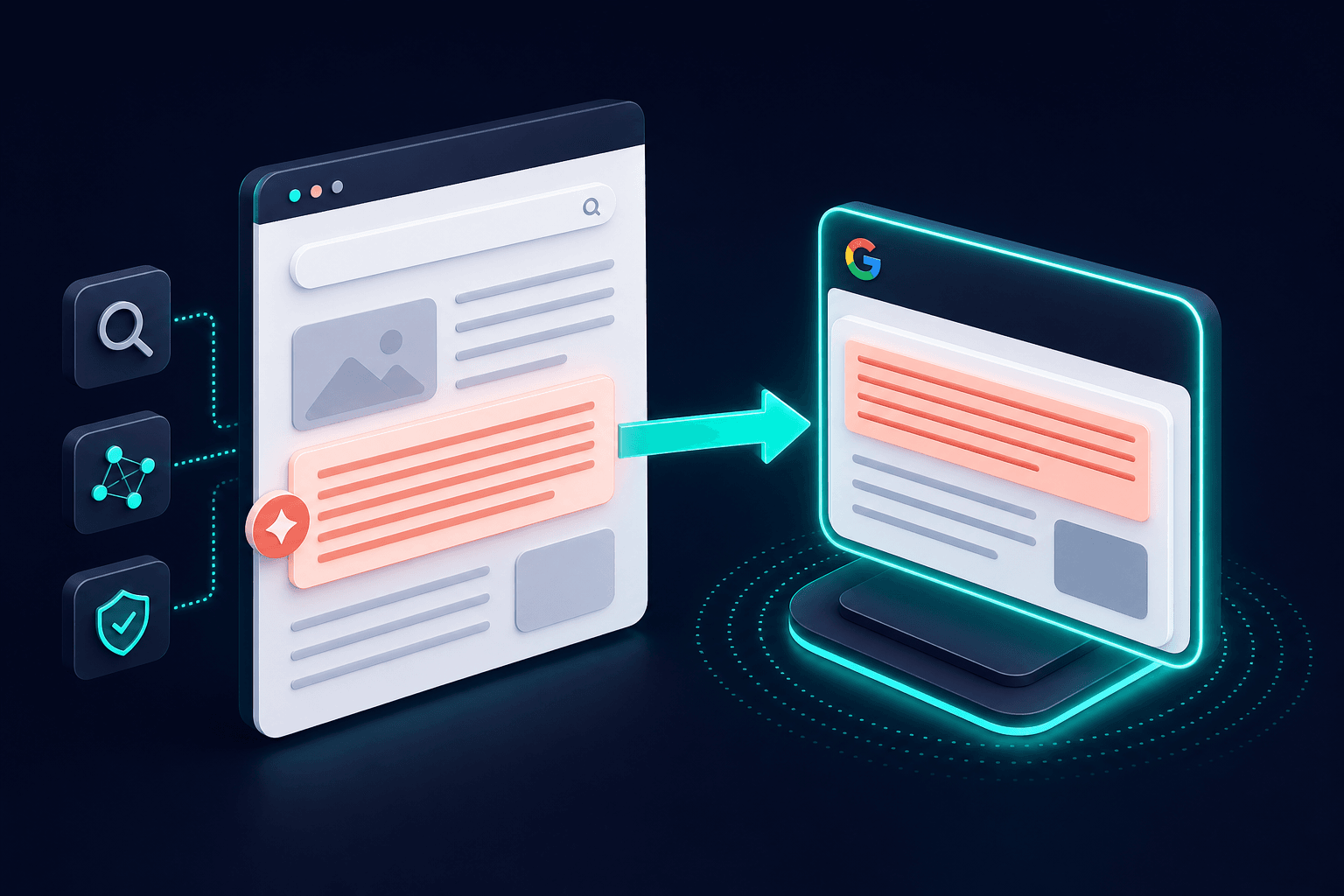
Traditional featured snippets display a direct excerpt from a single high-ranking page.
How AI Snippets Work Across Major Engines
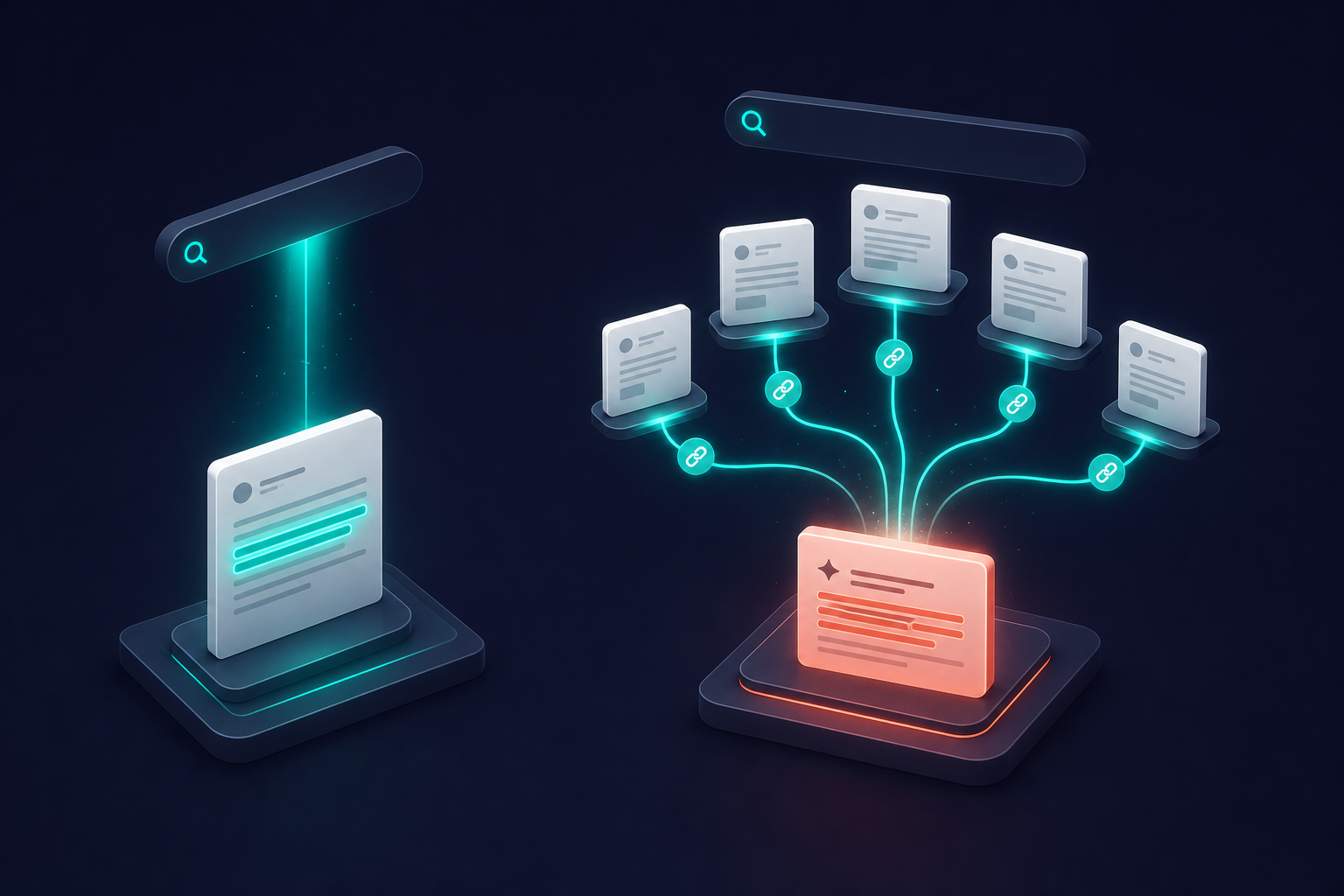
Google AI Overviews now show on 47 to 58 percent of searches and combine information from five or more sources into a single generated paragraph or list. Perplexity displays three to five numbered citations for every answer and prefers concise lists or comparison tables. Claude pulls short extracts of about 25 words per source and places inline citations next to each fact. ChatGPT varies more widely; when web search is active it cites sources less consistently than Perplexity but still favors clear, self-contained answer blocks of 50 to 150 words. Each engine retrieves live content first, then assembles a new response rather than quoting any one page verbatim.

AI Overviews synthesize information from multiple sources into a new response.
Extraction Versus Synthesis: The Fundamental Split
Featured snippets operate on a copy-and-display model. The engine identifies the best matching paragraph or list on one page and surfaces it. AI snippets follow a retrieve-then-rewrite model. They gather relevant passages from several pages, resolve conflicts, and produce fresh wording that reflects the combined information. This means your exact phrasing may never appear in an AI answer even if your site supplies key facts. The shift rewards content that breaks ideas into small, reusable chunks instead of long narrative blocks.
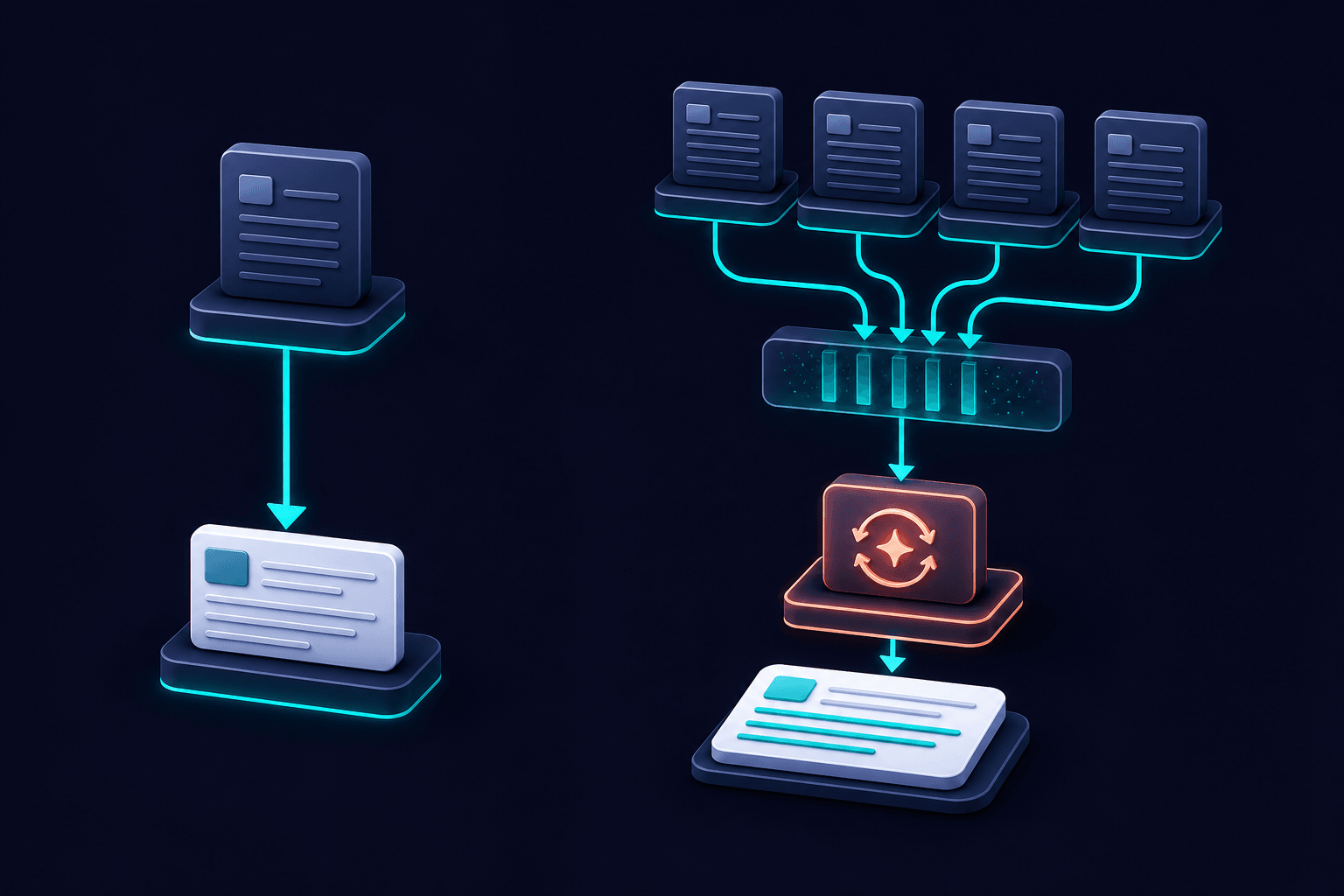
Extraction copies text directly; synthesis gathers and rewrites from multiple sources.
Length, Format, and Citation Patterns
Traditional snippets stay short and static. AI Overviews run longer and include lists, images, or small tables when the query supports them. Perplexity and Claude make source links prominent so users can click through. Google AI Overviews list sources at the bottom or inline. Pages that already win featured snippets see roughly 60 percent higher odds of citation inside these AI summaries because the same clear, authoritative passages serve both systems. Conversational queries and comparison questions trigger the biggest differences in how much content each engine uses.
Why Snippet-Optimized Pages Win More AI Citations
Content structured for featured snippets already answers the question up front, uses short paragraphs, and includes scannable lists or tables. Those same traits make the material easy for AI engines to locate and reuse. Google itself notes that standard SEO practices continue to support generative features, so the work you do for Position Zero directly feeds AI visibility. The reverse is not always true: content written only for AI synthesis may lack the tight focus needed to capture a traditional snippet.
Practical Optimization Steps That Serve Both Systems
Lead every page with the direct answer in the first 100 to 200 words. Break longer explanations into 50- to 60-word answer blocks that stand alone. Use descriptive headings that match how people phrase questions in AI tools. Add FAQ sections with clear question-and-answer pairs. Include comparison tables and numbered lists where the topic fits. Maintain strong E-E-A-T signals through author bios, original data, and citations to other reputable sources. Submit standard schema such as FAQPage or Article markup; no special AI-only schema is required. Test your own pages by prompting the major engines with the exact questions your customers ask.
Common Mistakes That Reduce Visibility in AI Results
Many sites still bury the answer deep in long paragraphs or rely on dense blocks of text. Others chase every new acronym while ignoring basic on-page clarity. Over-optimizing for one engine can hurt the others; for example, writing only ultra-short extracts may miss the richer synthesis that Google AI Overviews reward. Ignoring mobile formatting or slow load times also limits how reliably any engine can read and trust your content.
Run the same question through Google, Perplexity, and ChatGPT today. Note which sites appear and how much of your own wording shows up.
Key Takeaways
- Write the answer in the first paragraph so both snippet systems and AI engines can grab it quickly.
- Break content into short, self-contained sections of 50-150 words that work as standalone extracts.
- Use lists, tables, and numbered steps to match the formats AI tools prefer.
- Keep standard FAQ and Article schema in place; it helps both traditional snippets and generative answers.
- Track citations directly in Perplexity and Google AI Overviews instead of relying only on ranking reports.
FAQ
Do featured snippets still matter if AI Overviews are taking over?
Yes. Featured snippets continue to appear on about one in five queries and pages that win them show higher citation rates inside AI Overviews. The same clear structure serves both formats.
How long should my answers be for AI search engines?
Aim for 50- to 150-word blocks that answer one question completely. Perplexity and ChatGPT both favor these self-contained units over long unbroken text.
Is there special schema I need for AI snippets?
No new schema types are required. Standard FAQPage, Article, and HowTo markup continue to help both Google snippets and AI engines understand your content.
What is the fastest way to test whether my content appears in AI results?
Type the exact questions your customers ask into Google, Perplexity, Claude, and ChatGPT. Compare the sources and formats each engine chooses.
Related on L3ad Solutions
Or start with a free AI visibility check
Does AI Recommend You?
See if ChatGPT, Gemini, Grok, and Claude name your business. Free, emailed in minutes.