


AI Search Ranking Factors in 2026
Learn the real ranking factors that get small US businesses cited in ChatGPT, Perplexity, Claude, and Google AI Overviews. Focus on schema, entity clarity, authority, and freshness.
Updated May 27, 2026 · 8 min read
Table of Contents
TL;DR: AI search engines in 2026 cite sources based on domain authority, clear entity signals, structured data, and recent updates more than traditional keywords. Schema like Article, FAQPage, and Organization with sameAs links helps models extract and trust content. Fresh pages updated within the last two to three years outperform older ones. Small businesses win by building consistent brand mentions across trusted sites and formatting content for easy passage extraction.
Small and mid-size US business owners face a new reality. Traditional Google rankings no longer guarantee visibility when customers ask ChatGPT or Perplexity for recommendations. These tools synthesize answers from multiple sources and cite only the ones they trust most. The difference between getting named and getting ignored comes down to specific signals that AI models evaluate today.
How AI Engines Decide What to Cite
ChatGPT and similar tools pull from indexed web pages but apply their own filters. Research from 2026 shows domain authority remains the strongest single predictor of citations, with a high statistical weight in analyses of millions of pages. Perplexity emphasizes freshness and real-time authority signals. Google AI Overviews often draw from top organic results but add preference for structured, extractable content. Claude favors clear explanations from recognized sources. The overlap between platforms stays low. Only about 11 percent of domains appear in both ChatGPT and Perplexity results. This means owners must optimize across signals rather than chase one ranking.

AI engines evaluate domain authority, freshness, and structured data when selecting citations.
Entity Clarity Comes First
AI models need to know exactly who you are before they will name you. Entity optimization means creating consistent references to your business across the web. Use Organization schema on your homepage and About page. Add sameAs properties that point to your Wikipedia entry, Wikidata page, LinkedIn company profile, and Crunchbase listing. Person schema on author bios reinforces expertise when you publish content. Inconsistent name spellings or missing external links create confusion that reduces citation chances. Small businesses that maintain one clear brand identity across directories and press mentions see better pickup in answers about their industry.
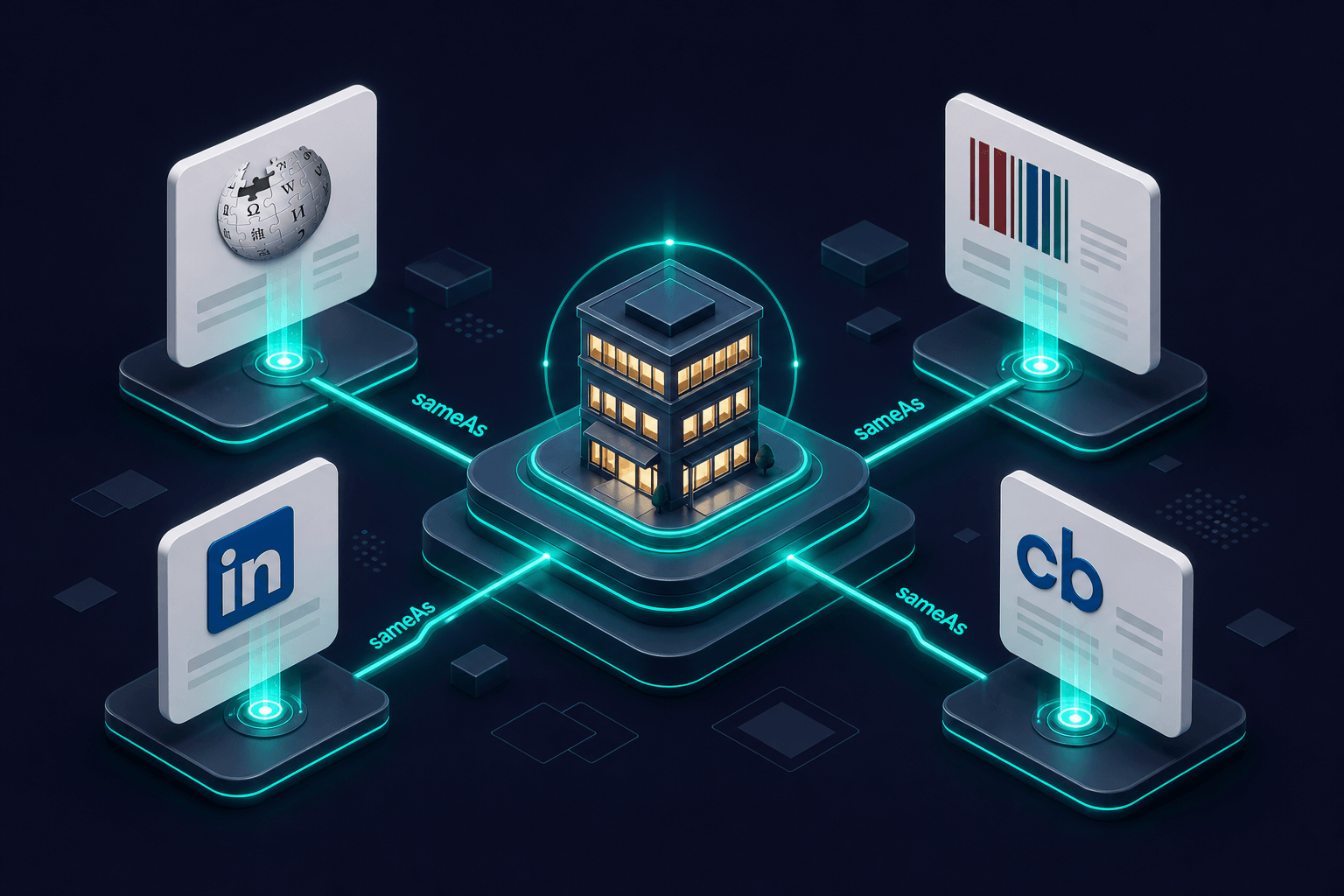
Consistent entity signals and sameAs links across trusted sources help AI models clearly identify and cite a business.
Schema Types That Drive Citations
Structured data gives AI direct instructions on content meaning. Article or BlogPosting schema with author name, datePublished, and dateModified stands out in tests. FAQPage schema shows strong results for question-based queries because models can lift the exact question-answer pairs. HowTo schema works well for step-by-step advice. Organization schema with logo, address, and sameAs links establishes the business entity. Review and AggregateRating schema adds trust signals when appropriate. Implementation matters. Place the JSON-LD in the head or body of relevant pages and validate it. Sites using these types see higher rates of direct extraction into AI responses compared with plain HTML alone.
Authority Signals AI Actually Values
Backlinks from high domain rating sites still help, but AI weighs them differently than older algorithms. Mentions on Reddit, Quora, and industry publications carry extra weight because models frequently reference community and expert discussions. Expert authorship with bylines and bios strengthens E-E-A-T signals. Third-party reviews and case studies published on trusted domains increase the odds of citation. Ahrefs analysis of millions of citations found that recently updated high-authority pages dominate. Building a steady stream of mentions through guest posts, interviews, and data-backed reports produces more reliable results than chasing volume alone.
Freshness and Update Practices
AI engines show clear preference for current information. One large-scale review found the average cited page had been updated roughly 909 days prior, versus over 1,000 days for standard search results. This gap highlights the value of regular refreshes. Add new statistics, revise examples, or expand sections with recent developments. Update the dateModified field in schema each time. For topics that move quickly, such as technology or regulations, schedule quarterly reviews. Pages that stay static for years lose ground even if they once ranked well. Small businesses can maintain freshness without rewriting entire articles by adding short update notes or new data points at the top.
Structure Content for Direct Extraction
Models pull short, self-contained passages more readily than long blocks of text. Use clear question-style headings. Lead sections with a one-sentence answer when possible. Include comparison tables, numbered lists, and bullet points for steps or features. Define key terms on first use. Source every statistic or claim to an external reference. These formats let AI copy exact language into answers without heavy rewriting. Content that reads like a definitive reference on a narrow topic outperforms broad overviews. Test your own pages by prompting different AI tools with your target questions and noting whether your site appears.
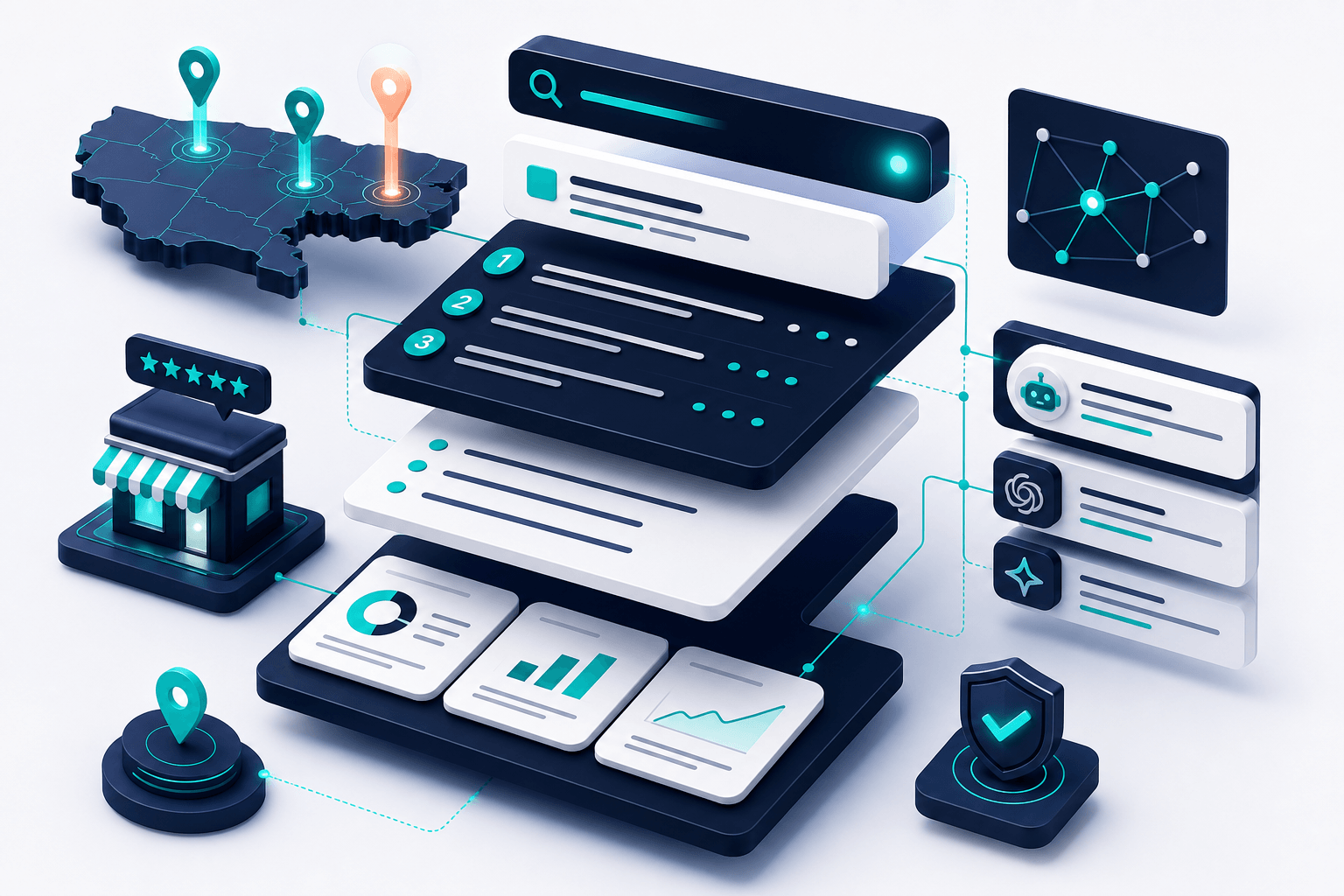
Clear headings, lists, and sourced claims make content easier for AI models to extract.
Practical Steps for US Small Businesses
Start with an entity audit. Check every major directory and profile for name consistency and add missing sameAs links. Implement core schema on key pages. Publish or refresh one authoritative piece of content monthly that includes original data or expert quotes. Track brand mentions in AI responses using free prompt testing across ChatGPT, Perplexity, and Gemini. L3ad Solutions helps owners apply these exact tactics through targeted AI search optimization work. Focus efforts on the topics where customers already ask questions rather than trying to cover everything at once.
Pages left untouched for more than two years show measurably lower citation rates across major AI platforms.
Key Takeaways
- Audit your Organization and Person schema plus sameAs links this week.
- Add FAQPage or HowTo schema to at least three high-intent pages.
- Refresh one existing article with new data and an updated dateModified value each month.
- Secure mentions on two to three authoritative external sites quarterly.
- Test target prompts in ChatGPT and Perplexity monthly to measure citation progress.
FAQ
Does traditional SEO still matter for AI search?
Yes. Strong domain authority and organic visibility form the foundation. AI tools still start from indexed pages that rank well on traditional engines before applying their own filters.
How long does it take to see AI citation improvements?
Most businesses notice measurable changes within 60 to 90 days after consistent schema updates, entity fixes, and content refreshes. Results vary by industry competition and existing authority.
Should I focus on one AI platform first?
Start with Perplexity and Google AI Overviews for quickest feedback because they show sources clearly. Then expand testing to ChatGPT and Claude.
Is paid advertising required for AI visibility?
No. Organic signals like schema, entity consistency, and content quality drive most citations. Paid placements rarely transfer to generative answers.
Related on L3ad Solutions
Or start with a free AI visibility check
Does AI Recommend You?
See if ChatGPT, Gemini, Grok, and Claude name your business. Free, emailed in minutes.