
Optimize for Google's Knowledge Graph in 2026
Learn specific tactics to strengthen your brand entity in Google's Knowledge Graph and adjacent AI systems like ChatGPT and Perplexity. Get cited more often in AI answers.
Updated June 24, 2026 · 7 min read
Table of Contents
TL;DR: Google cleaned its Knowledge Graph in 2025 by removing billions of ambiguous entities to favor clear ones. Businesses succeed by creating an entity home page, adding Organization schema, earning mentions on Wikipedia and industry sites, and structuring content with FAQ and HowTo markup. AI engines like Perplexity cite Reddit and community sources heavily while ChatGPT leans on Wikipedia. Consistent signals across your site and the web increase the odds of appearing in AI responses and knowledge panels.
Small and mid-size business owners now compete not just for traditional rankings but for a spot inside the knowledge graphs that power AI answers. Google's Knowledge Graph and similar systems in ChatGPT, Claude, and Perplexity decide which brands get named when users ask direct questions. If your entity is unclear or missing key signals, you stay invisible even with strong content.
The 2025 cleanup removed billions of low-quality entities, including a 77 percent drop in event records and many ambiguous person and thing entries. Google now prioritizes unified, well-defined entities backed by consistent data. This shift rewards businesses that treat their brand as a distinct node with clear relationships to other facts.
The payoff shows up in zero-click answers and AI overviews. Brands that land in the graph appear in summaries, get suggested in follow-up questions, and build trust faster than those relying only on page rankings.
Build your entity home page first
Start with one dedicated page that defines exactly who you are, what you do, and who you serve. Google calls this the point of reconciliation. Place it on your About page or a new /about-us section and make the HTML crystal clear with proper headings and plain text.
List your official name, founding date, key people, main offerings, and target customers in straightforward sentences. Add links to your other profiles and mention notable clients or partnerships. Keep the language consistent with every other page on your site.
This page becomes the central reference point that search engines and AI models check when they encounter your brand elsewhere. Without it, conflicting signals from directories or old press releases can keep you out of the graph.
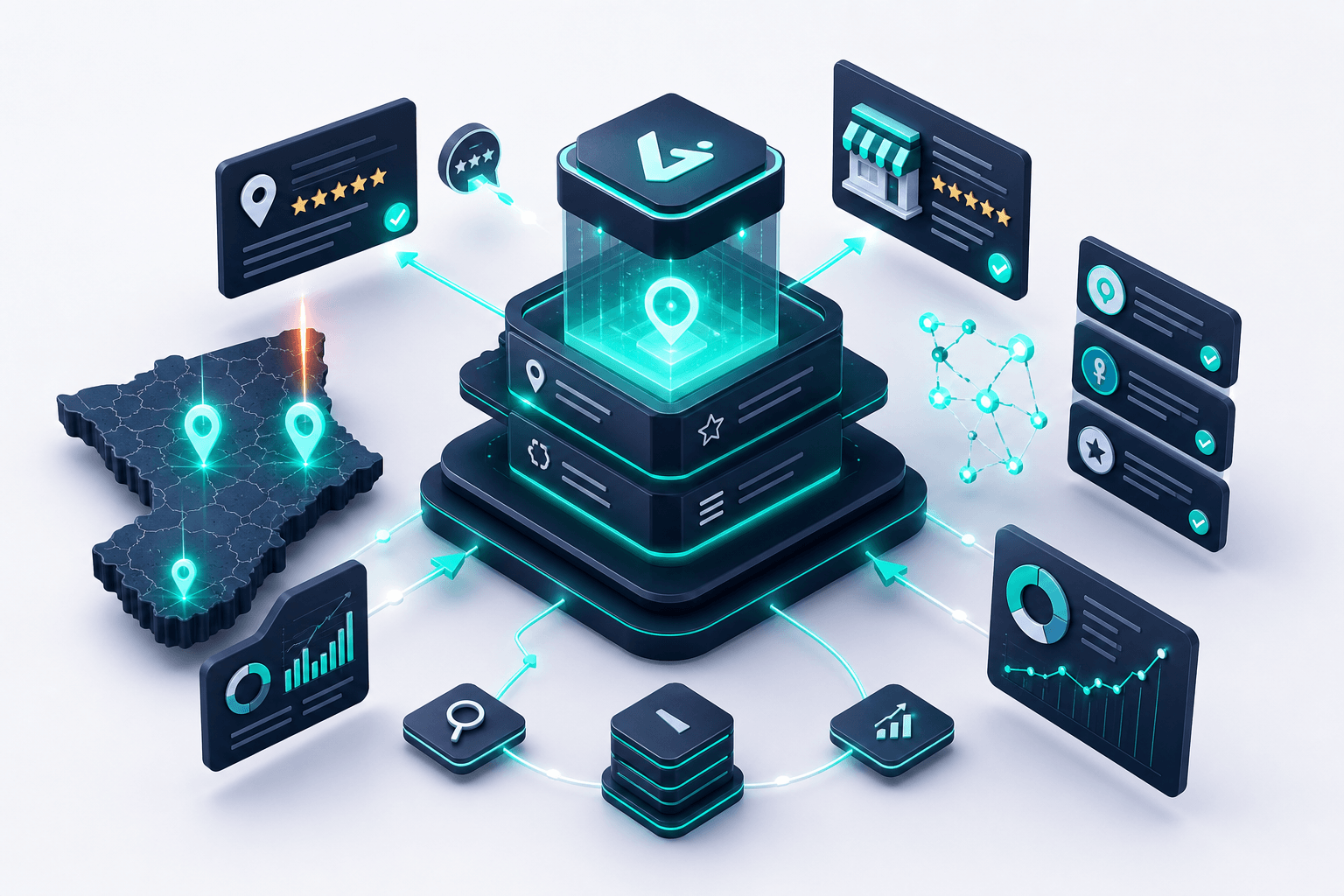
Your entity home page serves as the central reference point for search engines and AI models.
Add Organization schema and nest related markup
Implement Organization or LocalBusiness schema on your homepage and entity home page. Include name, logo, contact details, address, founding date, and sameAs links to your Wikipedia page, LinkedIn, and other authoritative profiles.
Nest FAQPage, HowTo, and Article schema inside content pages where relevant. Recent tests show FAQPage markup drives the highest citation rates in AI responses because models can extract direct answers quickly.
Use Product schema with explicit attributes like material, dimensions, and use cases on e-commerce pages. Schema nesting helps AI systems understand relationships between your brand and the topics you cover, which matters more than ever after Google's 2025 clarity updates.

Nested schema helps AI systems understand relationships between your brand and topics.
Claim and maintain your Google Knowledge Panel
Search for your brand on Google and look for the knowledge panel on the right. Click the three dots and follow the verification steps to claim ownership. Once verified, you can suggest corrections and add missing details directly.
Keep the panel updated with current hours, photos, and descriptions that match your entity home page. Inconsistent information across the panel and your website creates the kind of ambiguity Google removed during its 2025 cleanup.
Businesses that actively manage their panel see higher inclusion rates in both traditional results and AI-generated answers that pull from the Knowledge Graph.
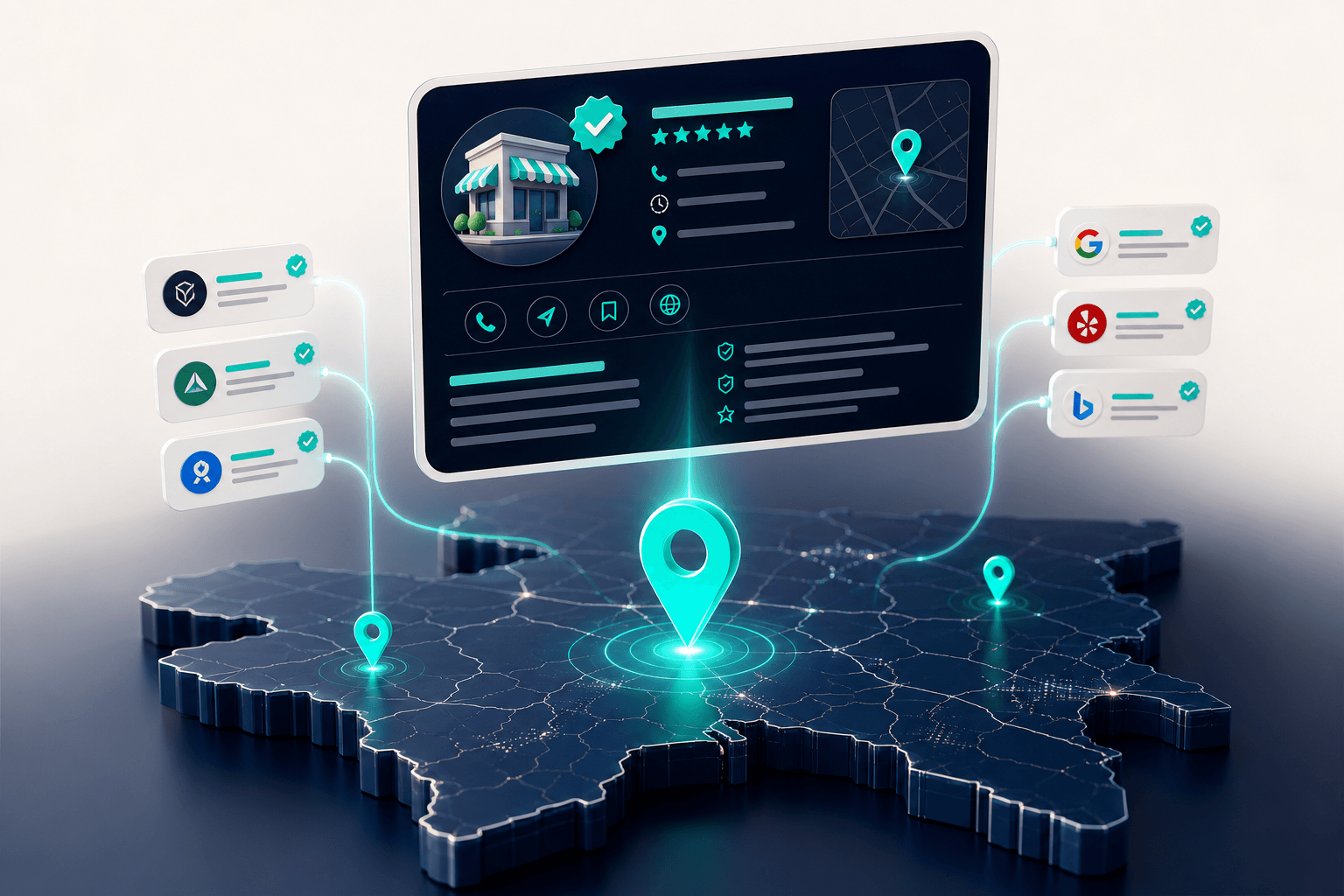
Actively managing your knowledge panel improves inclusion in both traditional and AI-generated results.
Earn mentions on trusted third-party sources
AI engines pull heavily from Wikipedia, Reddit, and established industry directories. If you meet notability guidelines, create or update a Wikipedia page with verifiable facts and citations. Perplexity in particular cites Reddit threads and community sources at high rates, so participate in relevant discussions with clear, factual comments.
Secure listings on Crunchbase, industry association directories, and news sites that carry structured data. Each new high-quality mention strengthens the connections around your entity.
Avoid spammy directory submissions. Focus on sources that already appear frequently in AI citations according to 2026 studies tracking over a million responses.
Structure content for direct extraction
Write short, self-contained sections that start with the answer. Use clear H2 and H3 headings and keep paragraphs under four sentences when possible. Add a one-sentence TLDR under major headings so AI models can quote them without reading the full page.
Include explicit entity references such as brand name, key people, and relationships to other concepts. For example, state that a specific product solves a named problem for a defined customer type.
This format matches how models break pages into passages for retrieval. Content that reads like a reference entry gets reused more often in synthesized answers from ChatGPT and Google AI Overviews.
Create content hubs that map entity relationships
Build pillar pages around core entities like your main service or product category. Link supporting cluster articles that explain sub-topics, attributes, and use cases. Internal links should reflect real relationships rather than random topical connections.
A hub structure tells AI systems how your offerings connect to each other and to customer needs. This mirrors the way knowledge graphs organize information and improves the chance your pages get traversed together.
Update hubs regularly with fresh data points and examples. Freshness signals help maintain relevance after major graph cleanups like the one Google performed in 2025.
Monitor citations across AI platforms
Test queries in ChatGPT, Perplexity, Claude, and Google AI Overviews on a regular schedule. Note which of your pages or third-party mentions appear in responses. ChatGPT often cites Wikipedia and authoritative domains first, while Perplexity surfaces Reddit and forum content more readily.
Google AI Overviews show the strongest preference for established brand entities, with nearly 60 percent of citations going to recognizable names in recent analyses. Track whether your entity appears and adjust schema or external mentions accordingly.
Set up alerts for brand mentions and review your knowledge panel monthly to catch drift before it hurts visibility.
Consistent real-world mentions and a clear entity home page matter more than perfect markup. AI systems cross-check multiple signals before adding an entity to the graph.
Key Takeaways
- Create one entity home page that clearly defines your brand, offerings, and customers in plain language.
- Add Organization schema on key pages and nest FAQPage or HowTo markup where answers live.
- Claim your Google Knowledge Panel and keep it synchronized with your website data.
- Earn mentions on Wikipedia, Reddit, and trusted directories that AI engines already cite heavily.
- Write concise, answer-first sections with explicit entity references so models can extract and attribute them easily.
FAQ
How long does it take to appear in Google's Knowledge Graph?
Most businesses see initial panel or citation improvements within 4 to 8 weeks after adding schema and an entity home page. Full integration often requires 3 to 6 months of consistent external mentions.
Do I need a Wikipedia page to rank in AI answers?
A Wikipedia page helps but is not required for every business. Strong Organization schema, consistent directory listings, and high-quality third-party coverage can achieve similar results when Wikipedia criteria are not met.
What schema types matter most for AI search in 2026?
Organization or LocalBusiness schema forms the foundation. FAQPage and HowTo markup deliver the highest citation rates because they provide ready-to-extract answers. Product schema helps e-commerce brands with attribute clarity.
How do I check if my brand is already in the Knowledge Graph?
Search your exact brand name on Google and look for a knowledge panel on desktop results. Test the same query in Perplexity and ChatGPT to see whether your entity or content surfaces in AI responses.