



Hurricane Preparedness for Florida Businesses
A hurricane plan for Florida businesses that protects people, property, data, and your Google presence: checklist, insurance, and after-storm updates.
Updated June 25, 2026 · 14 min read
Table of Contents
• Hurricane preparedness protects people, property, data, and online visibility. • Nearly 40% of small businesses closing for 24 hours never reopen. • A written plan, current insurance, and quick Google Business Profile updates support recovery.
What Are the Key Takeaways?
-
Hurricane preparedness plans must cover physical safety, business continuity, and customer communication across all channels.
-
The Atlantic hurricane season runs June 1 through November 30. Even "below-normal" forecast years produce multi-billion-dollar losses.
-
Updating your Google Business Profile, website notices, and social channels quickly after a storm passes captures the post-storm surge in demand.
-
A written business continuity plan, off-site backups, and clear claims process documentation greatly improve recovery odds.
-
90% of smaller companies fail within a year after a disaster if they lack preparation.
How Does Hurricane Season Actually Impact Small Businesses Across The US?
How Does Hurricane Season Timing Affect Florida Businesses?
Hurricane season begins June 1 and runs through November 30. This year, NOAA's 2026 outlook calls for a below-normal season: a 55% chance of below-normal activity, 8 to 14 named storms, and 3 to 6 hurricanes, with a developing El Niño expected to suppress storm formation.
Here's the honest read on that forecast: below-normal years are exactly when businesses skip preparation. NOAA still gives the Florida Peninsula an 11% probability of at least one major hurricane landfall this season, and the Gulf Coast 14%. Ask Fort Myers about Ian or Panama City about Michael. It only takes one storm, and quiet forecasts have a habit of producing the storm nobody prepared for.
-
The 2024 Atlantic hurricane season had 18 named storms, 11 hurricanes, and 5 major hurricanes (sustained winds of 111+ mph).
-
Total US weather disaster costs in 2024 exceeded $182.7 billion across 27 billion-dollar events.
-
Hurricane Sandy caused over $88.5 billion in damages in 2012. Hurricane Katrina remains one of the costliest natural disasters in US history.
-
FEMA data shows nearly 40% of businesses that shut down for 24 hours never reopen. Small businesses within 50 miles of the shoreline face even higher risks.
-
Typical impacts include multi-day power outages, flooded storefronts, damaged inventory, supply chain delays, and lost visibility when online listings go out of date.
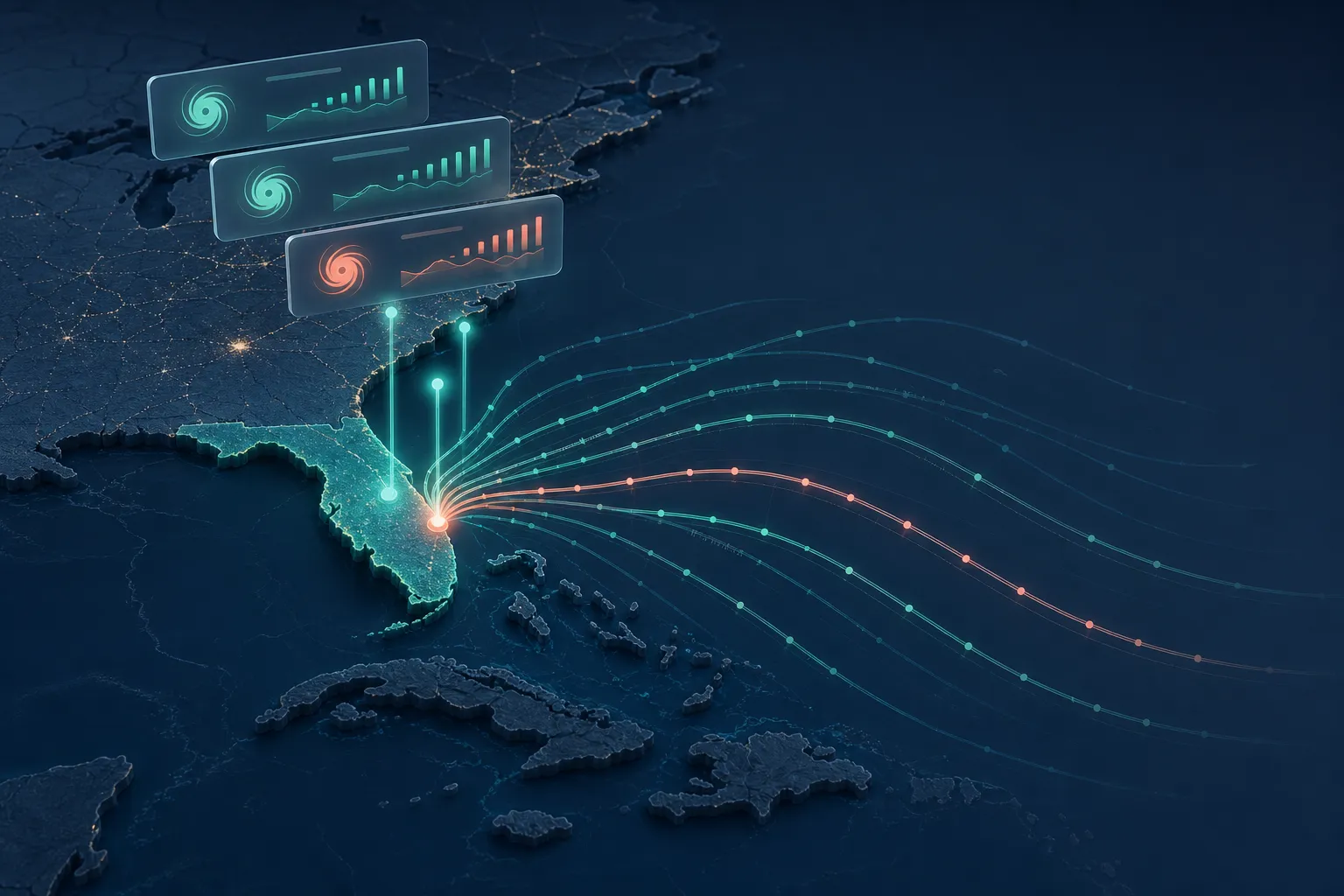
Hurricane season runs June through November and affects businesses across the Southeast.
How Can You Assess Your Business's Hurricane Risk Before The Season Begins?
Complete your risk review by early May, before hurricane season begins in June, and keep it up to date annually.
-
Use FEMA's Flood Map Service Center and local county resources to check flood zones, storm surge maps, and evacuation routes near your location.
-
Identify which building areas, vehicles, and storage are most exposed to wind, flooding, and blocked access roads.
-
Assess digital risks: server location, single-office Wi-Fi dependence, lack of backup for POS and phone systems.
-
Note that flood insurance is often excluded from commercial property policies. The average waiting period for flood coverage is 30 days, so don't wait until a storm is forecast.
-
Create a one-page risk summary ranking threats (flood, wind, power loss, data loss) as high, medium, or low.
How Should You Build A Hurricane-Specific Emergency Response Plan?
Your plan's first priority is employee and customer safety. A two-phase approach to preparedness includes planning well ahead and rapid execution when a storm threatens.
-
During a hurricane watch (24 to 48 hours out), begin securing the building, backing up data, and notifying workers.
-
During a hurricane warning (12 to 24 hours), execute shutdown procedures, follow instructions from local authorities, and confirm evacuation orders if issued.
-
Assign roles: who monitors National Hurricane Center updates, who secures doors and windows, who leads the final walk-through.
-
Emergency supplies should be stockpiled for onsite employees before hurricanes: water, non perishable food, battery radios, flashlights, phone chargers, and first aid supplies. Every location needs a first aid kit.
-
Document step-by-step shutdown procedures for computers, refrigeration, gas lines, and sensitive equipment. Print checklists.
-
Backup power sources should be tested and maintained for emergency readiness. Run a 30-minute drill at least once a year so staff know what to do.
How Do You Create A Business Continuity Plan That Works After A Hurricane?
A business continuity plan is a written guide for how your company keeps running during and after a disaster. It's what separates businesses that recover in days from those that close permanently.
-
Map out "minimum viable operations": which essential services can you offer within 72 hours with limited power or staff?
-
Employing remote work policies ensures operational continuity during disasters. Set up cloud-based phones, cloud POS, and remote access to important documents.
-
Choose an alternate operating location outside flood zones, like another branch or shared workspace.
-
Regularly back up essential business files to secure data integrity. Use cloud providers with multi-factor authentication.
-
Review this plan each spring with your accountant and insurance company to align adequate coverage with continuity goals.
How Can You Protect Your Property And Critical Assets Before A Storm Hits?
Enhancing facility security can mitigate hurricane damage significantly. Start inspections each April.
-
Inspect your roof, doors, and windows. Older flat roofs and roll-up doors on small warehouses are especially vulnerable to high winds.
-
Confirm availability of hurricane shutters, sandbags, and surge protectors for electronics.
-
Move inventory, vehicles, and equipment above expected flood levels 24 to 48 hours before expected landfall. Prepare for several days without power.
-
Photograph and video all rooms, equipment, and stock before the storm. Documenting damage thoroughly aids in insurance claims processing.
-
Secure exterior signs, propane tanks, dumpsters, and loose outdoor furniture to reduce risks of further damage and protect nearby power lines.
How Should You Handle Insurance, Important Documents, And The Claims Process?
Up-to-date insurance policies are crucial for business recovery post-storm. Insurance isn't just about property repair. It supports long-term business continuity.
-
Review property, wind, and flood insurance coverage with your agent by April. Commercial property insurance may exclude hurricane damage without riders. Confirm deductibles and named storm clauses in writing.
-
Business interruption coverage helps pay ongoing expenses during shutdowns. Add or revisit this coverage before the season.
-
Store important documents in waterproof containers and digital formats: insurance policies, leases, payroll records, equipment serial numbers, and pre-storm photos.
-
Create a claims playbook with carrier phone numbers, policy numbers, and step-by-step tasks for the first 72 hours.
-
Log damage with time-stamped photos and keep receipts for temporary repairs, generators, and debris removal to safeguard your claims process.
How Do You Keep Employees, Customers, And Vendors In The Loop Before And After A Hurricane?
Establish a communication plan to maintain contact with stakeholders during emergencies. Clear communication keeps your community informed and your recovery on track.
-
Build a contact tree with cell numbers, personal emails, and preferred messaging apps for all employees.
-
Pre-write template messages for hurricane watch, hurricane warning, closure notice, and "we're back open" updates.
-
Capture customer emails and SMS opt-ins year-round so you can send status updates during any event.
-
Update voicemail greetings with real-time info about closures, reduced hours, or temporary locations.
-
Coordinate with key vendors on backup delivery plans and expected delays. Keep customer promises realistic.
How Should You Prepare Your Online Presence And Marketing Before Hurricane Season?
As a business owner in Brevard County, Florida, I've watched companies lose weeks of revenue not because of storm damage, but because customers couldn't find them online afterward. Here's how to prepare your business on the digital side.
-
Confirm ownership of your Google Business Profile and set up managers who can update hours fast. Consider GBP management if you don't have staff for it.
-
Pre-write "temporarily closed" and "reopening" posts for Google, Facebook, and Instagram. Publish in minutes, not hours.
-
Add an emergency banner feature to your site through professional web design so you can highlight storm status and safety measures.
-
Back up website files and verify uptime monitoring. Use a page speed analyzer when traffic spikes after reopening.
-
Check your baseline visibility now with local SEO fundamentals and a free local SEO audit.
How Do You Use Google Business Profile During Hurricane Watch, Warning, And Reopening?
This is the marketing prep nobody writes about, and it matters more than most safety measures for your bottom line.
-
During a hurricane watch, add an update on Google Business Profile outlining potential closures and contact info.
-
When a hurricane warning is issued, adjust hours to "temporarily closed" with a short note about expected reopen date.
-
Never mark your listing as permanently closed unless you truly aren't reopening. This destroys local search visibility and is very hard to reverse.
-
After the storm passes, the first businesses that flip hours back to "open" and post photos capture the post-storm surge in search traffic. Speed matters.
-
Review the Google Business Profile guide for setup details.
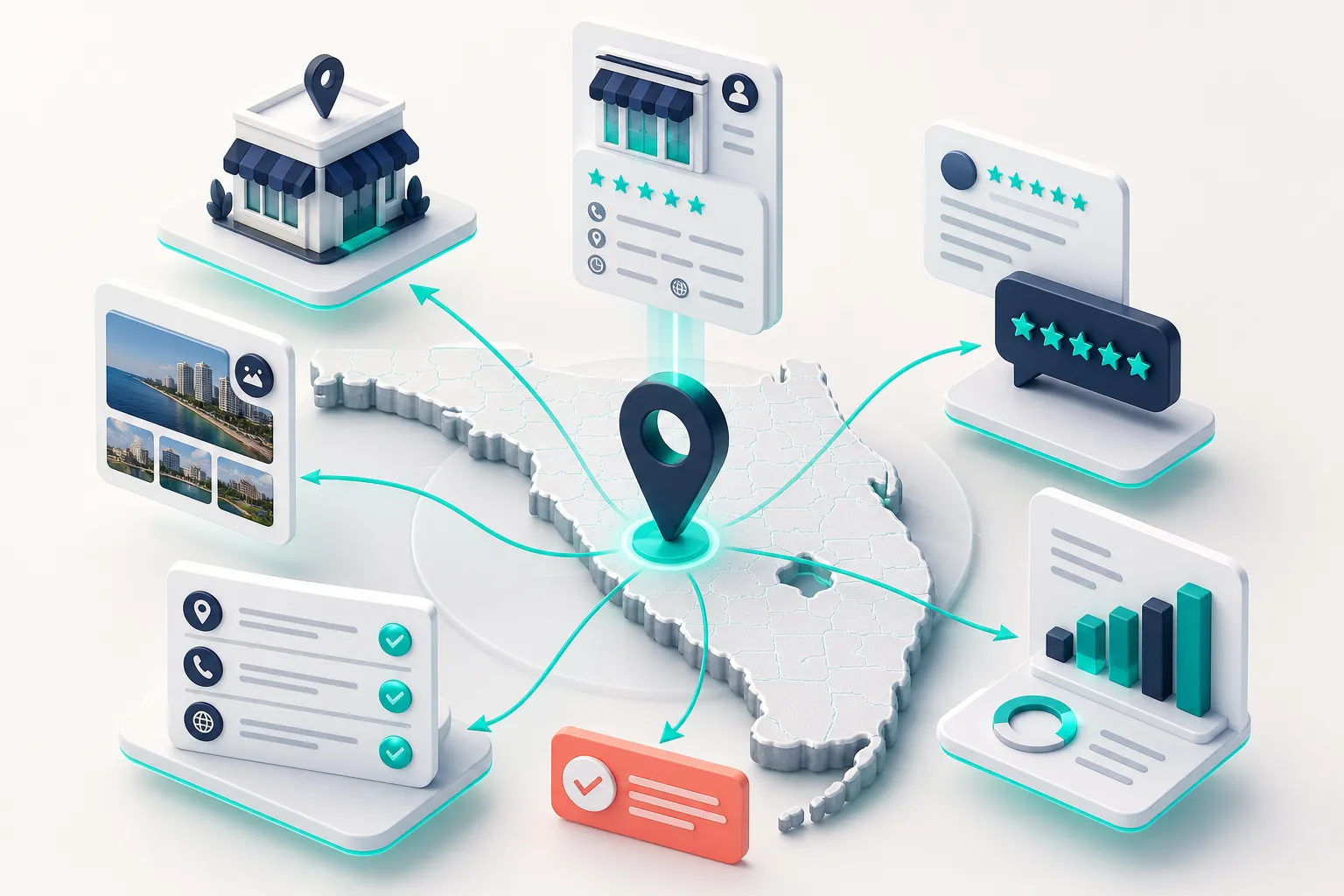
Fast GBP updates help customers find you immediately after a storm.
How Can Your Website, Reviews, And Online Reputation Support Post-Storm Recovery?
Your online reputation is a recovery tool. Customers check reviews and websites before visiting after a storm.
-
Create a dedicated "storm updates" page on your website. Reuse it every hurricane season with current info.
-
Post real photos of repairs, cleaned interiors, and updated safety measures so customers see you're ready for business.
-
Ask loyal customers for honest reviews about how you handled communication and service. Follow the local reviews playbook for timing and approach.
-
Keep NAP (name, address, phone) consistent across directories. Check yours with a citation consistency check.
-
Businesses in storm-prone states can study data from the Florida Local Search Index to understand how local rankings shift after major weather events.
How Should You Plan For Post-Storm Demand Spikes And Opportunistic Operators In Your Market?
After a major landfall, service providers see massive call spikes within 7 to 10 days. The businesses that show up first in search results win. Out-of-town operators know this too.
-
Legitimate local businesses should update sites, GBP, and ads before the storm so they appear ahead of temporary operators. See the local SEO fundamentals and related industry resources.
-
Publish a "how to avoid post-hurricane scams" checklist on your blog. Share it on social media.
-
Highlight licenses, permits, insurance proof, and years in the community on your website and Google profile.
-
Transparent monthly pricing and clear written estimates help separate real local businesses from temporary operators. Be the verifiable local option.
How Can A Hurricane-Season Marketing Plan Keep Revenue Flowing Without Feeling Opportunistic?
Keep it honest. Focus on helping, not selling.
-
Use a three-phase calendar: preseason education (May through June), in-season safety updates (July through October), and post-storm service focus (within 2 weeks of landfall).
-
Preseason content: blog posts on hurricane preparedness tips for customers, emergency contact magnets, and checklists for your industry.
-
During active storms, message around safety, reliability, and clear expectations. Skip discounts and hard selling.
-
Use email, SMS, and social media marketing to announce priority scheduling and honest wait times as demand rebounds. Pair with digital marketing services for broader reach.
-
Want a custom plan? Get in touch for a free audit that includes hurricane-season messaging ideas.
How Does L3ad Solutions Help Storm-State Businesses Prepare Their Marketing For Hurricane Season?
L3ad Solutions is headquartered in Brevard County, Florida, where we board up like everyone else, and we build hurricane-ready sites, listings, and campaigns for US small businesses. We've seen firsthand how prepared businesses recover faster, across Florida and the Gulf Coast.
-
We set up emergency banners on websites, configure Google Business Profile for fast status changes, and prepare email templates before June.
-
Clients see faster post-storm recovery when search visibility and conversion-focused web design are in place before peak season.
-
Review real client results and client case studies to see how a prepared online presence supports resilience and recovery.
-
All services are month-to-month with no long-term contracts, which fits businesses facing unpredictable hurricane risks.
Tap a question to expand.
How Early Should I Start Hurricane Preparedness For My Business Each Year?
What's The Minimum Emergency Kit I Need At My Business Location?
How Do I Prioritize Budget Between Property Upgrades And Marketing Prep?
What If My Staff Is Scattered Or Working Remotely After A Storm?
Can A Small Business Handle This Planning Alone, Or Do I Need Outside Help?
Or start with a free AI visibility check
Does AI Recommend You?
See if ChatGPT, Gemini, Grok, and Claude name your business. Free report by email.