

Quotable Content Patterns AI Engines Actually Cite
Learn the exact structural patterns that make small business content quotable by ChatGPT, Claude, Perplexity, and Gemini in 2026. Build content that gets pulled into AI answers directly.
Updated June 28, 2026 · 12 min read
Table of Contents
TL;DR: AI engines pull content that follows clear patterns: short self-contained definitions, sourced statistics in plain sentences, bulleted lists with one idea per line, and direct answers at the top of sections. ChatGPT favors encyclopedic and consensus sources while Claude cites bullet-heavy structured pages 30 percent more often. Perplexity rewards real-time definitive statements and official documentation. Small businesses that format content this way see more verbatim citations across platforms.
Small business owners keep hearing that AI search changes everything. The real shift is simpler than most guides claim. AI engines do not read like humans. They scan for patterns they can lift and drop into answers with minimal rewriting.
Content that gets cited follows repeatable structures. These patterns show up again and again in what ChatGPT, Claude, Perplexity, and Gemini actually quote. Generic long-form posts rarely make the cut. Tight, scannable blocks do.
The good news is these patterns are straightforward to copy. They do not require new tools or secret markup. They require writing with the machine reader in mind while still serving people.
Start with the direct answer
Place the complete answer in the first one or two sentences of a section. AI engines favor this inverted structure because it reduces the work of extracting the point.
Perplexity responses often begin with a definitive statement pulled straight from the top of a page. ChatGPT does the same when it needs a quick consensus fact.
Test this on your own site. Rewrite the first paragraph of a service page to answer the main question outright. Then check how the page appears in AI tools over the next few weeks.
Use one-idea bullet lists
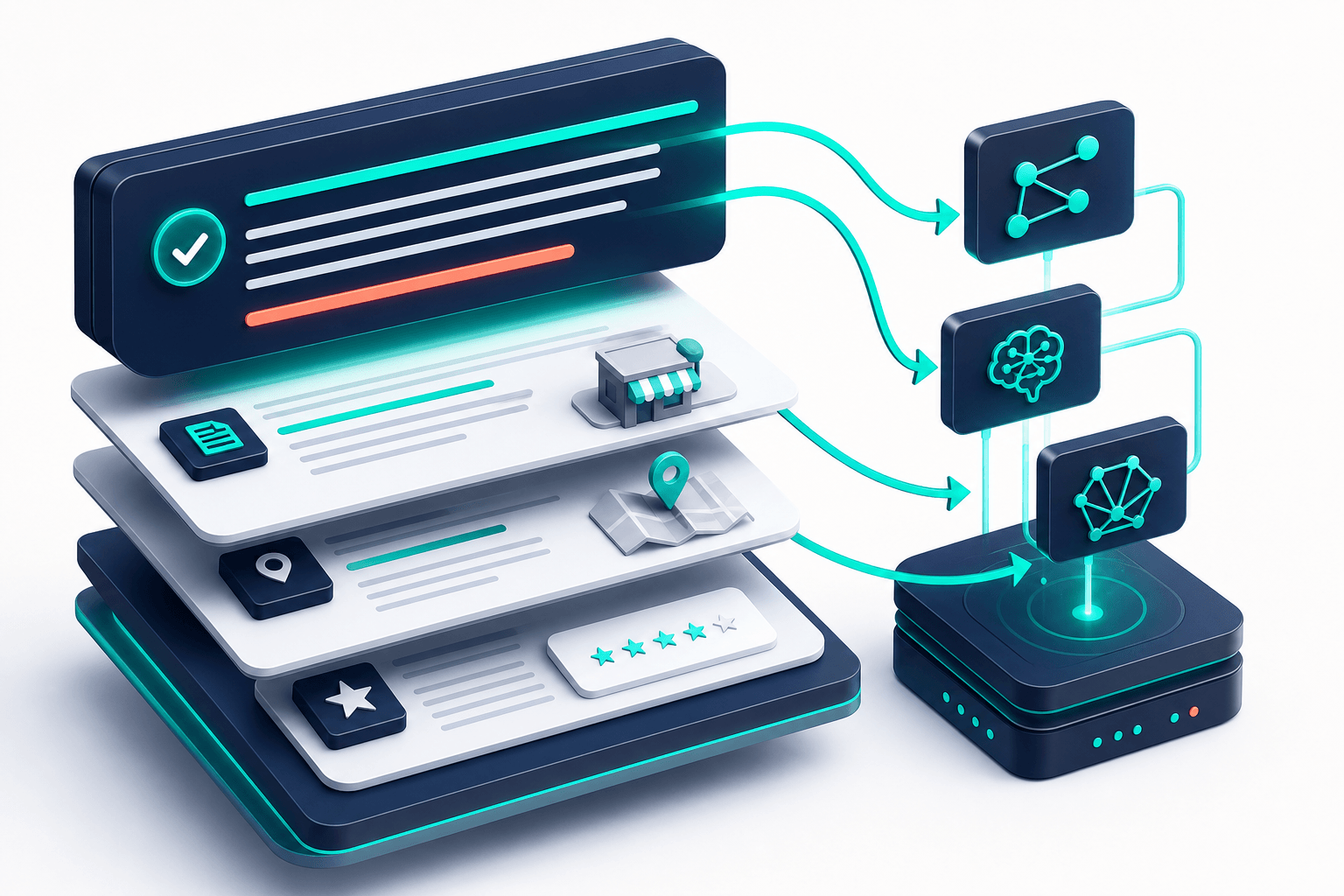
Claude is 30 percent more likely to cite pages that use clear bullet points according to platform analysis from early 2026. Each bullet should hold exactly one complete thought.
Bad example: Long paragraphs that mix benefits, pricing, and steps.
Good example: Separate bullets for each benefit. Separate bullets for each step. This format matches how retrieval systems break down text for synthesis.
Small businesses that switched service pages to this style reported more direct quotes in Claude and Gemini outputs within a month.

Add sourced statistics in full sentences
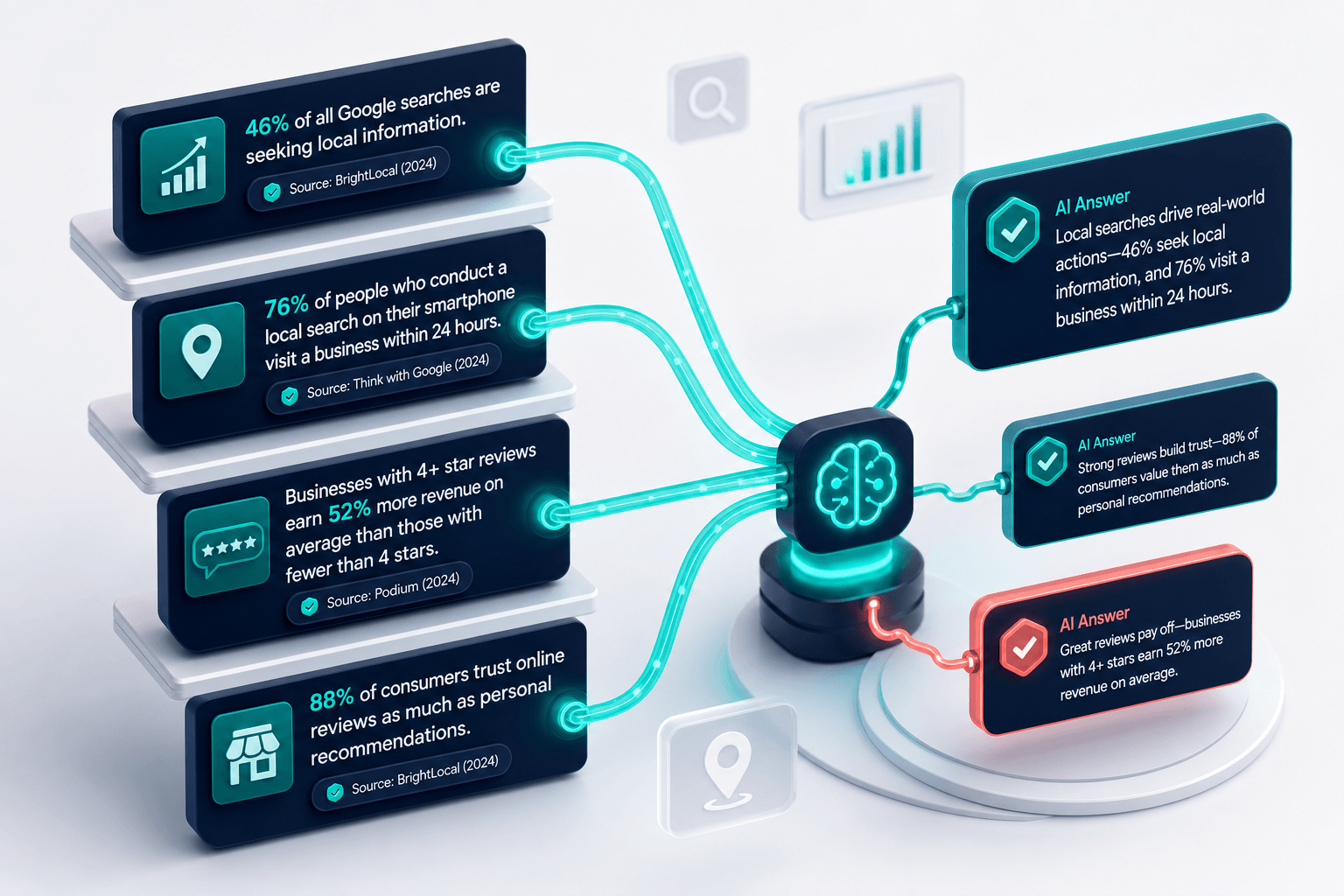
AI engines trust numbers that carry a clear source. Write them as complete sentences rather than fragments or tables alone.
Example: According to 2026 citation studies, brand websites appear in 59 percent of Google AI Overview sources while ChatGPT pulls more from news and community sites.
Place the statistic near related context so the engine can see the connection. Avoid burying numbers in image captions or footnotes that parsers often skip.
Create self-contained definitions
Write a one-sentence definition for every key term you use. Put it right after the first mention.
These blocks travel well. Perplexity and ChatGPT both pull short definitional text when users ask what a term means in context.
Keep the sentence under 25 words. Include who the definition applies to when relevant. This prevents the engine from mixing your meaning with others.
Attribute expert quotes properly
Include short quotes from named experts or your own documented experience. Add the person's title and the date or context.
AI systems treat attributed statements as higher authority signals than anonymous claims. Claude and Gemini both surface these more often than plain text.
Limit quotes to two or three sentences. Anything longer gets summarized instead of quoted verbatim.
Structure comparisons in tight tables or lists
Comparison pages rank high for citation when the format is simple. Use two-column lists or short tables with clear headers.
Perplexity especially favors side-by-side breakdowns of tools or options because users ask direct comparison questions daily.
Label each row or bullet with the exact criteria being compared. This helps the engine map the content to query variations.
End sections with a single takeaway sentence
Close each major section with one plain sentence that restates the key point. This creates another quotable block.
Google AI Overviews and ChatGPT both pull these summary lines when they need a concise wrap-up for the user.
Avoid adding new information in the final sentence. Keep it to a restatement only.
Google states that special AI schema or llms.txt files are not required. Standard structured data like FAQ and Organization still helps machines understand content context.
- Rewrite the first paragraph of every key page to give the direct answer in one or two sentences.
- Convert dense paragraphs into one-idea bullets on service and comparison pages.
- Add at least one sourced statistic per major section in a full sentence.
- Write one-sentence definitions for every term that a customer might ask an AI about.
- Attribute every quote with name, title, and context so engines can verify it.
Tap a question to expand.