

How to Get Cited by Gemini
Learn exactly how Gemini and Google AI Overviews pick sources in 2026. Practical steps for small US businesses to earn citations without gimmicks.
Updated June 8, 2026 · 9 min read
Table of Contents
TL;DR: Gemini powers most Google AI Overviews and often skips clickable citations in over 90 percent of answers. Pages that answer questions early, use clear structure, and show real expertise get pulled more often. Fresh content and third-party mentions from strong domains raise your odds. Traditional SEO still forms the base. Focus on being the clearest, most current answer on your topic.
Small business owners keep asking why their site ranks on page one yet never shows up when customers ask Gemini or Google a question. The gap comes down to how these systems select and stitch sources together. Gemini draws from training data plus live search results, but it favors pages that deliver precise, early answers with strong signals of trust. AI Overviews now average around 15 citations per response after recent model updates, up from about 11 before. That shift rewards depth and freshness over old tricks.
Understand How Gemini Picks Sources
Gemini runs on the same model family as AI Overviews. Studies from early 2026 show it provides clickable citations in only 8 percent of answers. Most responses pull from a mix of high-authority domains and recent content. Wikipedia, major news sites, and established industry pages still dominate, but newer domains can break in when they offer original data or clear comparisons. One analysis found 42 percent of previously cited domains dropped after Gemini 3 rolled out, replaced by fresher sources. The lesson is simple. You earn a spot by becoming one of the clearest voices on a specific question, not by chasing every ranking factor at once.

Gemini prioritizes clear, authoritative sources that deliver precise answers early in the page.
Start With Strong Core SEO
Google has stated outright that AEO and GEO remain part of regular SEO. No special llms.txt file or AI-only markup changes the outcome for its systems. Get the basics right first. Rank in the top ten organic results for target queries, since 76 percent of AI Overview citations come from pages already in those positions. Keep pages technically sound so Google can crawl and index them without issues. Update dates, fix broken links, and maintain a clean site map. These steps create the foundation that later lets Gemini notice and trust your content.
Structure Content So AI Can Extract It Fast
Citations in AI Overviews come from the first 30 percent of a page 55 percent of the time. Lead with the direct answer in the opening paragraph or two. Use short paragraphs, question-based headings, and bullet lists that mirror how people actually ask questions. Tables work well for comparisons because they let the model pull exact numbers without guessing. One study showed pages with structured comparison tables earned 58 percent more citations on competitive queries. Refresh numbers and examples regularly to signal freshness. Add a clear last-updated date so both users and the model see the content stays current.
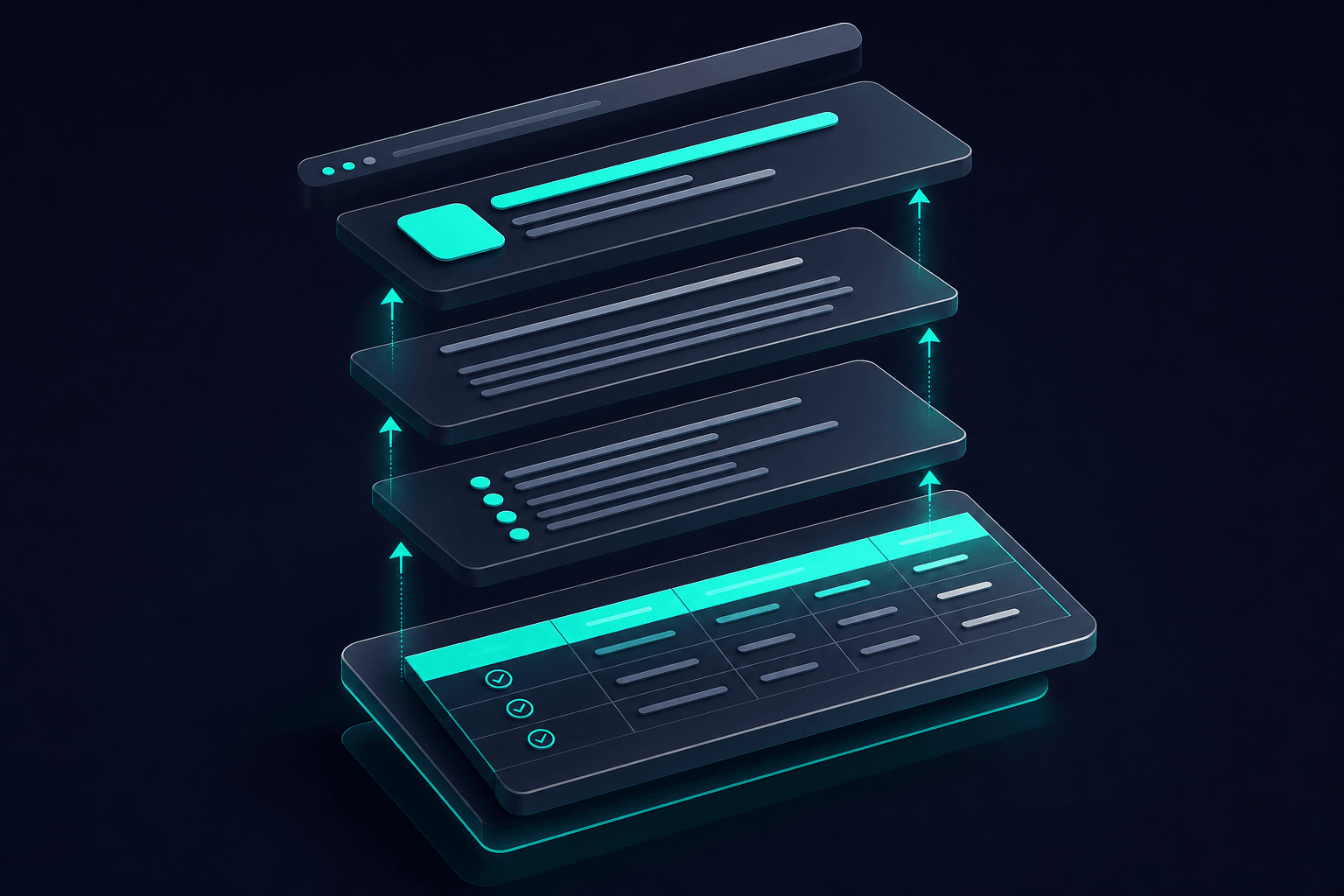
Structured formats like comparison tables and question headings help AI systems extract and cite your content more reliably.
Build E-E-A-T Signals Gemini Recognizes
Experience, expertise, authoritativeness, and trust still matter. Show real author bios with credentials. Include original research, customer data, or case studies that no one else has. Third-party mentions from established publications boost visibility. Brands with strong earned media appear far more often than those relying only on their own site. Gemini and AI Overviews reward pages that feel like the single best source on a topic. When your content covers the question so thoroughly that the model can build most of its answer from it, citation becomes likely.
Use Schema That Helps Without Overcomplicating
Google says no special schema is required for generative features. Still, standard structured data improves how systems parse your pages. FAQPage, HowTo, and Article schemas help on relevant content. Organization and Person schemas strengthen brand and author signals. Combine them logically on the same page rather than stacking unrelated types. The goal is clearer entity understanding, not new tricks. Many sites see better extraction rates after adding these where they fit naturally.
Earn Mentions Beyond Your Own Site
AI engines pull heavily from third-party sources. Getting quoted or linked in reputable publications, industry roundups, or local business directories raises your profile. YouTube videos also see heavy citation in some Google results, so consider video versions of key answers. Track where competitors get mentioned and pursue similar coverage. This outside validation carries more weight than on-site changes alone. Small businesses that combine strong on-site content with consistent external mentions see the fastest movement into citations.

Third-party mentions from established publications and directories significantly increase the likelihood of Gemini citations.
Track Results and Iterate
Monitor when your pages appear in AI Overviews or Gemini answers using free browser tools or manual checks. Note which queries trigger citations and what format the winning content uses. Test small updates like moving the answer higher or adding a comparison table, then watch for changes over weeks. Keep a simple log of citation patterns. This feedback loop turns guesswork into steady improvement without waiting for perfect data.
Gemini still generates many answers without pulling fresh web data at all. Your content must already sit in its training signals or rank strongly to appear.
Key Takeaways
- Lead every key page with the clearest answer to the main question.
- Keep top pages updated with fresh examples and a visible date.
- Add standard FAQ or HowTo schema where it fits the content.
- Pursue mentions in established publications and directories.
- Measure citations directly instead of guessing from rankings alone.
FAQ
Does Gemini always show links to sources?
No. Research shows clickable citations appear in only about 8 percent of Gemini answers. Many responses blend information without direct links, which makes strong on-site clarity even more important.
Will special AI-only files or markup help me get cited?
Google has said no. Tactics like llms.txt files or custom AI schema are not required and do not receive special treatment in its systems. Stick to proven SEO and clear content structure.
How many sources does a typical AI Overview cite now?
Recent data shows an average of about 15 sources per overview after Gemini 3 updates. That increase gives more room for well-structured pages to earn a spot.
Should I focus only on Gemini or also on other AI engines?
Start with Gemini and AI Overviews since they share the same model family. Strong signals here often help across ChatGPT, Perplexity, and Claude because authority and clarity translate.