



Generative Engine Optimization Checklist
Run this Generative Engine Optimization Checklist yourself to get your small business cited in ChatGPT, Perplexity, Claude, and Gemini answers. Practical steps that work in 2026.
Updated June 14, 2026 · 8 min read
Table of Contents
TL;DR: Generative Engine Optimization helps your content appear inside AI answers instead of just traditional search results. Small business owners can improve citations by making content easy for models to extract, updating it often, and adding clear facts and structure. ChatGPT favors authoritative sources with good organization while Perplexity leans toward recent material and community discussions. Follow the checks below to audit your site and content in one focused session.
Most small and mid-size business owners still focus only on Google rankings. That approach misses how people now get answers from ChatGPT, Claude, Perplexity, Gemini, and Bing Copilot. These systems pull from multiple sources and often quote or name specific pages right in the response. If your content never gets selected, you lose visibility even when your site ranks well elsewhere.
Check AI Crawler Access First
Start by confirming AI systems can reach your pages. Open your robots.txt file and look for any lines that block GPTBot, PerplexityBot, ClaudeBot, or Google-Extended. Remove blocks on important content. Test a few key pages with a simple browser request to make sure they load without login walls or heavy JavaScript that hides text. Server-side rendering helps here because models read the delivered HTML directly. Many sites accidentally block fresh crawlers through CDN settings. Fix those limits before moving on.

AI crawlers require clear, unblocked access to structured content before optimization can succeed.
Build Extractable Content Structure
AI models pull short, clear sections more reliably than long paragraphs. Place a direct 40 to 80 word answer near the top of each important page. Use question-style H2 headings that match how owners actually phrase searches. Follow each heading with a short factual response. Add numbered lists and simple tables for steps or comparisons. Perplexity often cites pages with these clear formats because they reduce parsing effort. ChatGPT shows similar preference for structured FAQ style blocks that stand alone.
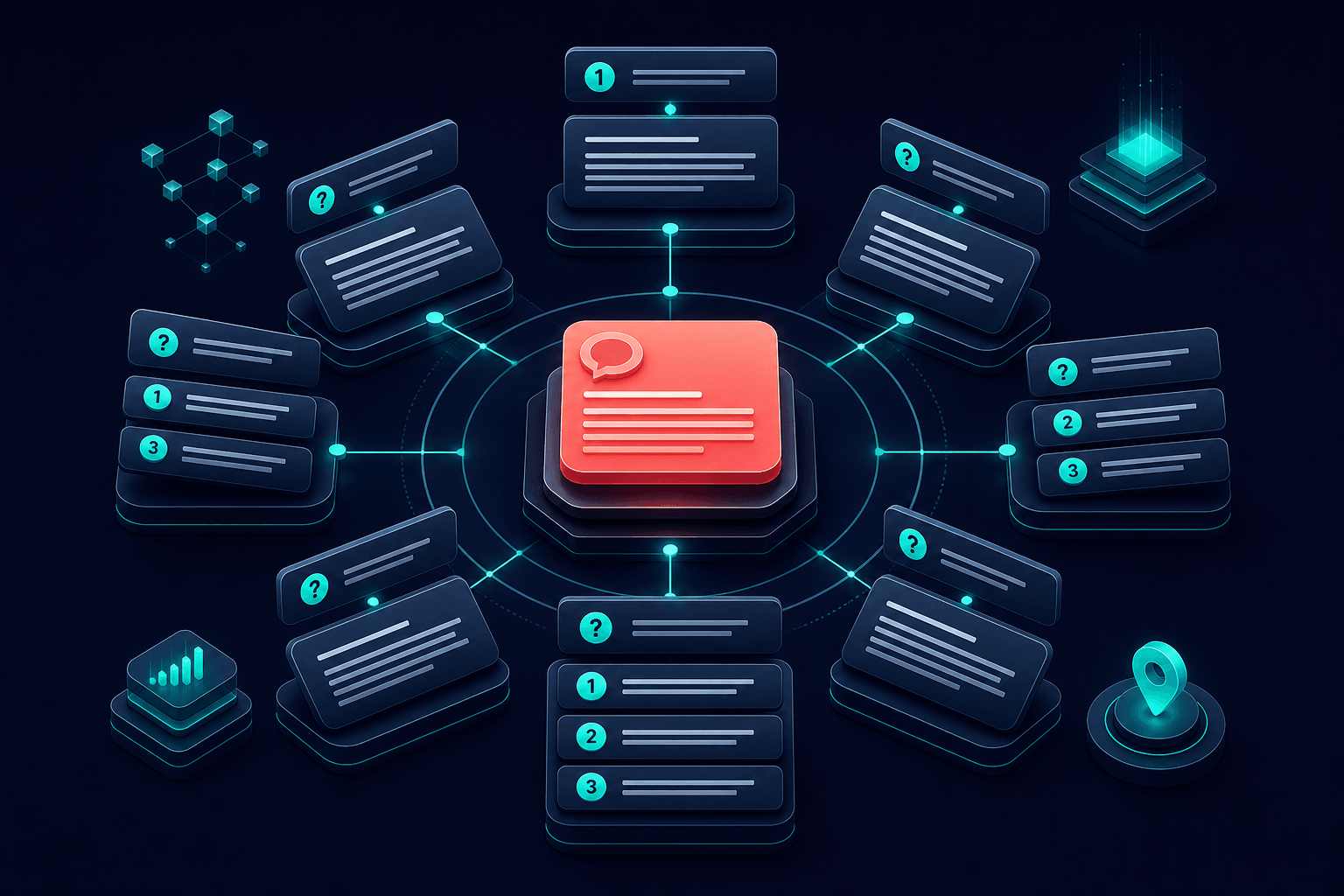
Clear structure helps AI models extract and cite your content more reliably.
Add Specific Statistics and Data Points
Models cite content with concrete numbers more often than general statements. Replace vague claims with exact figures from your own work or public sources. For example, note the exact percentage of businesses that see traffic shifts after certain changes instead of saying most do. Include the year or month of each data point so recency is obvious. Perplexity weights recent statistics heavily and shows lower duplication rates than traditional search, giving newer precise data a better shot at citation. Update these numbers quarterly.

Concrete, dated statistics dramatically increase the likelihood of citation by generative engines.
Strengthen Entity Clarity and Sourcing
State your business name, main services, and key locations exactly the same way on every page. Link to authoritative references like industry standards or Wikipedia entries for related concepts. Claude favors content that shows clear expertise through consistent naming and proper attribution. Keep service descriptions identical across the site so models do not split your identity. This consistency helps across engines because citation overlap between platforms sits near 11 percent in recent analyses.
Create and Maintain FAQ Sections
Add a dedicated FAQ area on core pages using the exact questions your customers type into AI tools. Answer each one in two to four sentences. Format as plain Q and A pairs rather than relying only on special markup. ChatGPT pulls from well-organized FAQ content at high rates. Perplexity cites conversational threads and clear answers from forums and sites that mirror real user language. Review these sections monthly and refresh any answers that no longer match current offerings.
Keep Content Fresh for Recency Signals
Perplexity and similar tools prioritize material published or updated in the past twelve months. Add a visible last-updated date on every major page. Revise statistics, add new examples, and note industry shifts at least once per quarter. Older pages that stay static drop in citation frequency even if they once performed well. This habit costs little time yet directly addresses how several engines rank sources for live queries.
Test Prompts and Track Citations
Run the same questions through ChatGPT, Perplexity, Claude, and Gemini every few weeks. Note which of your pages or facts appear and in what context. Check whether the AI names your business specifically or quotes a sentence. Record the results in a simple spreadsheet. Low overlap between engines means you need presence on multiple platforms rather than one. Adjust structure or data on pages that rarely surface.
Perplexity references about 7.3 domains per answer on average while ChatGPT uses closer to 5.0. More citation slots exist on some platforms.
Standard Organization and FAQPage markup still aids machine understanding even when no special AI-only schema is required.
- Audit robots.txt and page loading for AI bots before optimizing anything else.
- Lead pages with a short direct answer and follow question headings with concise facts.
- Include dated statistics and tables so models can quote exact details easily.
- Keep business names and service descriptions identical across the entire site.
- Refresh key pages quarterly with new data and examples to match recency preferences.
Tap a question to expand.
How long does it take to see results from Generative Engine Optimization?
Do I still need traditional SEO if I focus on AI search?
Should I create an llms.txt file?
How many pages should a small business optimize first?
Related on L3ad Solutions
Or start with a free AI visibility check
Does AI Recommend You?
See if ChatGPT, Gemini, Grok, and Claude name your business. Free report by email.