

AI Search vs Traditional SEO: What Changes
See what still drives results in AI search like ChatGPT and Perplexity versus classic Google rankings. Practical guide for US business owners on citations, structure, and a dual approach that works in 2026.
Updated May 25, 2026 · 5 min read
Table of Contents
TL;DR: AI search and traditional SEO share the same foundation in quality content and authority signals. The big shift is from chasing clicks and rankings to earning direct citations inside conversational answers. Platforms differ in what they pull: Perplexity favors real-time primary sources and Reddit while ChatGPT leans on Wikipedia and established authorities. Businesses that add clear structure, entity focus, and answer-first sections see faster visibility gains across both old and new engines.
Small and mid-size business owners face a real question right now. Google still sends the bulk of search traffic, yet more people turn to ChatGPT, Claude, Perplexity, and Gemini for direct answers. The result is fewer clicks on traditional results and more pressure to show up inside those AI summaries.
Traditional SEO built sites to rank high and earn visits. AI search rewards sites that supply clean, citable facts an engine can quote or reference. The good news is the overlap stays large. Core ranking factors like expertise and technical health continue to matter. The new work centers on making content easy for machines to extract and trust.
You'll see which parts hold steady, which elements gained weight, and which tactics lost steam, drawn from how the major AI platforms actually cite sources today, so you can focus effort where it counts.
The Heavy Overlap That Still Works
Both approaches rest on the same signals. Experience, expertise, authoritativeness, and trustworthiness remain the baseline. Engines still scan for clear entities, consistent brand mentions, and strong topical coverage across a site.
Backlinks keep value when they come from relevant, high-quality sources rather than volume alone. Technical health such as fast load times, mobile readiness, and proper indexing matters for discovery in both Google and the crawlers feeding AI models.
Content depth helps everywhere. Thin keyword pages get ignored faster now. Pillar-style coverage of a topic with supporting detail performs better for rankings and for citation selection.

Core signals like expertise and technical health support visibility in both traditional search and AI answers.
What AI Search Added to the Mix
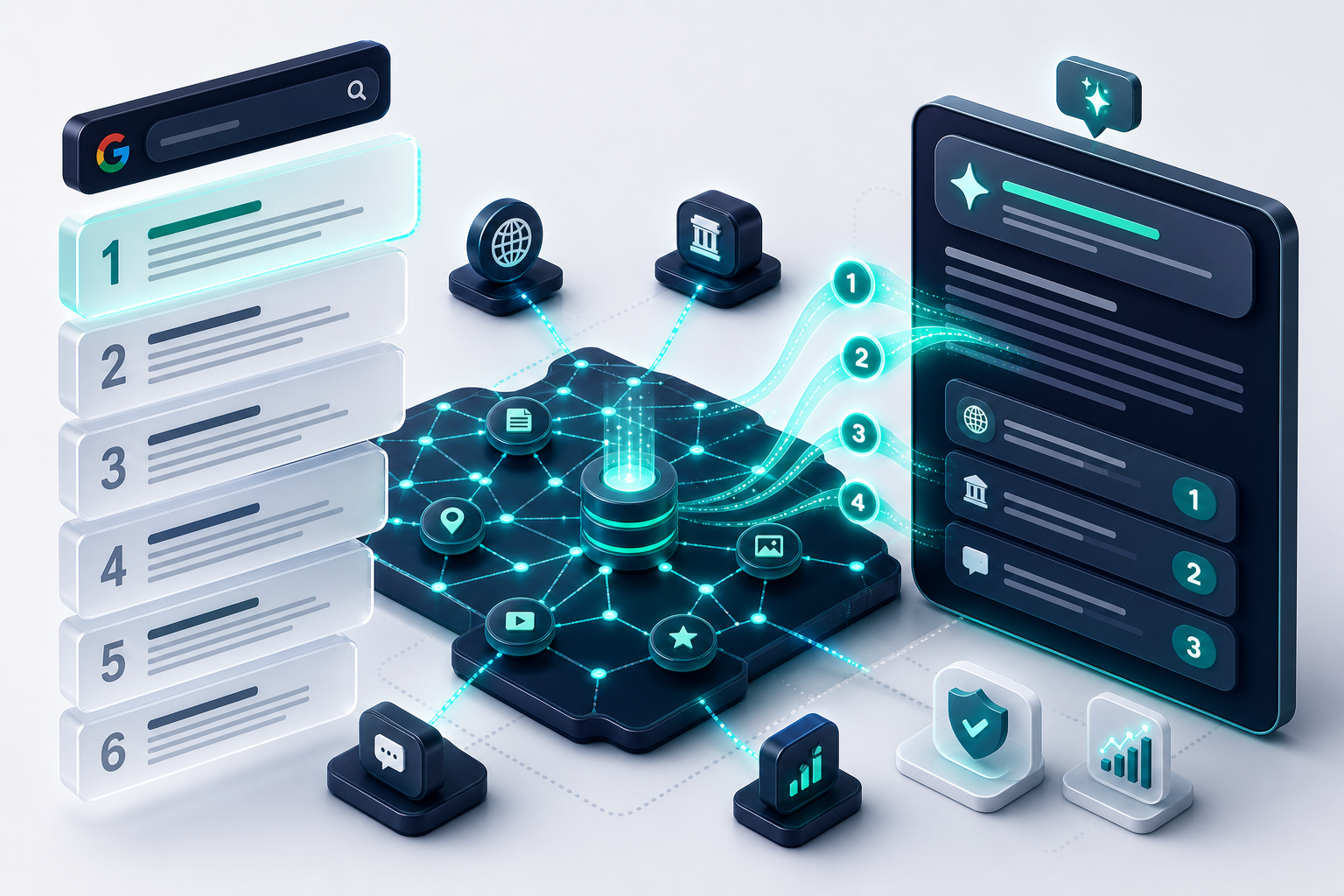
The surface area changed. Traditional SEO targets one blue link in a list. AI search picks sources to build a single synthesized answer. Success now includes citation frequency and share of voice across platforms.
Answer extraction favors specific formats. Lead with the direct answer in plain language. Follow with supporting points in short paragraphs, bullets, or numbered steps. Standalone sections let engines pull one piece without the whole page.
Third-party presence grew in importance. Many citations trace back to Reddit threads, YouTube videos, Wikipedia entries, and industry directories. Building accurate profiles and helpful contributions on those surfaces increases the chance an engine pulls your information.
Platform Citation Patterns You Can Use
Each engine shows distinct preferences based on recent analyses. Perplexity pulls 3 to 4 sources per response and favors real-time data, official documents, and community sites like Reddit for many queries.
ChatGPT draws heavily from Wikipedia for foundational topics and established news or business sites for current events. It sometimes adds footer links rather than inline citations.
Claude tends toward depth and structured material such as technical docs or long-form guides. It shows less emphasis on the most recent publications compared with other platforms.
Google AI Overviews maintain closer ties to classic organic rankings while still pulling from a broader set of trusted domains. Testing your own prompts across these tools reveals where your content already appears and where gaps exist.
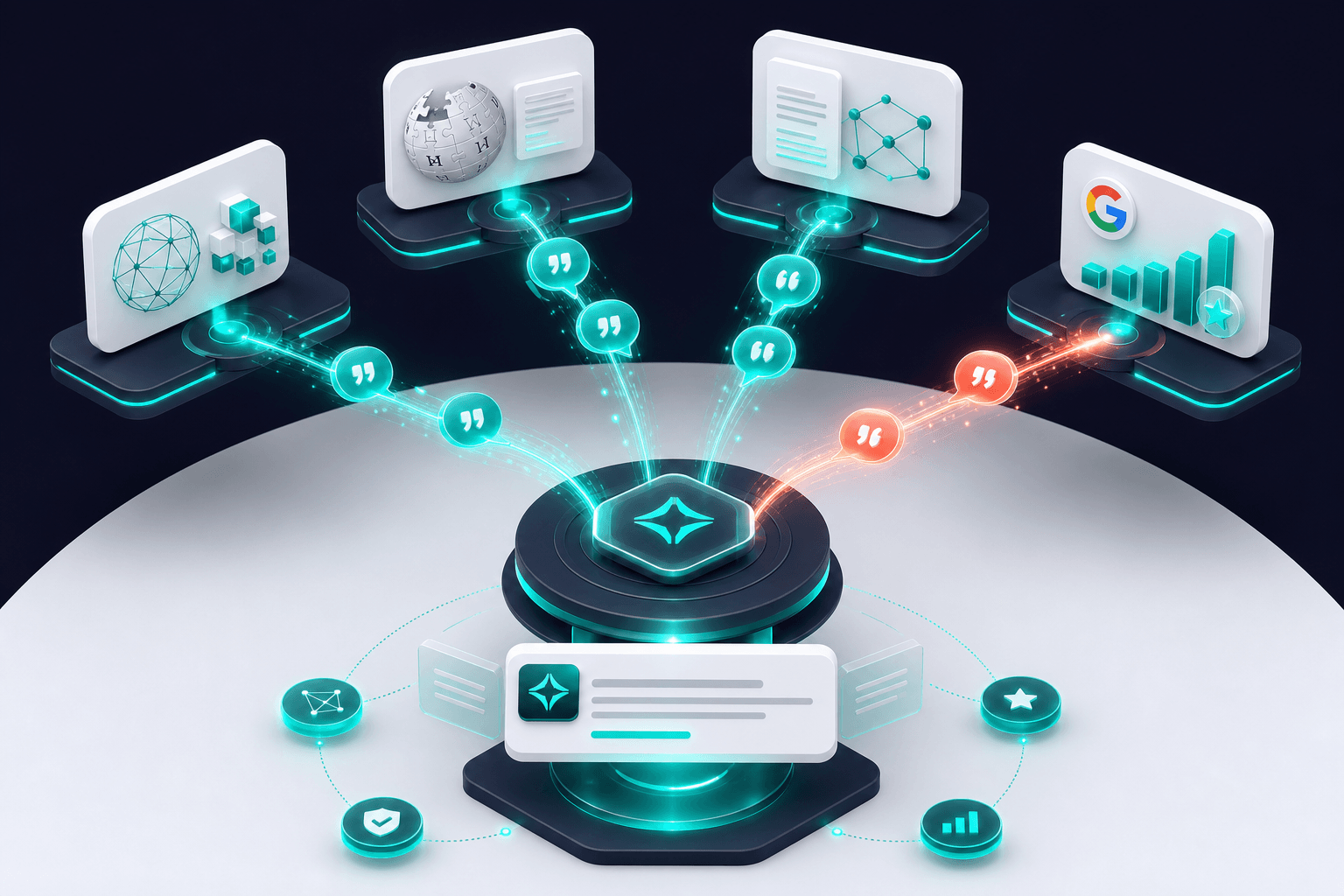
Distinct citation preferences across AI platforms create targeted opportunities for structured, authoritative content.
Schema as an AI Trust Signal
Structured data moved beyond rich result displays. AI systems now read schema to verify claims, connect entities, and judge source credibility during answer building.
FAQ schema, HowTo schema, and Article schema with clear author and date fields help engines understand and trust the content. JSON-LD remains the preferred format for clean parsing.
Implementation stays straightforward. Add the markup to key pages, keep it accurate, and update it when facts change. Engines treat consistent structured information as a reliability marker.
Content Formats That Earn Citations
Start every relevant page with a concise summary that answers the main question. AI models reuse these opening statements when they fit a user prompt.
Use explicit question headings followed by direct answers. Break complex topics into short, self-contained chunks rather than one long narrative.
Include extractable proof such as simple tables, short lists, statistics with sources, and step-by-step processes. These elements increase the likelihood of direct quotation or reference.
Update older content with fresh examples and dates. Recency signals help on platforms that retrieve live data.
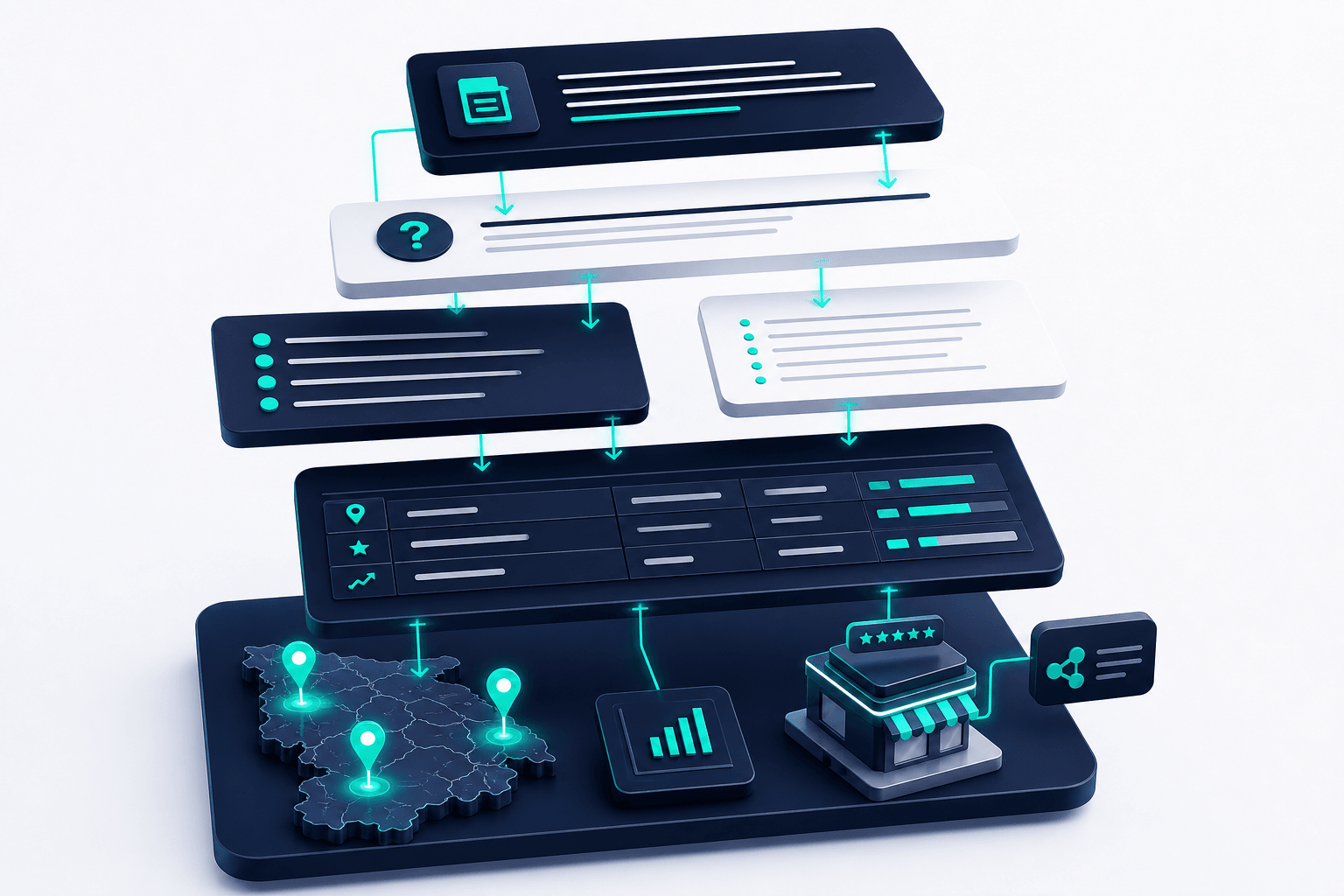
Answer-first sections and extractable elements increase the chance of being cited in AI responses.
Measurement and Goals That Shift
Track more than rankings and sessions. Monitor citation rates, brand mentions inside AI answers, and referral traffic from AI platforms in your analytics.
Share of voice across ChatGPT, Perplexity, and Gemini gives a clearer picture of visibility than position alone. Tools that scan for these mentions help quantify progress.
Conversion quality often improves when traffic arrives through AI answers. Users arrive further along in their decision process because the engine already filtered options.
Building a Practical Dual Approach
Keep core SEO work running while layering AI-specific tactics. Strong technical foundation and authoritative content serve both channels.
Audit current visibility first. Run typical customer questions through the major AI tools and note which sources appear. Then strengthen the gaps with better structure and off-site presence.
Test changes on a handful of pages. Measure citation lift over 30 to 60 days. Adjust based on what each platform responds to rather than generic advice.
Perplexity and similar tools cite only a few sources per answer. Earning one clear, accurate citation often beats broad but shallow rankings.
Key Takeaways
- Audit your current mentions in ChatGPT, Perplexity, Claude, and Gemini using real customer questions.
- Restructure key pages with an answer-first summary and short, standalone sections.
- Add accurate FAQ and HowTo schema to high-value pages using JSON-LD.
- Strengthen presence on Reddit, YouTube, and relevant directories where AI engines pull data.
- Track citations and AI referral traffic alongside traditional rankings and sessions.
FAQ
Does traditional SEO still matter if people use AI search more?
Yes. Google remains the largest source of discovery for most businesses. The fundamentals that improved rankings continue to support visibility in AI answers because the underlying signals overlap heavily.
How long does it take to see results from AI search optimization?
Many sites notice citation improvements within 30 to 60 days after structural and content updates. Traditional ranking gains usually take longer, so a combined effort delivers both quick wins and sustained traffic.
Should I stop writing for keywords entirely?
No. Keyword research still identifies what people ask. Shift the focus to answering those questions directly and completely so both Google and AI engines can use the content.
What is the single highest-impact change most businesses can make?
Lead with clear, direct answers and add structured data. These two steps make existing content far more extractable and trustworthy for AI platforms without requiring a full site rebuild.
Related on L3ad Solutions
Or start with a free AI visibility check
Does AI Recommend You?
See if ChatGPT, Gemini, Grok, and Claude name your business. Free, emailed in minutes.