


AI Search for Local Businesses: How to Win Citations
Local businesses face new rules in AI search. Learn how ChatGPT, Perplexity, and others handle local intent queries and the exact steps to earn citations in 2026 answers.
Updated July 22, 2026 · 9 min read
Table of Contents
TL;DR: AI engines now answer many local queries directly. They cite official sites, reviews, and structured data more often than general content. Local businesses that publish clear service details, match real customer questions, and keep listings accurate appear in more answers. The gap is wide right now because most competitors still treat this like standard SEO.
Small and mid-size business owners keep hearing that search is changing. What they feel is different. Instead of a list of ten blue links, customers now type or speak questions like best plumber near me or who fixes HVAC in my town and get a direct paragraph with one or two names attached. That paragraph comes from an AI model that pulled facts from somewhere.
How AI Engines Handle Local Queries Today
Recent analysis of millions of citations shows clear patterns. Gemini pulls heavily from Google-indexed official sites. ChatGPT uses its own retrieval layer and varies by industry. Claude surfaces user reviews and forum posts at higher rates than the others. For a local query such as best auto repair in Austin the model checks location signals first, then looks for verified business information that matches the intent.
Local intent triggers different behavior than broad questions. The engine wants proximity, current hours, specific services offered, and proof that real customers chose the business. When those signals sit in clean structured data or on the business website itself, citation rates rise. When the information lives only in scattered reviews or an outdated directory, the model often skips it or picks a competitor that made the facts easier to read.
One dataset from early 2026 tracked hospitality and service categories. Official hotel and restaurant sites appeared twice as often in Gemini answers as in other models. The same study found Claude citing user-generated content up to ten times more in food and beverage results. Local owners who ignore these differences leave citations on the table.
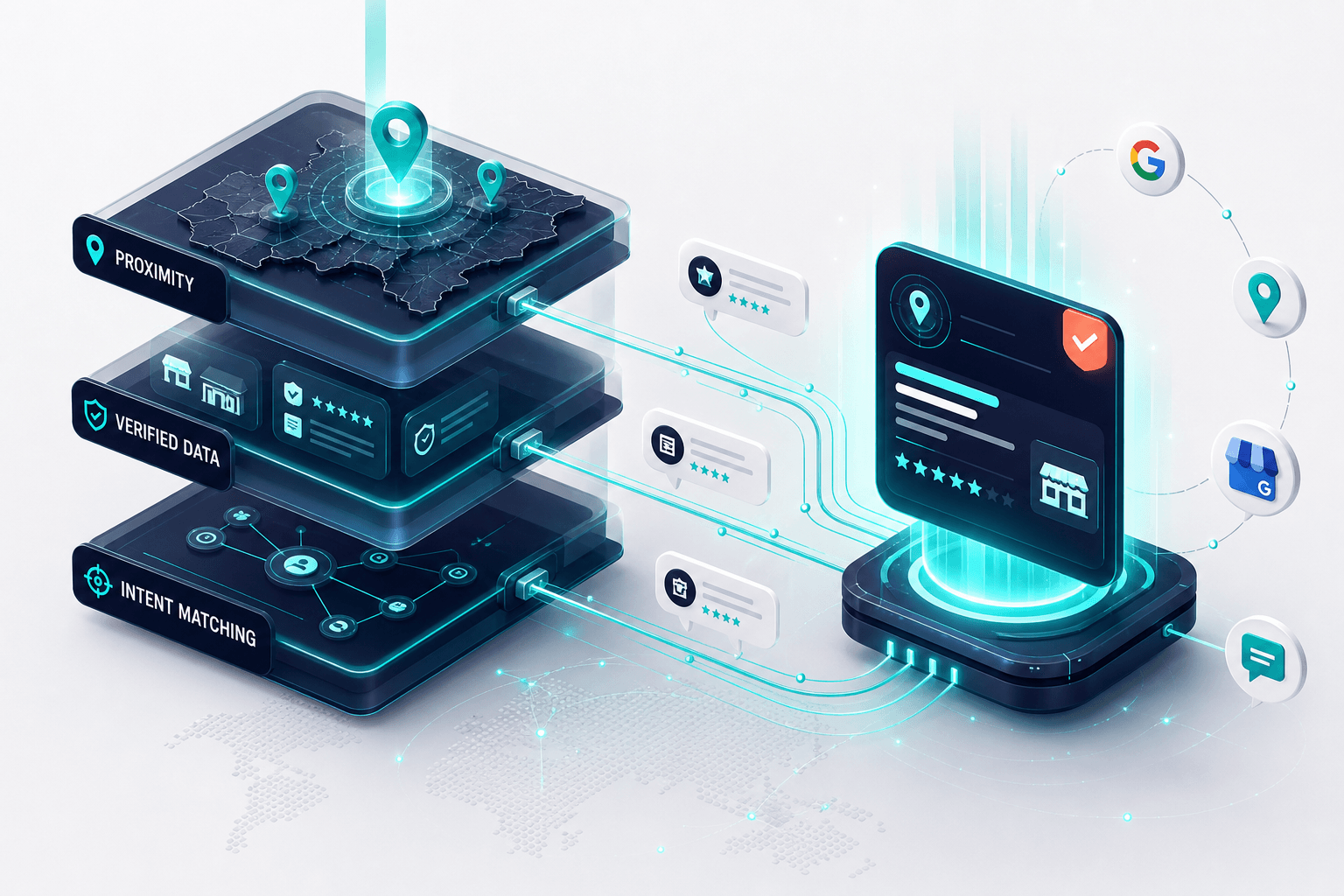
AI engines prioritize verified local signals like proximity, hours, and service details when answering queries.
What Gets Cited in Local AI Answers
Citations favor first-party sources that answer the exact question. A page titled HVAC Repair in Denver that lists every service, typical response times, and customer outcomes earns more pulls than a generic about page. The model can quote the specific sentence that matches the user prompt.
Reviews matter, but they work best when the business also publishes its own clear answers. Google reviews feed several engines directly. When a review says fast same-day service and the website repeats the same phrase in a service description, the AI sees confirmation from two places and cites both.
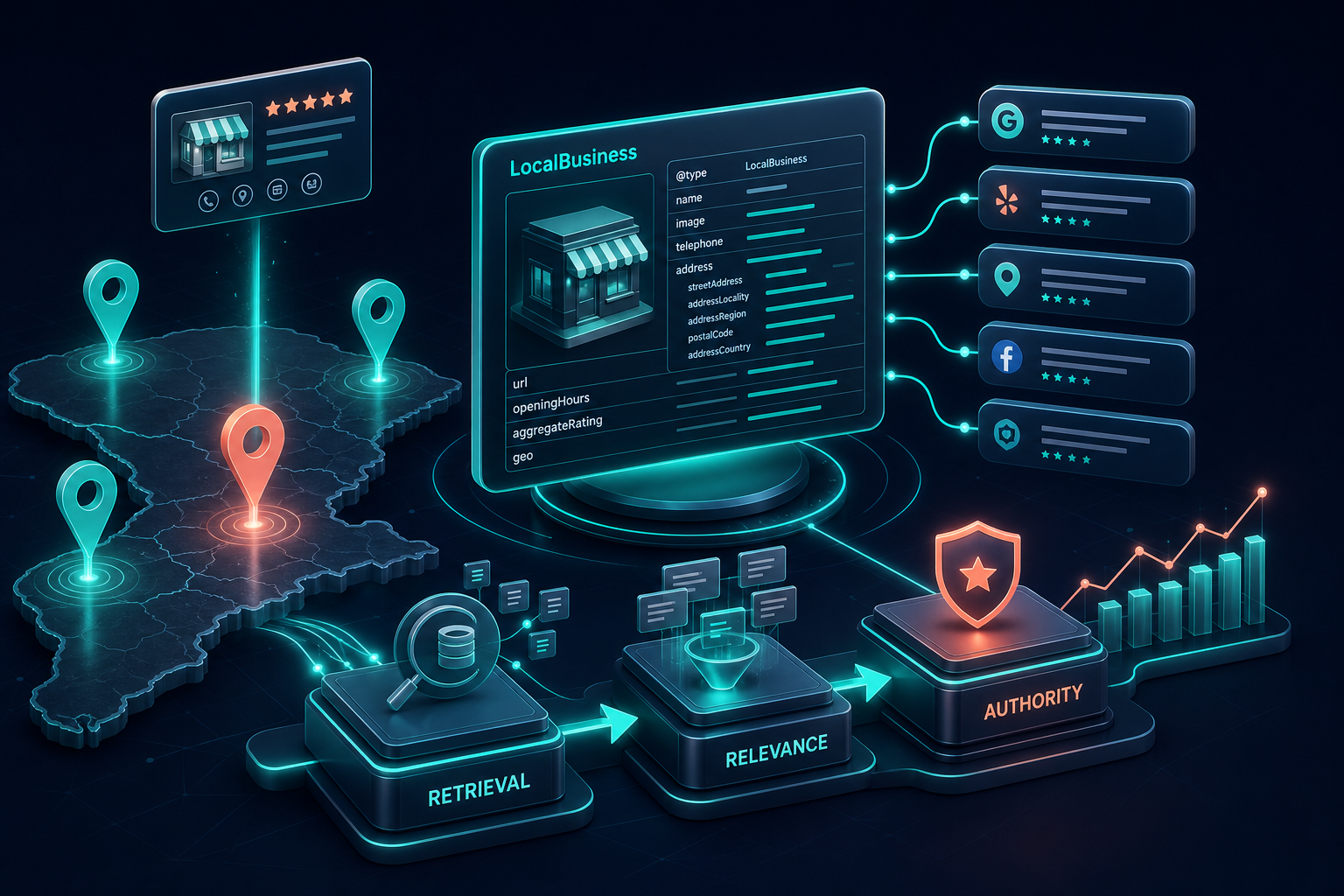
Structured data helps machines understand what the page contains. LocalBusiness schema plus Service schema tell the model this business offers furnace tune-ups within a 20-mile radius. No new special schema types appeared in 2026 for AI features. The existing ones still reduce ambiguity and raise the chance of citation.
Build Pages That Match Real Local Questions
Start with the questions customers actually type into AI tools. Pull the top ten from your own chat logs or from testing ChatGPT and Perplexity directly. Common ones include same-day service near me, emergency repair cost in this zip code, and certified technicians for this brand.
Write a dedicated section or page that opens with the question as a heading, then gives the direct answer in one or two sentences followed by supporting details. Use short paragraphs and bullet lists of exact services. End with a clear next step such as call or book online.
Test the page by asking the same question to the major AI engines. Note whether your business name appears and what text the model pulled. Adjust the wording until the answer matches what you want quoted. Repeat for every major service line.
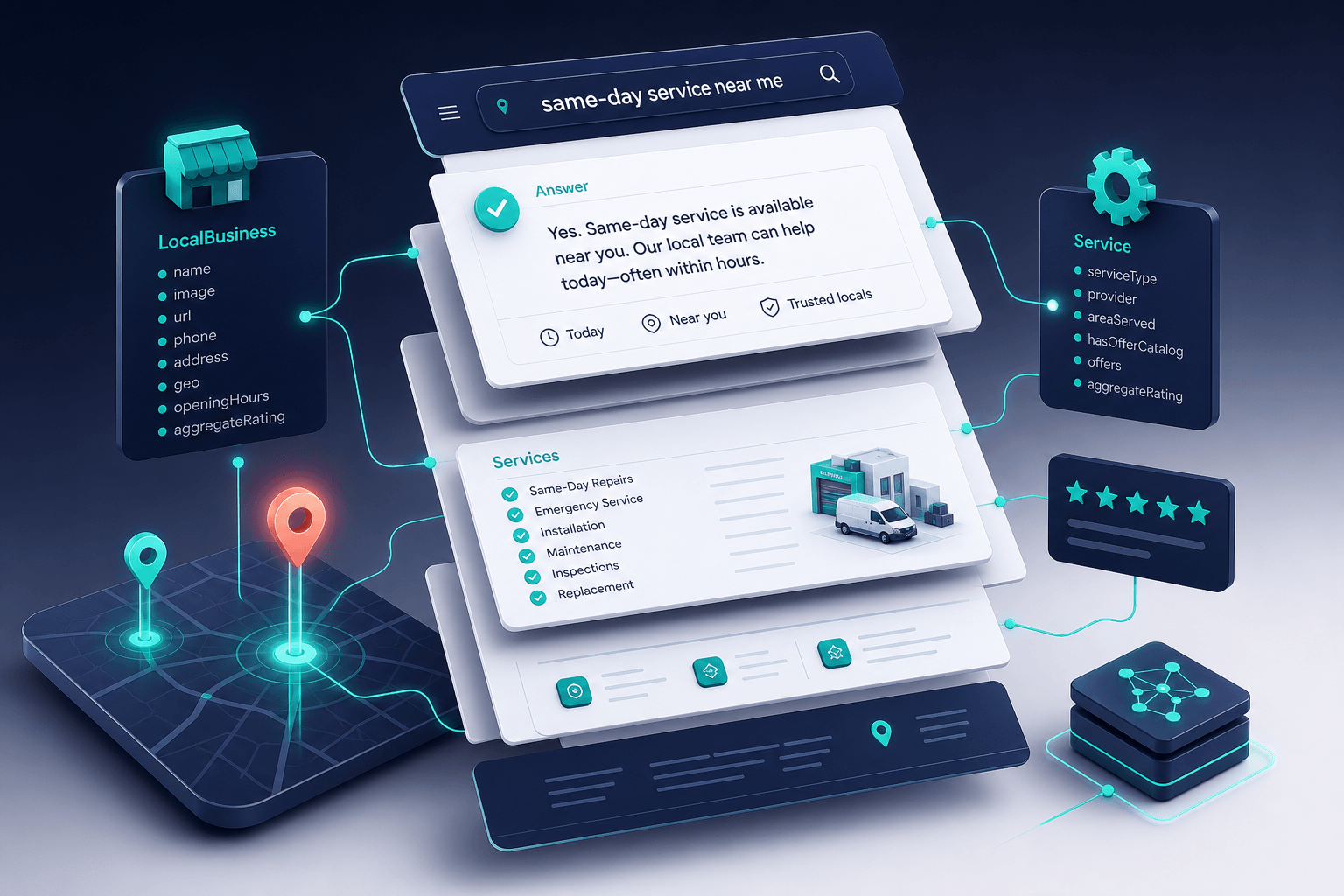
Question-led service pages with direct answers and structured data earn more AI citations.
Keep Listings and Reviews Consistent
AI models cross-check multiple sources. When the phone number, address, and hours differ between your website, Google Business Profile, and review sites, the model either ignores the listing or chooses a cleaner competitor. Run a monthly audit of every directory that surfaces in local results.
Encourage recent reviews that mention specific services. A review that says they fixed the boiler in two hours on a Saturday gives the model a concrete data point it can cite. Reply to every review so the thread stays active and visible.
Add the same service details to your Google Business Profile description and posts. The profile often ranks higher in local retrieval than a standalone website page.
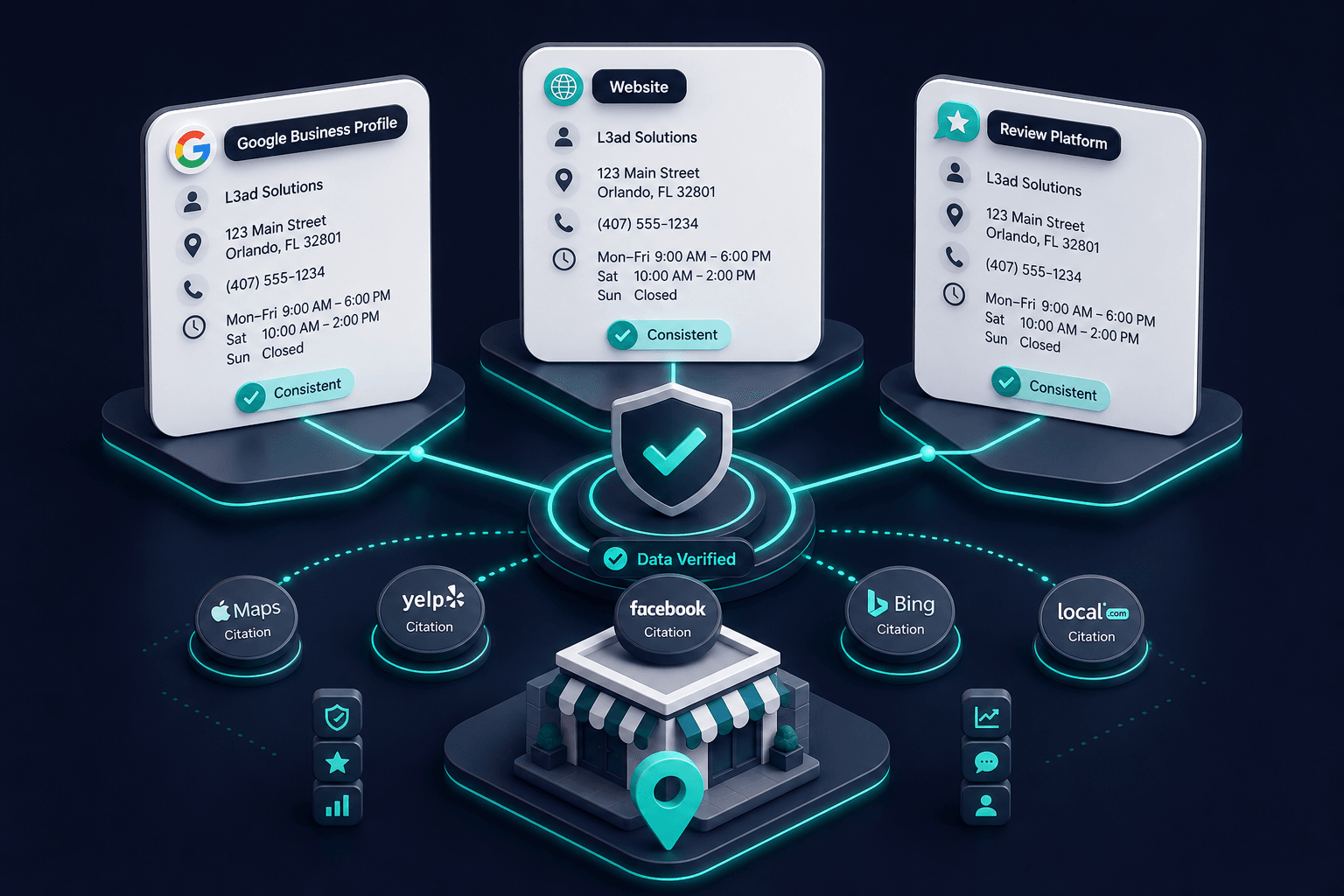
Consistent NAP data across directories helps AI models cite your business with confidence.
Measure What Actually Moves Citations
Traditional rank trackers miss AI visibility. Run manual tests on ten target queries across ChatGPT, Perplexity, Gemini, and Claude every two weeks. Record whether your business appears, the exact text cited, and the source link provided.
Track mentions of your name or services in AI answers over time. Look for patterns such as higher citation rates on service pages versus the homepage. Adjust content where gaps appear.
Local businesses that started this process in late 2025 reported first citations within 30 days after adding question-led sections and consistent schema. The window stays open because most competitors have not begun systematic testing.
Common Mistakes That Block Local Citations
Many owners copy national brand copy or use vague service lists. The model needs city-specific signals and concrete outcomes. Replace broad claims with numbers such as average response time of 45 minutes in your zip codes.
Another frequent issue is burying answers inside long paragraphs. AI engines favor concise, scannable text that matches spoken or typed questions. Break content into short blocks with clear headings.
Ignoring mobile experience also hurts. Many local queries happen on phones. Slow pages or hard-to-read text reduce the chance the model selects that page as a source.
Most GEO work still targets national brands. A small business that publishes precise local answers can outrank larger competitors on city-specific prompts right now.
- Test your top local questions directly in ChatGPT, Perplexity, and Gemini every two weeks.
- Create one dedicated page per major service that opens with the exact customer question and gives a short direct answer.
- Add LocalBusiness and Service schema to every relevant page and keep the data current.
- Maintain identical name, address, phone, and hours across your site and all major directories.
- Reply to every review and publish your own service details that match what customers say in reviews.
FAQ
Do I need new schema types for AI search in 2026?
No. Existing schema.org types such as LocalBusiness, Service, and FAQPage continue to help models parse content. Google has stated that special AI-only markup is not required.
How long until I see citations after making changes?
Some businesses report first citations within 30 days when they add question-led sections and consistent data. Results vary by industry and how many competitors already publish clear local content.
Should I focus more on Google reviews or my own website content?
Both matter. Reviews supply user signals that models like Claude pull heavily. Your website supplies the first-party facts that Gemini and ChatGPT favor when they match the exact query.
What if my business serves multiple nearby cities?
Create separate service pages or sections for each primary city with location-specific details such as response times and local examples. This gives the model clear signals for each area query.
Related on L3ad Solutions
Or start with a free AI visibility check
Does AI Recommend You?
See if ChatGPT, Gemini, Grok, and Claude name your business. Free report by email.