


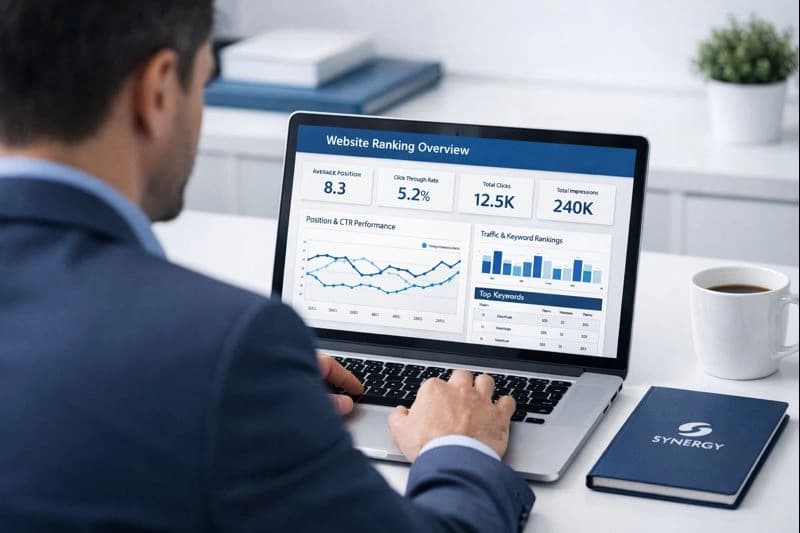
Why Is My Website Not Ranking? 7 Reasons & Fixes
Seven reasons your website isn't ranking on Google and how to fix each: technical issues, thin content, poor mobile experience, and the ones nobody mentions.
Updated January 28, 2026 · 12 min read
Table of Contents
References
Many business owners ask the same question: "Why is my website not ranking?" Despite real marketing effort, their pages aren't showing up in search results. Potential customers can't find them.
TL;DR: Most websites don't rank because of fixable problems: slow load times, thin content, weak backlinks, poor mobile design, missing schema markup, inconsistent business info, or bad user experience. Florida businesses on the Space Coast lose leads every day to these issues. This guide walks through all seven reasons and shows you how to fix each one.
Why does this happen? Here are the top 7 reasons your site isn't showing up and how to fix each one.
The factors that decide it include:
- Mobile optimization
- Content quality
- Backlink profiles
- Local SEO strategies
Understanding these issues will help you turn marketing investments into real results.
• Technical SEO issues like slow loading speeds or mobile-unfriendly design. • Poor content quality with thin or duplicated material. • Inconsistent business information affecting local SEO. • Neglecting customer reviews and online reputation. • Lack of schema markup to help search engines understand content. • Weak backlink profile reducing site authority. • Poor user experience due to design and navigation issues.
What Are the Most Common Technical SEO Problems Affecting Website Rankings?
The most common technical SEO problems affecting website rankings include:
- Slow or mobile-unfriendly websites: Websites that do not load quickly or are not optimized for mobile devices can lead to high bounce rates and lost visitors.
- Thin or duplicated content: Search engines prioritize unique, high-quality content. Thin or duplicated content can hinder your site's ability to rank well.
- Inconsistent business information: Discrepancies in business information across platforms can confuse search engines and users, negatively impacting local SEO.
- Ignoring customer reviews: Customer reviews are essential for building trust and credibility. Neglecting them can affect your online reputation and visibility.
- Schema markup and structured data issues: Properly implemented schema markup helps search engines understand your content better, enhancing visibility in search results.
A slow or mobile-unfriendly website can drastically increase bounce rates, directly hurting your search rankings.
How Do Site Structure and Crawlability Impact Your Website's Search Visibility?
Site structure and crawlability directly affect how search engines index and rank your site. Clear navigation helps search engines understand each page's content. This makes crawling and indexing more effective.
Better structure leads to improved rankings, especially for local searches. Optimized landing pages and accurate business info matter most here. Structured data also helps search engines understand your business details, which is key for local SEO success.
Why Is Website Speed Critical for SEO and User Experience?
Website speed is critical for SEO and user experience because a fast site reduces bounce rates and supports conversions. Aim for load times under 3 seconds to keep visitors engaged and satisfied.
A well-performing website also improves visibility in search results, which matters for attracting local customers. Better speed means better user experience and higher search engine rankings.
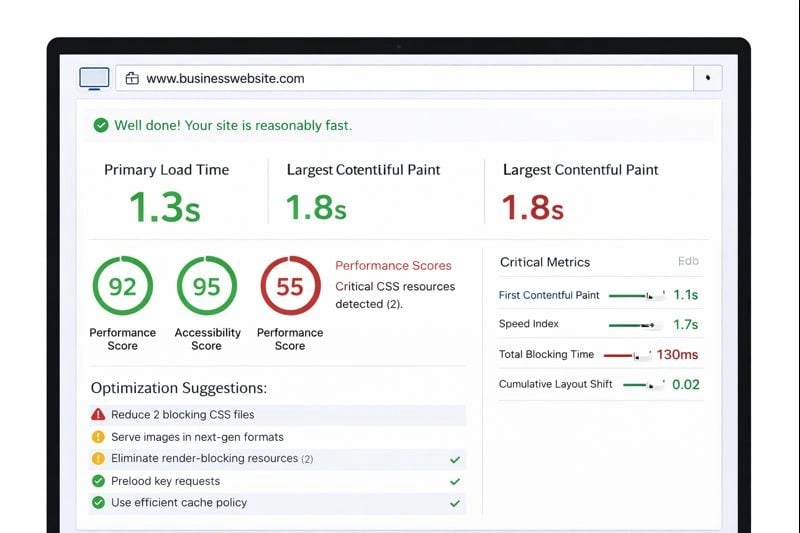
Website speed is crucial for retaining visitors and improving search rankings.
How Does Content Quality Influence Your Website's Ranking Performance?
Content quality directly affects how well your website ranks. Your landing pages need to be clear, informative, and optimized for local searches. Good content converts visitors into leads through strong descriptions, detailed service info, and clear calls-to-action.
Using local terms and structured data improves your visibility. That means customers are more likely to find you when searching for services in your area. Good content drives traffic, improves conversions, and boosts rankings.
Our SEO experts help businesses improve content for better search visibility. L3ad Solutions works with Space Coast business owners to make sure your website attracts visitors and turns them into leads.
- High-quality content converts visitors into leads with clear descriptions and calls-to-action.
- Local terms and structured data improve visibility in search results.
- Regular updates and customer engagement enhance overall ranking performance.
What Are Common SEO Mistakes in Content Optimization?
- Keyword stuffing that harms readability: Overusing keywords can make content difficult to read and may lead to penalties from search engines.
- Thin or duplicated content: Content that lacks depth or is duplicated across pages can negatively impact rankings.
- Ignoring customer reviews: Failing to engage with customer feedback can diminish trust and credibility.
- Inconsistent business information: Discrepancies in business details can confuse search engines and users alike.
- Slow or mobile-unfriendly websites: These factors can lead to poor user experiences and lower search rankings.
How Can You Improve Content Relevance to Boost Search Rankings?
- Use AI for keyword research to identify trending local terms.
- Generate content that answers real customer questions clearly and matches genuine search intent.
- Optimize landing pages for local searches by incorporating relevant local terms in meta descriptions, title tags, and throughout the content.
- Ensure blog posts and service pages are simple, focused on one topic, and sound human rather than robotic.
- Regularly update your Google Business Profile with accurate information and respond to customer reviews to enhance visibility.
- Apply on-page SEO fundamentals: optimize title tags, meta descriptions, headers, and internal links for each page.
AI tools can also help with keyword research, content creation, and link building.
How Can AI Tools Improve Your SEO Content and Link Building?
AI-powered SEO tools can speed up keyword research, content creation, and link building. Research shows that businesses using AI for SEO find high-volume keywords faster and produce optimized content more consistently 1. For Brevard County businesses, this means spending less time guessing and more time reaching local customers.
Why Is Backlink Profile and Authority Essential for Overcoming Low Website Traffic?
High-quality backlinks from trusted sources signal credibility to search engines. This improves your rankings and drives more traffic. A strong backlink profile helps businesses stand out in competitive markets. It's a key part of local SEO for attracting quality leads and boosting visibility.
How Do Backlinks Affect Your Website's Authority and Ranking?
Backlinks affect your website's authority and ranking by signaling credibility to search engines. High-quality backlinks from trusted sources, such as local directories and industry associations, improve your rankings and drive traffic. This is particularly important for local SEO, as it helps businesses stand out in search results. A systematic approach to link building, enhanced by AI tools that analyze competitors and identify opportunities, is essential for long-term SEO success.
What Strategies Can Enhance Your Backlink Profile Effectively?
- Optimize Your Google Business Profile: Ensure all business information is complete, accurate, and regularly updated to improve local search visibility.
- Build High-Quality Local Citations: List your business on trusted directories like Yelp and Bing to boost credibility with search engines and potential customers.
- Use Location-Specific Keywords: Incorporate relevant local terms in your website content, meta descriptions, and title tags to improve search engine understanding of your service area.
- Manage Online Reviews: Actively respond to customer reviews to build trust and encourage more leads.
- Use AI-Powered SEO Tools: Use advanced tools to analyze data, identify areas for improvement, and optimize your online presence.
Optimize Google Business Profile
Keep information accurate and updated for better local visibility.
Secure Local Citations
List your business on trusted directories to boost credibility.
Apply AI Tools
Use advanced tools to identify link-building opportunities.
In What Ways Does User Experience and Website Design Impact SEO Results?
User experience and website design impact SEO results in several ways:
- Local SEO Optimization: A well-optimized website enhances visibility in local search results, making it easier for potential customers to find accurate business information, which improves trust and credibility.
- Landing Pages: Effective landing pages that are clear and conversion-focused can significantly increase conversion rates, with optimized pages potentially boosting conversions by up to 40%.
- User Behavior Adaptation: Adaptive web design allows websites to change based on user behavior, maximizing conversions by presenting relevant information or calls to action based on the user's context (e.g., mobile users needing immediate assistance).
- Google Business Profile: A well-maintained Google Business Profile, which includes accurate information and high-quality visuals, is crucial for local SEO and can drive more traffic and customer engagement.
- Responsive Design: Ensuring that the website is mobile-friendly and responsive can improve user experience, leading to lower bounce rates and higher engagement, which are favorable for SEO.
Good UX and smart design don't just make customers happier. They directly improve your SEO performance.
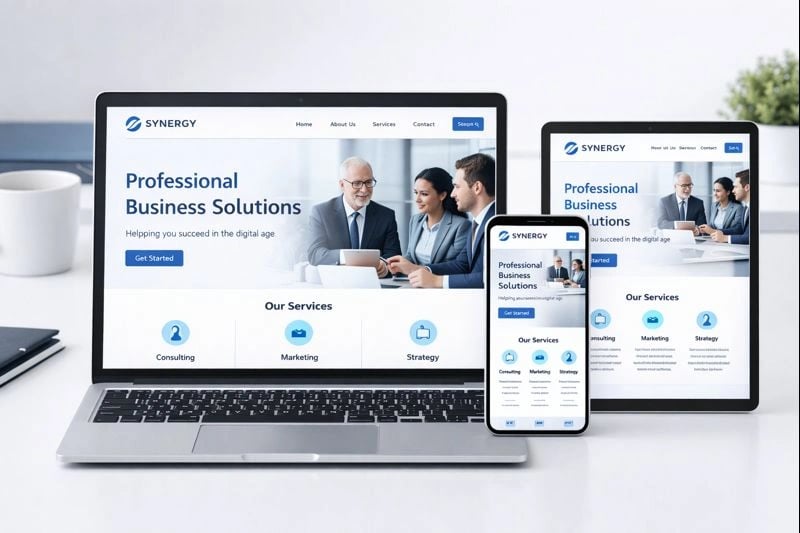
Effective UX design ensures your website performs well across all devices, boosting SEO.
Does Website Design Affect SEO and User Engagement?
Yes, website design affects SEO and user engagement. A well-crafted landing page can convert potential customers and improve visibility in local search results. Optimizing for user intent and adapting the website based on user behavior can maximize conversions, indicating that design plays a crucial role in both SEO and user engagement.
How Can Improving UX Resolve Common SEO Problems for Business Websites?
Improving user experience (UX) resolves common SEO problems by enhancing landing pages, which are crucial for conversion. A well-designed landing page with clear descriptions, service offerings, and strong calls-to-action leads to higher conversion rates.
Optimizing landing pages for local searches using relevant terms and structured data also helps improve visibility. By tracking performance metrics, businesses can refine their strategies for better engagement, more traffic, and more leads. A focus on UX directly contributes to improved SEO outcomes.
How Can Local SEO and Visibility Help Address Website Ranking Issues?
If you're wondering why your website isn't ranking, local SEO can help by optimizing your online presence for the searches that matter most. Working with a Florida digital marketing agency can speed up your results, or you can follow our complete local SEO guide to start fixing issues yourself.
Start by ensuring your business information (hours, contact details, address) is accurate and up-to-date. This builds both visibility and customer trust. Tools like Google Business Profile and Google Maps help potential customers find you when searching for nearby services.
Maintaining high-quality content, responding to reviews, and using AI-powered SEO tools further strengthen local search efforts. These steps drive more targeted traffic and improve overall website rankings.
Local SEO isn't optional anymore. It's one of the most reliable ways to bring in organic traffic and stay visible to customers in your area.
Regularly updating your Google Business Profile with accurate details can significantly boost your local search visibility.
Why Does Local SEO Matter for Business Visibility and Organic Traffic?
Local SEO helps your business show up when nearby customers search for your services. Research confirms that local search optimization increases organic traffic and gives you an edge over competitors who aren’t optimizing 2. For Space Coast businesses, this is especially important since 46% of all Google searches have local intent.
What Are Key Local SEO Ranking Factors for Business Websites?
- Google Business Profile Optimization: Claiming and verifying your profile, adding accurate business information, uploading high-quality photos, responding to reviews, and posting regular updates.
- Accurate Business Information: Ensuring that your business hours, address, phone number, and service area are correct and up-to-date.
- Customer Reviews: Encouraging and responding to positive customer reviews to build trust and improve local credibility.
- Local Relevance: Creating high-quality, locally relevant content and listing your business in trusted local directories.
- Proximity, Relevance, and Prominence: Understanding how these factors influence local search results and optimizing accordingly.
- Use of Google Maps: Using Google Maps for visibility, as businesses that appear at the top are more likely to receive calls.
- AI-Powered Tools: Using AI SEO tools to automate tasks, track progress, and identify optimization opportunities.
Specifically, an active and updated Google Business Profile is paramount for local businesses to connect with clients and significantly boost their visibility in local search results and on Google Maps.
How Does Google Business Profile Drive Local Search Success?
Your Google Business Profile is one of the strongest tools for showing up in local search results. Studies show that an active, updated profile with accurate hours, contact info, photos, and reviews directly affects whether customers choose your business 3. For a Titusville plumber or a Melbourne restaurant, keeping your GBP current can be the difference between getting the call or losing it to a competitor.
How Does Local SEO Complement Overall Digital Marketing Efforts?
Local SEO complements overall digital marketing efforts by boosting your visibility within your local community. It helps attract quality leads organically, reducing reliance on paid advertising.
By optimizing elements like your Google Business Profile and creating locally relevant content, you build trust, improve credibility, and drive more foot traffic. AI-powered local SEO tools can automate tasks, track progress, and identify new opportunities so you can respond quickly to leads.
This approach ensures a steady flow of leads and supports long-term growth, making local SEO a vital part of a complete digital marketing strategy.
What Role Do SEO Audits and Monitoring Play in Fixing Ranking Problems?
SEO audits and monitoring uncover hidden issues that hurt your visibility. They show you exactly what to fix so you can improve your online presence.
AI-powered SEO tools let you track key metrics and monitor competitor movements. Regular monitoring helps you adapt to search behavior changes and stay ahead. This leads to better rankings and more traffic.
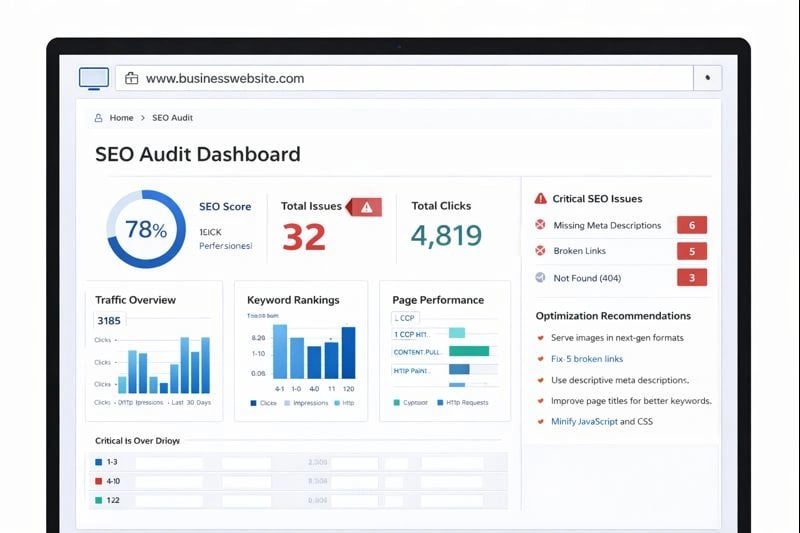
Regular SEO audits help uncover hidden issues affecting your website's ranking.
How to Conduct a Technical SEO Audit to Identify Ranking Barriers?
- Check Website Structure: Ensure your website has a clear hierarchy and is easy to use. Use tools to analyze the site structure and identify any issues.
- Implement Schema Markup: Use structured data to help search engines understand your content better. Automate this process with AI tools if possible.
- Optimize for Mobile: Since a significant portion of traffic comes from mobile devices, ensure your site is mobile-friendly and loads quickly.
- Analyze Page Speed: Use tools to check the loading speed of your pages. Slow pages can negatively impact rankings.
- Review Meta Tags: Ensure that title tags and meta descriptions are optimized with relevant keywords and accurately describe the content.
- Check for Broken Links: Identify and fix any broken links on your site, as they can harm user experience and SEO.
- Monitor Site Performance: Use SEO tools to track metrics like conversion rates, bounce rates, and lead sources to identify areas for improvement.
- Audit Content Quality: Ensure that your content answers customer questions clearly and matches genuine customer intent.
- Manage Online Reviews: Actively respond to reviews to build trust and improve your online reputation.
Which Metrics Should You Monitor to Track SEO Improvements?
- Local search rankings: Track your position in local search results to gauge visibility.
- Website traffic: Analyze the volume of visitors to your site to assess overall performance.
- Calls and form submissions: Measure the number of leads generated through your website.
- Review response times: Monitor how quickly you respond to customer reviews to maintain engagement.
- Competitor movements: Keep an eye on competitor rankings and strategies to stay competitive.
Frequently Asked Questions
How long does it take to fix website ranking issues?
Most technical fixes (speed, mobile optimization, broken links) can show results within 2 to 6 weeks after Google recrawls your site. Content and backlink improvements typically take 3 to 6 months to fully impact rankings. Consistency matters more than speed.
Why isn't my website ranking even though I have good content?
Good content alone isn't enough. You also need strong technical SEO, quality backlinks, proper schema markup, and fast load times. If your site takes more than 3 seconds to load or isn't mobile-friendly, even great content won't rank well.
Do I need to hire an SEO expert, or can I fix ranking issues myself?
You can handle many basics yourself: improving page speed, updating your Google Business Profile, and fixing broken links. But technical audits, backlink strategy, and schema markup often benefit from professional help. Many Brevard County businesses start with DIY fixes and bring in experts for bigger issues.
How important is mobile optimization for SEO rankings?
It's critical. Google uses mobile-first indexing, meaning it primarily looks at your mobile site when deciding rankings. Over 60% of searches happen on mobile devices. If your site isn't mobile-friendly, you're losing both rankings and customers.
What's the fastest way to improve my local search rankings in Florida?
Start with your Google Business Profile. Make sure your name, address, phone number, and hours are accurate. Add photos, respond to reviews, and post updates regularly. For Space Coast businesses, including location-specific keywords like "Titusville," "Melbourne," or "Brevard County" in your content also helps.
How often should I run an SEO audit on my website?
Run a full SEO audit at least once per quarter. Monitor key metrics (traffic, rankings, bounce rate) monthly. Search engines update their algorithms regularly, so what worked six months ago might need adjusting today.
Or start with a free AI visibility check
Does AI Recommend You?
See if ChatGPT, Gemini, Grok, and Claude name your business. Free report by email.